




Deconstructing the Advanced Move
The exercise that has everyone talking is a dynamic variation of a hanging leg raise. In a video shared by her trainer, Kriti is seen hanging from an overhead bar while rapidly kicking a stability ball held in front of her. This movement, described by experts
as an advanced hanging flutter-kick variation, requires more than just abdominal strength. To perform it correctly, an individual needs exceptional grip strength to support their body weight, stable shoulders, a highly engaged core to prevent swinging, and coordinated hip flexors to drive the leg movement. The stability ball adds an extra layer of difficulty, demanding precise timing and body awareness to strike the target without losing control.
The Power of Instability Training
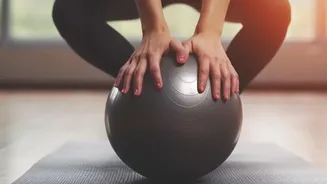
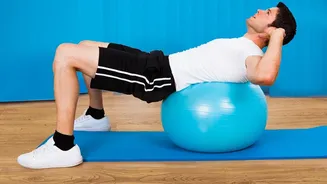
Using a stability ball—also known as a Swiss ball or balance ball—is a popular method for intensifying core workouts. Its unstable surface forces your body to constantly make micro-adjustments to maintain balance. This process activates the deep stabilizing muscles in your abdomen and lower back that are often overlooked in standard floor exercises. When you perform any exercise on a ball, from a simple crunch to a more complex plank, your core has to work much harder to keep your torso steady. This increased muscle activation is the key to building a truly strong and functional core, enhancing everything from posture to overall athletic performance.
Functional Benefits of a Strong Core
The goal of a challenging core exercise like Kriti's isn't just about achieving visible abs. A strong, stable core is fundamental to everyday health and movement. It helps protect your spine, reducing the risk of lower back pain and injury. Good core strength improves your posture, allowing you to stand taller and reducing stress on your neck and back. It also serves as the center of power for most athletic movements, meaning a stronger core can translate to better performance in sports and other physical activities. By strengthening the muscles that stabilize the pelvis and spine, you create a solid foundation for your entire body.
Is This Advanced Move Right for You?
While inspiring, it's crucial to recognize that this is an advanced exercise not suitable for beginners. Attempting such a demanding move without the necessary foundational strength can lead to injury, including strain on the lower back, shoulders, or hip flexors. This particular challenge requires significant existing grip and upper body strength just to hang from the bar correctly, let alone perform rapid leg movements. Control is more important than speed; the real benefit comes from keeping the torso and pelvis stable while the legs are in motion. If you're new to fitness or core training, rushing into this exercise is not recommended. It's a goal to work towards, not a starting point.
Build Your Foundation: Simpler Alternatives
The good news is that you can build the strength required for this move with more accessible exercises. Start with foundational core work like planks, stability ball crunches, and basic floor leg raises to build initial strength. From there, you can progress to hanging knee raises, where you hang from a bar and bring your knees towards your chest. This will help develop both grip strength and lower abdominal control. Another great exercise is the stability ball pull-in, where you start in a plank position with your shins on the ball and pull your knees toward your chest. These exercises will safely and effectively prepare your body for more advanced challenges down the road.