






A Return 144 Years in the Making
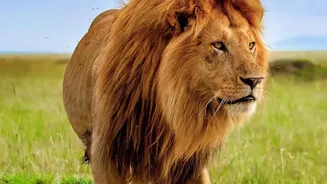
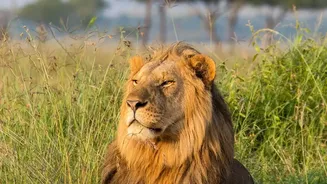
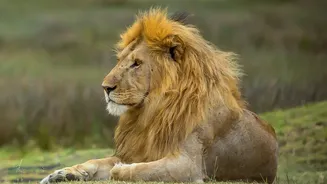
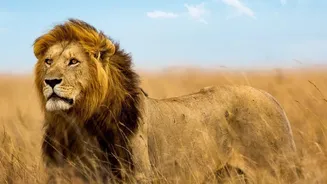
In a moment celebrated by conservationists across India, the roar of the Asiatic lion is once again echoing through the Barda Wildlife Sanctuary. After the last recorded presence in 1879, these magnificent predators are re-establishing a presence in the rugged
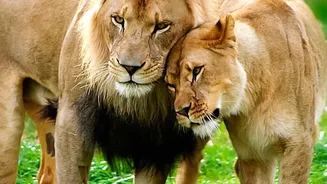
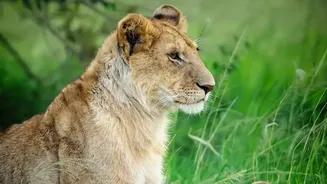
landscape of Saurashtra. The return began in January 2023 with the natural dispersal of a young male lion from the greater Gir region, a journey of over 100 kilometres that signalled Barda's potential. Following this pioneering move, the Gujarat Forest Department augmented this budding population by introducing five females, a strategic step to create a viable breeding group. As of late 2025, these efforts have borne fruit, with the sanctuary now home to a growing population of 17 lions, including six adults and eleven precious cubs, marking a significant milestone for Project Lion.
Why Barda is a Perfect Second Home
The selection of Barda as a second home for lions is no accident; it has been part of a long-term vision. Spread across 192 square kilometres in the Porbandar and Devbhumi Dwarka districts, the sanctuary's terrain of forests, grasslands, and hills provides a suitable habitat. A recent scientific study published in the journal PLOS One confirmed that Barda possesses the ecological conditions and, crucially, an adequate prey base to support a long-term lion population. To ensure the lions thrive, authorities have been actively preparing the sanctuary for years. This includes augmenting the prey population by translocating hundreds of spotted deer (chital) and sambar from Gir, which helps sustain the predators and reduces potential human-animal conflict. Administrative changes, such as restructuring the Porbandar Forest Division, have also been made to enhance patrols and management, ensuring the area is secure for its new inhabitants.
The Critical Need to De-risk
For decades, conservation experts have warned of the immense risk associated with having the world's entire wild population of a species in one location. The concentration of nearly 900 Asiatic lions in the greater Gir landscape, while a testament to successful conservation, also makes them dangerously vulnerable to catastrophic events like disease outbreaks or natural disasters. An epidemic could devastate the population, undoing a century of work. Establishing a geographically separate, second viable population is considered the most crucial step in securing the species' long-term future. The successful establishment of lions in Barda acts as a vital insurance policy. It creates a buffer population that can ensure the survival of the Asiatic lion even if the main Gir population were to face a sudden threat.
A Triumph for Project Lion
This development is a cornerstone achievement for 'Project Lion', a central government initiative launched in 2020 to conserve and manage the country's growing lion population. The project focuses on a landscape-level approach, managing habitats and involving local communities to foster coexistence. The establishment of Barda as a second home was a key proposal within the project's vision document, 'Lion@2047: A vision for Amrutkal'. The successful recolonisation, achieved through a blend of natural dispersal and planned translocation, demonstrates the efficacy of the strategy. To better understand their adaptation, several lions in Barda have been fitted with radio collars, providing invaluable data on their movement, diet, and social behaviour, which will guide future conservation actions.
The Road Ahead
While the return of lions to Barda is a resounding success, the work is far from over. Continuous monitoring is essential to ensure the health of the lions and the stability of the prey base. Eight full-time lion trackers have been deployed to monitor the animals' movements and health. Managing the human-lion interface in the surrounding villages will be critical to maintaining the local support that has been instrumental to this success. The Gujarat Forest Department has strengthened rapid response teams to address any potential conflicts. Furthermore, the government is leveraging this conservation win to create livelihood opportunities for local communities through controlled ecotourism, with safari operations already seeing a significant increase in visitors since starting in 2024. This integrated approach aims to ensure that the lions of Barda not only survive but thrive for generations to come.