



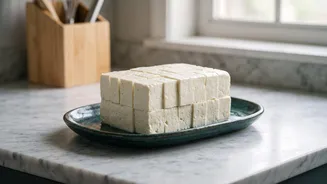


Why Paneer is a High-Risk Food
Unlike aged cheeses, paneer is an unripened, fresh cheese with a high moisture content (often up to 70%) and a nearly neutral pH. These conditions create an ideal breeding ground for harmful bacteria, yeasts, and molds. Studies have shown that bacteria like E.
coli, Salmonella, and Staphylococcus aureus can be found in paneer, often due to poor hygiene during its preparation and handling. These pathogens can multiply rapidly, especially at room temperature, turning a beloved ingredient into a significant health risk. Even if cooked, some bacteria like Staphylococcus aureus can produce heat-stable toxins that are not destroyed by cooking, leading to food poisoning.
The Golden Rule of Refrigeration
Temperature is the single most important factor in keeping paneer safe. It should be refrigerated immediately after purchase or preparation. Storing it at room temperature for even a few hours can lead to a dramatic increase in bacterial counts. The ideal storage temperature is around 4°C. For loose paneer, the best method is to submerge the block in a container of clean water, seal it with a lid, and place it in the fridge. This not only keeps it safe but also prevents it from drying out and hardening. It is crucial to change the water daily to maintain freshness and prevent bacterial growth. Packaged paneer should be refrigerated according to the manufacturer's instructions and consumed promptly after opening.
Clean Preparation is Non-Negotiable
Even with proper refrigeration, your efforts can be undone by poor kitchen hygiene. Cross-contamination is a major risk. Always wash your hands thoroughly with soap and water before and after handling paneer. Use a separate cutting board and knife for paneer than you do for raw meat, poultry, or seafood. If you must use the same board, wash it with hot, soapy water before it touches the paneer. The muslin cloth, equipment, and even the water used during the process can introduce contaminants. Ensuring every surface and tool is clean is a critical step in preventing the transfer of harmful bacteria to the food you are about to eat.
How to Spot Spoiled Paneer
Trust your senses to identify if paneer has gone bad. The first and most reliable sign is its smell. Fresh paneer should have a mild, milky aroma. If it smells sour, yeasty, or unpleasant in any way, it should be discarded. Visually inspect the block for any discolouration, such as yellowing, or the appearance of fuzzy spots, which could be green, black, or pink mold. The texture is another key indicator. Spoiled paneer often feels slimy, sticky, or excessively soft and mushy to the touch. If the packaging of store-bought paneer appears bloated or puffy, it's a sign of gas production by bacteria and should not be consumed. When in doubt, it is always safest to throw it out.