






The Scale of the Stoppage
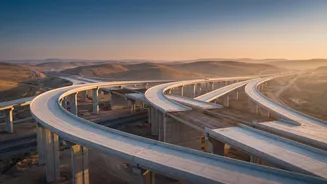
The numbers confirm a significant challenge. According to recent data presented in Parliament, 629 out of 1,191 ongoing National Highway (NH) projects have missed their original completion dates. This means that over 50% of the country's flagship road-building
efforts are currently delayed. The issue is widespread, with states like Maharashtra, Karnataka, and Uttar Pradesh reporting dozens of delayed projects. This isn't just a minor lag; some projects have been delayed by more than three years, turning anticipated arteries of commerce into long-term construction zones.
The Land Acquisition Labyrinth
The most significant and persistent hurdle is land acquisition. Before any construction can begin, the government must acquire land from countless private owners, a process that is often slow and contentious. Disputes over compensation, lengthy legal battles, and difficulties in verifying land titles can stall a project for months or even years. As Union Minister Nitin Gadkari has pointed out, legal disputes and internal conflicts related to land acquisition are primary reasons for delays on major projects like the Mumbai-Goa highway. This initial step in the process often creates a domino effect, pushing back the entire construction timeline.
Navigating the Web of Clearances
Beyond securing land, every project must navigate a dense web of regulatory approvals. Obtaining necessary environmental and forest clearances, especially when a proposed route passes through ecologically sensitive zones, is a major bottleneck. The process involves multiple central and state government departments, each with its own set of rules and timelines. Delays in getting these permissions leave contractors and expensive machinery idle, escalating costs and extending timelines without any physical progress being made on the ground.
Execution and Financial Headaches
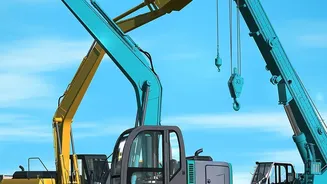
Even with land and permits in hand, challenges on the execution front can bring work to a standstill. Many construction firms face financial difficulties and cash flow problems, hindering their ability to deploy labour and equipment effectively. Furthermore, issues like the rising cost of materials such as steel, cement, and bitumen can strain project budgets and lead to cost overruns of 5-8%. The government has acknowledged issues with execution, with officials noting that over 100 contractors have been penalised or blacklisted in recent years for poor quality work or failing to meet deadlines.
The High Economic Cost of Delays
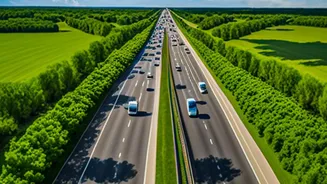
These delays are more than just a matter of missed deadlines; they have a significant economic impact. Delayed highways mean higher logistics costs for businesses, which can affect the price of goods for consumers and reduce the competitiveness of Indian exports. An efficient, modern highway network is fundamental to the government's ambitious Gati Shakti Master Plan and its goal of becoming a $5 trillion economy. Each day a project is delayed is a day that these larger economic benefits are postponed, impacting national growth and frustrating commuters and industries alike.