






What Sparked the Regulatory Action?
The Food Safety and Standards Authority of India (FSSAI) recently initiated enforcement action against CG Foods India following an inspection of its manufacturing facility in Roopangarh, Ajmer, Rajasthan. The regulator's visit was intended to verify the
company's compliance with manufacturing and hygiene standards. However, the inspection revealed several serious violations that prompted immediate regulatory measures. The FSSAI directed the company to halt the production of specific products due to what it termed "unsafe processing, unlicensed bhujia manufacturing, and predated packaging".
At the Heart of the Matter: Floor Noodles and Licensing
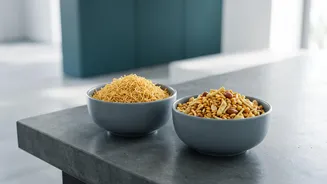
The most alarming finding from the FSSAI inspection was the unhygienic practice of reprocessing broken noodles that had been collected from the factory floor. According to the regulator, this material was being used to produce bhujia, a popular fried Indian snack, without undergoing any heat treatment to ensure safety. Furthermore, the FSSAI found that the company was manufacturing two specific bhujia variants, 'Wai-Wai MaMa' and 'Wai-Wai MaMa Punte', without the required licence, a direct violation of the Food Safety and Standards Act. The inspection also flagged issues with predated packaging and inadequate pest control records.
Which Products Are Directly Affected?
It's important for consumers to know that this action does not constitute a blanket ban on all Wai Wai products. The FSSAI's directive specifically orders CG Foods to stop the production of its 'veg bhujia namkeen' products. While the investigation focused on the two unlicensed bhujia brands, inspectors also collected samples of other products, including 'Wai-Wai Ready to Eat Noodles' and used cooking oil, for laboratory analysis. As part of the action, authorities seized a massive quantity of stock, including over 32,000 kg of materials like loose broken noodles and detained nearly 2,000 boxes of expired finished goods.
A Familiar Story for Noodle Lovers
This incident inevitably brings back memories of the 2015 Maggi noodles controversy, which saw the popular brand temporarily banned across India due to concerns over lead levels and MSG labelling. That episode made consumers acutely aware of food safety issues and the FSSAI's role in regulating the industry. While the current action against CG Foods is different, focusing on hygiene and licensing rather than contaminants, it again highlights the fragility of consumer trust. This latest crackdown is part of a broader push by regulators across India to increase inspections and enforce hygiene standards, with several other major food brands and outlets facing scrutiny in recent weeks.