
The Anatomy of a Sixty-Dollar Loaf
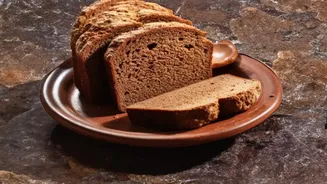
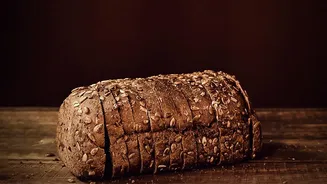
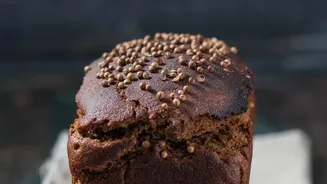
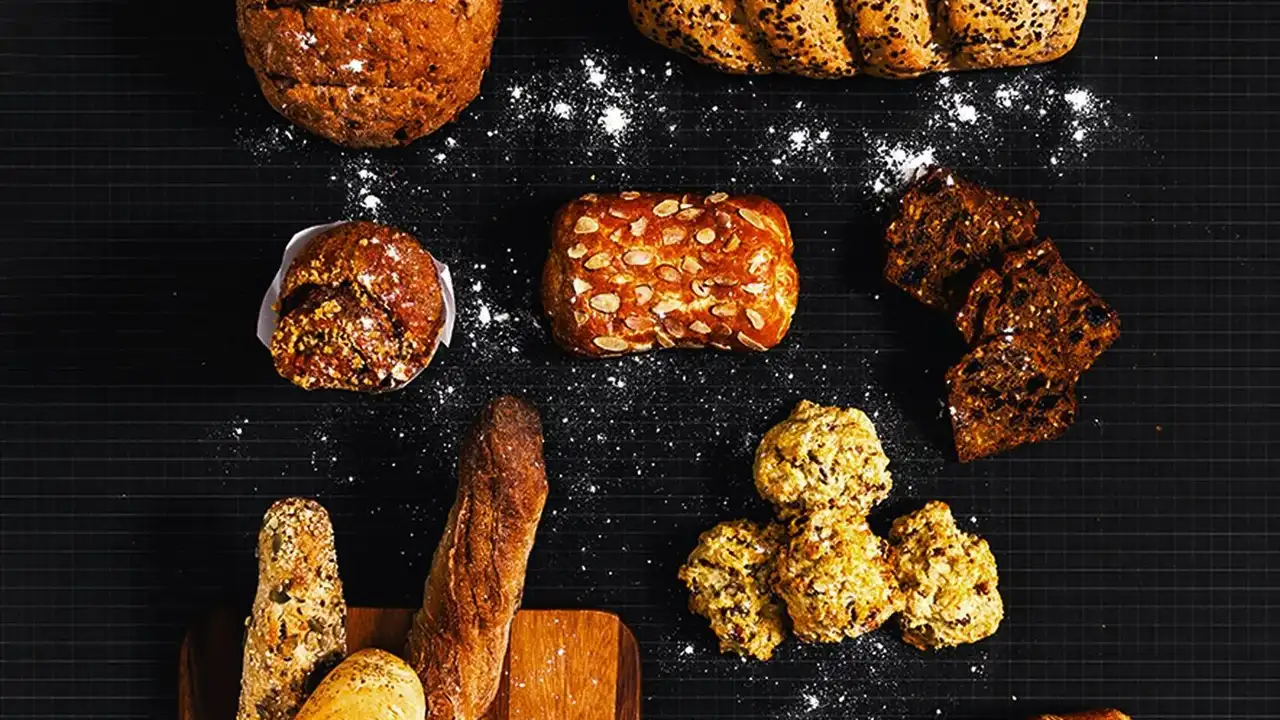
So, what exactly goes into a loaf of bread that costs more than a steak dinner for two? It starts with the ingredients. Forget standard all-purpose flour. We’re talking about rare, single-origin grains like einkorn or specialty rye, sourced from a specific
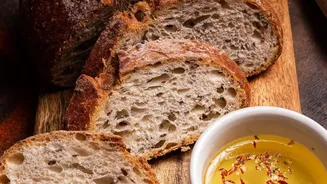
farm that practices regenerative agriculture. The wheat is often milled in-house, daily, to preserve its nutrients and flavor profile. Then comes the process. These aren’t loaves mixed and baked in a few hours. The dough undergoes a long, cold fermentation, sometimes lasting up to 72 hours. This develops complex, tangy flavors and, proponents argue, makes the bread more digestible. Finally, there are the add-ins—perhaps black truffles, rare saffron, or a specific type of imported olive. The baker isn't just a producer; they are an artisan, and their story, their technique, and their philosophy are all baked into the final product. You’re not just buying sustenance; you're buying a piece of culinary art, crafted with an obsessive attention to detail that simply can't be replicated on an industrial scale.
From Commodity to Craft
The journey from a simple pantry staple to a luxury item is rooted in a cultural shift away from mass-produced commodities. For decades, the goal of food production was consistency, volume, and low cost. Think of the pre-sliced, plastic-wrapped bread that defined American supermarkets for a generation. The luxury food trend is a direct reaction to that uniformity. Consumers, particularly younger demographics, are increasingly seeking products with a story. They want to know where their food comes from, who made it, and what makes it special. This demand created a new market for 'artisanal' everything. An artisan’s touch implies skill, tradition, and a rejection of industrial shortcuts. It turns a simple transaction into a connection with a creator. This movement suggests a new definition of value, where the narrative behind the product is as important as the product itself. The price tag reflects not just the cost of goods, but the time, talent, and transparency involved in its creation.
The Instagrammable Economy
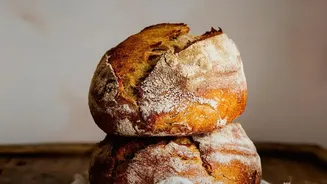
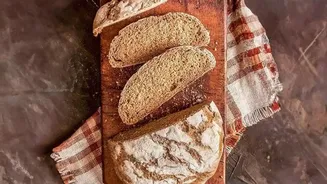
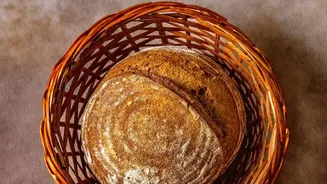
It’s impossible to separate the rise of luxury basics from the influence of social media. A beautiful, rustic loaf with a perfectly scored crust isn’t just food; it's content. In an era of visual storytelling, a photogenic product carries its own marketing weight. Posting a picture of your $60 loaf or your $15 single-origin coffee is a form of status signaling—it communicates taste, sophistication, and the financial freedom to prioritize small luxuries. This is part of the 'experience economy,' where consumers are willing to pay a premium not just for a thing, but for the feeling and the social currency that comes with it. The trip to a boutique bakery, the conversation with the passionate baker, and the aesthetic pleasure of the item itself are all part of the package. It’s a sensory and social experience that a commodity product from a big-box store simply can’t offer. Businesses understand this, curating their spaces and their products to be as shareable as they are consumable.
It’s Not Just About the Bread
While the $60 loaf is a dramatic example, this trend extends across the entire grocery store. Look at the coffee aisle, where beans are now marketed like fine wine, with tasting notes and details about their specific elevation and processing method. Consider the chocolate bar, once a simple candy, now sold in small, expensive batches highlighting cacao from a single estate in Peru or Madagascar. Olive oil, honey, salt, and even butter have all received the luxury treatment. In each case, the formula is the same: take a familiar product, elevate it with rare ingredients and meticulous craftsmanship, wrap it in a compelling story, and present it to a consumer base hungry for authenticity and status. This 'premiumization' creates a new, high-margin tier in markets that were once defined by price competition. It allows small producers to thrive and gives consumers a way to turn everyday consumption into an act of self-expression.