



NASA is holding firm on its ambitious timeline, targeting early 2028 for Artemis IV to land astronauts on the Moon for the first time in over 50 years. But this mission is much more than a nostalgic return; it's a complex, technologically advanced leap
forward.
A Shift in Lunar Strategy
The Artemis program, named after Apollo's twin sister, represents a new era of lunar exploration focused on sustainability and science. Following the uncrewed Artemis I test flight in 2022 and the crewed lunar flyby of Artemis II in 2026, the program's structure has evolved. Originally, Artemis III was slated for the historic landing. However, in a strategic shift announced in early 2026, NASA repurposed Artemis III into a crucial Earth-orbit test flight for the lunar landers, scheduled for 2027. This change designated Artemis IV as the mission to carry the immense responsibility and honor of returning humans to the lunar surface. This restructured approach aims to reduce risk by testing critical docking and life-support systems in a safer environment before attempting the full lunar descent.
More Than Just Footprints
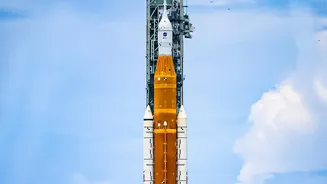
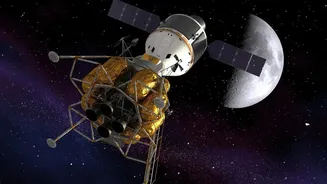
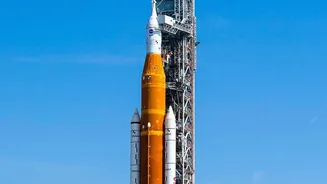
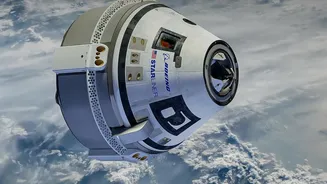
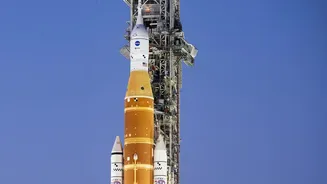
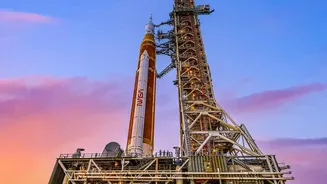
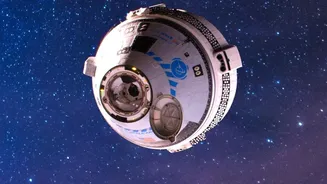
Artemis IV is profoundly different from the Apollo missions of the 20th century. While Apollo was about getting there and back, Artemis is about staying. The 2028 mission plan involves launching a four-person crew aboard the Orion spacecraft, powered by the immense Space Launch System (SLS) rocket. Instead of going directly to the Moon, the mission architecture has been simplified. The Orion crew will now rendezvous with its designated Human Landing System (HLS) in Earth orbit before making the journey to the Moon. Once in lunar orbit, two astronauts will transfer to the lander and descend to the unexplored South Pole region, a site believed to hold water ice—a critical resource for future long-term stays. They will spend approximately a week conducting experiments and collecting samples before returning to their colleagues in orbit for the trip home.
The Commercial Space Race to the Surface
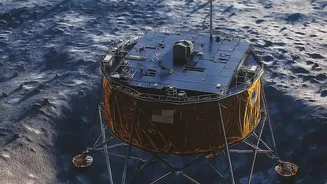
A key component of the Artemis strategy is its deep partnership with the commercial space industry. NASA has awarded multibillion-dollar contracts to two companies, SpaceX and Blue Origin, to develop the HLS vehicles that will serve as the lunar elevators. SpaceX is developing a version of its massive Starship, while Blue Origin is building its Blue Moon lander. Artemis III will test these systems in Earth orbit, but for the historic Artemis IV landing, NASA has not yet officially selected which lander will get the first assignment. This competitive approach is designed to foster innovation and ensure a viable transport system is ready for the 2028 target, creating a new space economy centered on lunar access.
The Gateway: A Complication Removed, For Now
Earlier plans for Artemis IV involved a much more complex dance in deep space. The mission was originally slated to deliver the International Habitation Module (I_Hab) to the Lunar Gateway, a planned mini_space station in orbit around the Moon. However, in a major program shift in 2026, NASA paused work on the Gateway to focus resources and simplify the architecture for the 2028 landing. The revised plan scraps the rendezvous in the distant lunar orbit, which reduces the number of launches and overall mission complexity. While elements of the Gateway are still being developed by international partners, its integration into the Artemis missions has been pushed to later flights, after the initial landing is achieved.
Hurdles on the Path to 2028
While NASA remains publicly confident, the 2028 target is undeniably aggressive and faces significant hurdles. The development of the Human Landing Systems by both SpaceX and Blue Origin is on a tight schedule, requiring successful uncrewed test landings before they can carry astronauts. Another major challenge is the development of next_generation spacesuits by Axiom Space. A government watchdog report raised concerns that the new suits might not be ready in time, with potential delays pushing testing into the next decade. NASA's leadership has insisted the suits will be ready, but these parallel development paths for landers and suits leave little room for error.