





Two Different Cars, Two Different Issues
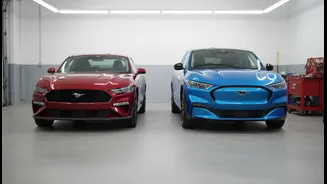
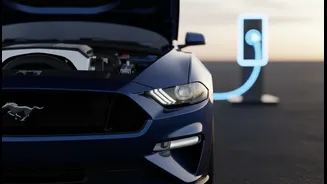
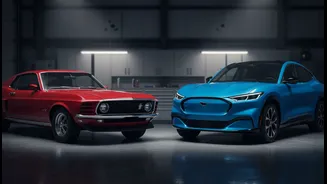
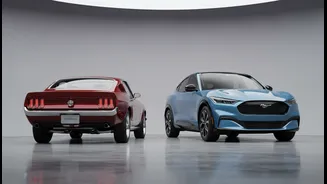
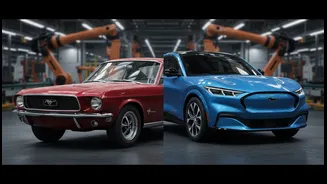
In a move that highlights the growing breadth of the Mustang brand, Ford has announced two distinct safety campaigns that affect both its iconic petrol-powered muscle car and its all-electric SUV counterpart. It's important to note these are separate
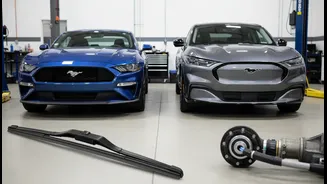
problems affecting different models and model years, not a single, widespread fault. The first recall targets the traditional, gas-powered Ford Mustang, while the second is focused on the electric Mustang Mach-E. Together, the campaigns cover more than 110,000 vehicles, demonstrating Ford's stated goal of catching potential quality issues before they lead to incidents on the road.
A Wiper Problem for the Petrol Mustang
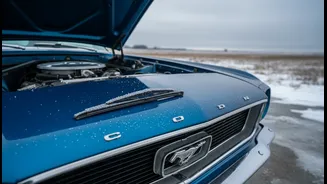
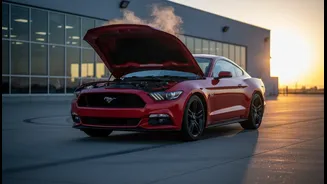
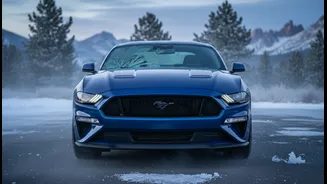
The larger of the two recalls covers approximately 67,842 gas-powered Mustangs from the 2024-2026 model years, including the high-performance Mustang GTD. The issue is rooted in a semiconductor programming error within the front windshield wiper motor. In temperatures at or below freezing (0 degrees Celsius), the wiper motor can lose communication with the vehicle's control module. This can lead to the wipers only functioning on their highest speed setting and may cause the windshield washer system to fail entirely. While this may seem like a minor inconvenience, it poses a significant safety hazard due to reduced visibility in poor weather. Ford has noted it is aware of warranty claims related to the issue but has confirmed there are no reports of accidents or injuries as a result.
A Drivetrain Concern for the Mach-E
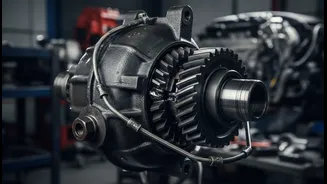
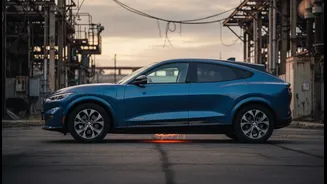
The second recall affects nearly 43,000 all-electric Mustang Mach-E crossovers from the 2021-2023 model years equipped with rear-wheel drive. This issue is more mechanical in nature, concerning a potentially faulty rear differential pinion shaft. According to documents filed with safety regulators, this component can bend, fracture, or break due to fatigue. Such a failure could lead to a sudden loss of driving power or, if the parking brake isn't used, could allow the vehicle to move on its own even when in 'Park'. Ford's internal teams identified the issue after discovering a failed component in a European vehicle. While the company is aware of dozens of warranty claims, it has decisively stated that it knows of no accidents, injuries, or fires related to this defect.
What Owners Need to Do
For both recalls, the fixes will be carried out by dealers free of charge. For owners of the affected gas-powered Mustangs, dealers will inspect the wiper motor and replace it if necessary. The fix for the Mach-E involves a dealer visit for repair or replacement of the rear differential assembly. Ford plans to send out initial notification letters to owners in mid-July 2026. However, a final remedy for the Mach-E issue is still under investigation and may not be available until late December 2026, with a second letter to be sent when the fix is ready. In the meantime, owners can check if their specific vehicle is included in either recall by entering their Vehicle Identification Number (VIN) on the National Highway Traffic Safety Administration (NHTSA) website or via the FordPass mobile app.
The Proactive Approach to Modern Recalls
This pair of recalls serves as a prime example of the modern automotive landscape. On one hand, increasingly complex vehicles with intricate electronics and software can introduce new potential points of failure, like the wiper motor programming error. On the other hand, the core principles of mechanical engineering remain critical, as seen with the Mach-E's differential issue. The silver lining in this news is Ford's proactive stance. By issuing these recalls based on warranty claims and internal findings—before any crashes or injuries were reported—the company is demonstrating a commitment to addressing safety concerns early. For consumers, this should be a reassuring sign, signaling that safety systems and post-sale monitoring are working as intended to catch problems before they can cause harm.