






A Landmark Shipment to the Maldives
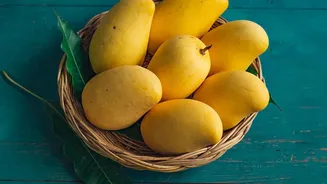
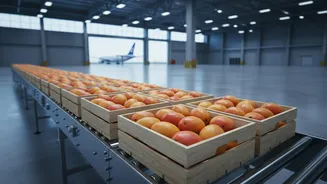
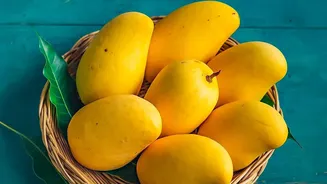
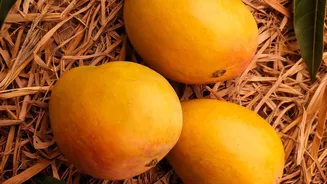
On July 30, 2026, the first-ever air shipment of Neelam and Totapuri mangoes from Karnataka successfully reached the Maldives. Facilitated by the Agricultural and Processed Food Products Export Development Authority (APEDA), the one-metric-tonne consignment
was sourced directly from farmers in the Kolar district. While seemingly small, this shipment is a significant milestone. It represents a deliberate strategy to promote late-season mango varieties in new international markets and move beyond the traditional export powerhouses. The initiative was lauded by the Union Commerce and Industry Minister, Piyush Goyal, as a move that unlocks fresh opportunities for the state's growers and entrepreneurs.
Diversifying the Mango Basket
For decades, India's mango export story has been dominated by a few 'hero' varieties, chief among them the Alphonso. While globally renowned, this reliance creates market vulnerabilities and overlooks the vast diversity of mangoes grown across the country. The focus on Neelam and Totapuri varieties is a strategic pivot. These late-season mangoes, harvested from late June through July, extend India's export window beyond the peak period. This allows Indian exporters to cater to global demand for a longer duration, filling gaps in the market after other varieties have finished their season. This diversification strengthens India's overall mango export portfolio, making it more resilient and competitive on the global stage.
Empowering Farmers and Entrepreneurs
Beyond the high-level trade strategy, this initiative has delivered tangible benefits at the grassroots level. Farmers associated with the Prakruthimaya Farmers Producer Company, who supplied the mangoes, earned over 50% higher returns compared to selling through conventional domestic channels. This demonstrates the power of creating direct linkages between Farmer Producer Companies (FPCs) and international markets. Furthermore, the export was handled by a newly registered woman entrepreneur, highlighting the growing participation of women-led businesses in India's agricultural export ecosystem. By connecting farmers directly with global buyers, such initiatives help ensure that a larger share of the profits flows back to the farming communities who are the foundation of the entire value chain.
A Blueprint for Future Growth
This first shipment is more than a one-off success; it serves as a proof-of-concept for a much broader strategy. APEDA has been actively working to expand India's agricultural export footprint, with mango promotion campaigns running in nearly 20 countries. The success with Neelam and Totapuri varieties can be replicated for other lesser-known fruits and vegetables from different regions of Karnataka and across India. The key lies in identifying unique regional produce, ensuring quality through organized aggregation by FPCs, and facilitating market access. This model helps overcome logistical hurdles and connects growers with premium international markets that value unique and high-quality produce, moving away from a purely volume-based approach. The successful air shipment to the Maldives could pave the way for exploring more cost-effective sea freight options for certain varieties in the future, further boosting profitability.