

The 'Rocket Revolution' Is Here
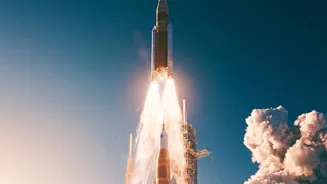
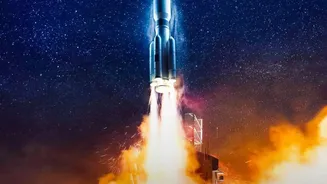
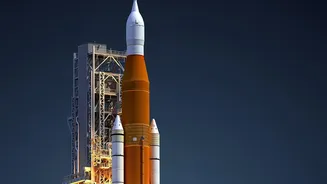
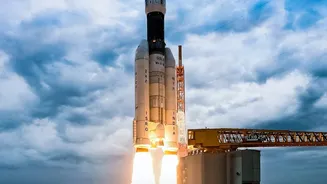
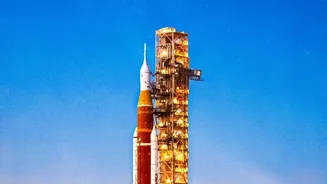
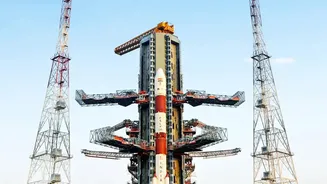
The theme for this year's World Space Week, held annually from October 4 to 10, is 'Rocket Revolution'. This isn't just a catchy slogan; it's a direct acknowledgment of the most significant change in the space industry in decades. For most of history,
reaching orbit was an expensive, high-stakes endeavour exclusively managed by a handful of national governments. The 'revolution' refers to the rapid expansion of this ecosystem. Today, commercial launch providers, university teams, and a growing number of startups are joining the fray, fundamentally changing who can go to space, how often, and for what purpose. This global event, declared by the United Nations, celebrates two key anniversaries: the launch of the first satellite, Sputnik 1, on October 4, 1957, and the signing of the Outer Space Treaty on October 10, 1967.
How Reusability Changed Everything
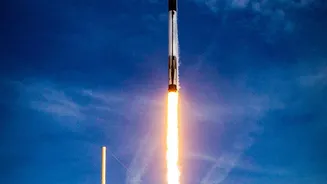
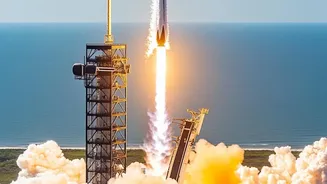
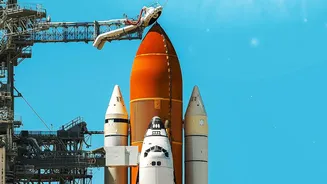
The single biggest driver of this revolution is reusable rocket technology, pioneered and dominated by companies like SpaceX. By designing rockets whose most expensive parts can fly back to Earth and be refurbished for another flight, the cost of reaching orbit has plummeted. What was once an astronomical expense is now becoming more akin to routine infrastructure. This massive cost reduction—by as much as 96% since the early days of spaceflight—has been the catalyst for a surge in activity. Companies like Blue Origin and United Launch Alliance are also major players, developing their own next-generation vehicles and broadening access for both cargo and human spaceflight. This increased competition and falling prices have turned space into a viable marketplace, paving the way for everything from satellite internet constellations to the beginnings of space tourism.
India's Startups Join the Race
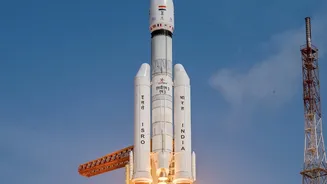
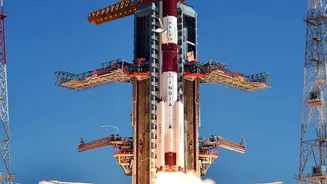
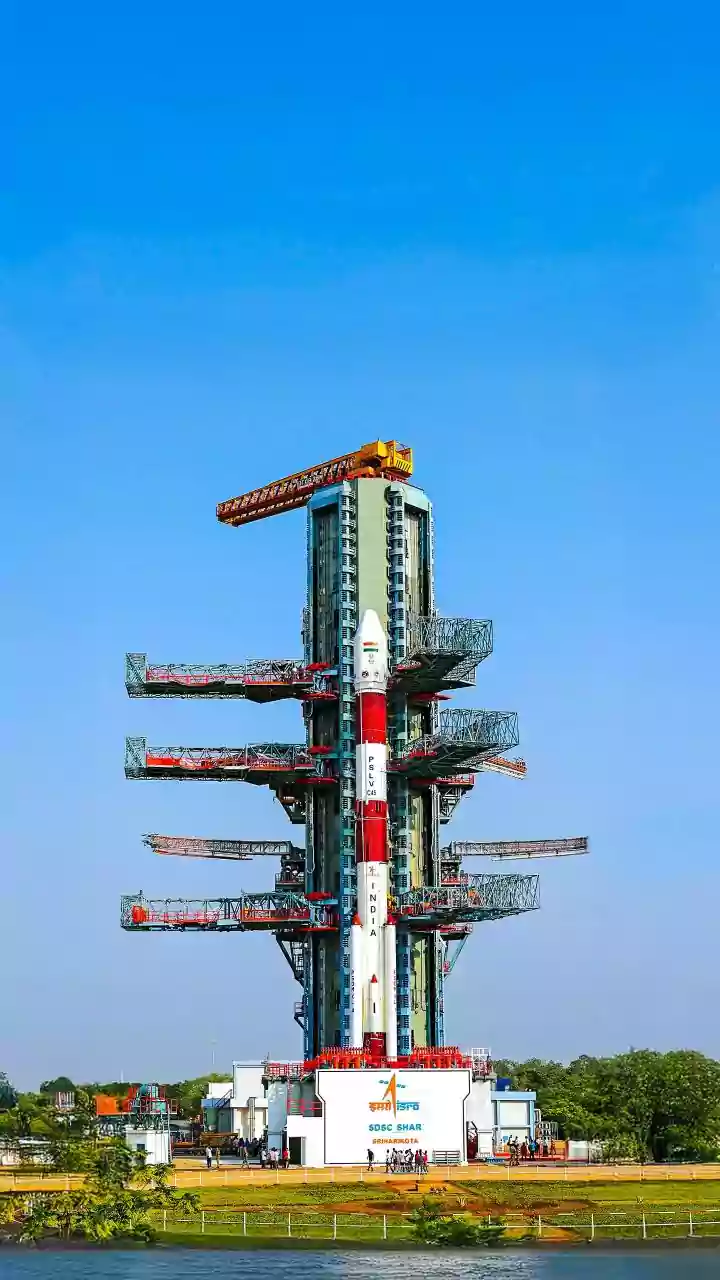
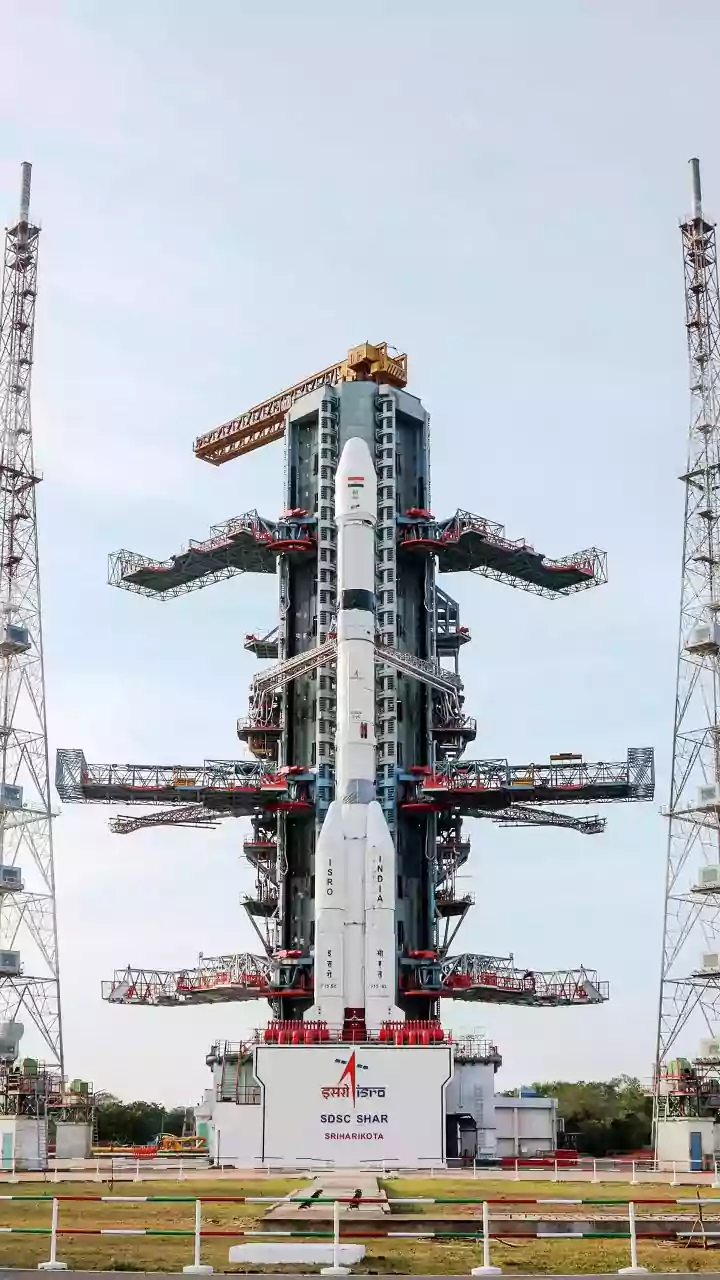
This new era is not just being shaped by American giants. India has emerged as a vibrant hub for space-tech innovation. Startups like Skyroot Aerospace, which recently became the country's first private company to complete an orbital launch with its Vikram-1 rocket, are gaining global attention. Others, like Pixxel, are deploying constellations of advanced Earth-observation satellites, while GalaxEye Space recently earned a U.S. patent for its innovative all-weather imaging technology. These companies are not just building hardware; they are creating sophisticated services. In early October 2026, payloads from several Indian startups, including Dhruva Space and TakeMe2Space, were launched aboard a SpaceX Falcon 9, showcasing a strategic shift from manufacturing to providing advanced in-orbit services and data processing. This demonstrates a maturing ecosystem where Indian firms are competing on a global stage, often by leveraging established launch providers to deploy their own cutting-edge technology.
Beyond Tourism: A New Economy in Orbit
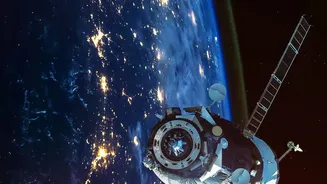
While space tourism grabs headlines, the real economic boom is happening behind the scenes. The new accessibility is fueling a diverse low-Earth orbit (LEO) economy. This includes the mass deployment of small satellites for communications and Earth observation, which are crucial for everything from weather forecasting to agricultural management. Furthermore, companies like Varda Space Industries are pioneering in-space manufacturing, using the unique microgravity environment to produce materials like pharmaceuticals that are difficult to make on Earth. NASA itself is actively partnering with private firms, helping them develop lunar landers and other deep-space technologies. This collaborative environment, where public agencies support private innovation, is accelerating the development of a self-sustaining economy beyond our planet.
The Challenges of a Crowded Sky
Of course, this rapid commercialisation comes with significant challenges. The 'Rocket Revolution' is making space more crowded, raising concerns about orbital debris and the safety of satellites. As more players enter the field, the need for robust space traffic management and clear international regulations becomes more urgent. Companies like Kayhan Space are already developing software to help commercial operators avoid collisions in the increasingly congested highways of low-Earth orbit. Furthermore, while costs are falling, they are still substantial, and the path from a successful rocket test to a profitable business remains difficult for many startups. The industry must navigate these hurdles to ensure that the new era of space access is both sustainable and safe for everyone involved.