






A New Chapter in Indian Ecotourism
The administration of Ladakh has approved a groundbreaking ecotourism initiative: a guided high-altitude wildlife safari. The decision, announced by Lieutenant Governor Vinai Kumar Saxena, marks a significant shift towards structured, sustainable tourism in one
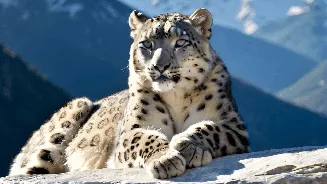
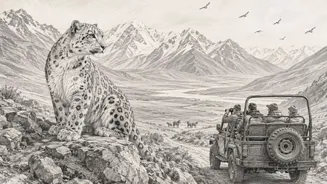
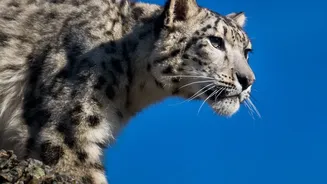
of India's most ecologically sensitive regions. The project will be managed by the newly formed Snow Leopard and High-Altitude Nature (SHAN) Conservation Society. The core idea is to offer visitors a chance to witness the region's unique wildlife, including the elusive snow leopard, through regulated jeep safaris, curbing the environmental damage caused by illegal off-roading while boosting the local economy. This initiative aims to establish Ladakh as a global benchmark for community-led conservation and responsible mountain tourism.
What is a High-Altitude Safari?
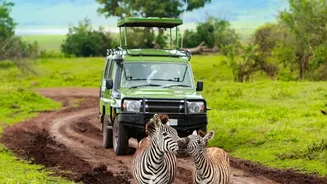
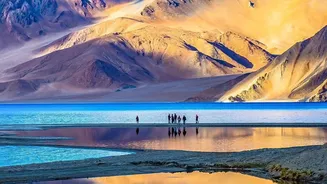
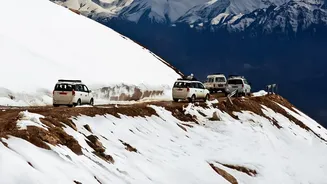
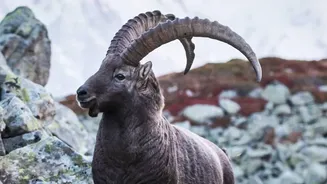
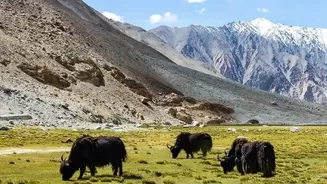
Unlike traditional safaris in India's plains and forests, this new venture will take tourists into the cold, arid landscapes of the Himalayas. Specially designed, open-back safari vehicles, operated by trained local drivers and guides, will navigate curated routes. This model is inspired by successful safaris in national parks like Ranthambore and Kaziranga, adapted for the fragile mountain ecosystem. The primary focus will be on spotting high-altitude fauna, chief among them the snow leopard. Ladakh is home to 477 of India's estimated 718 snow leopards, making it a critical habitat for the 'ghost of the mountains'. The safaris will also highlight the region's rich avian diversity, with plans to train local youth as birdwatching guides and establish dedicated birding hides.
The Blueprint for 'Responsible' Tourism
At the heart of this project is the principle of responsible tourism, where conservation and community are intertwined. The SHAN society's roadmap integrates wildlife protection, sustainable livelihoods, and robust waste management. Key measures include installing hundreds of colour-coded waste bins across villages, launching a plastic-free tourism campaign, and requiring tour operators to manage waste responsibly. The initiative empowers local communities by making them direct stakeholders. This includes training local youth as guides, involving women artisans in creating and selling wildlife-themed souvenirs, and establishing wildlife clubs in schools to foster conservation awareness from a young age. The model ensures that economic benefits from tourism flow directly back into the communities that are custodians of this fragile environment.
Balancing Ecology with Economic Opportunity
The high-altitude safari is designed to tackle two major challenges: protecting a fragile ecosystem from unregulated tourism and providing sustainable economic opportunities for remote communities. By creating official, guided safari routes, the administration aims to stop the destructive practice of illegal off-roading, which damages terrain and disturbs wildlife. The potential safari routes are being identified across vast, wildlife-rich areas like Hemis National Park, Changthang Wildlife Sanctuary, and other regions known for snow leopards, including Nubra, Zanskar, and Drass. For local communities, the project promises more than just jobs; it offers a stake in conservation. As Lieutenant Governor Saxena stated, conservation efforts can only succeed when local communities become equal partners who benefit economically from protecting nature.
The Path Forward
With approvals in place, the directive is to fast-track preparations before the upcoming winter, which is the peak season for snow leopard sightings. The success of this high-altitude safari could create a powerful new template for tourism across the Himalayas and other ecologically sensitive zones in India. It represents a move away from high-volume, low-impact tourism towards a more sustainable, high-value model that respects both the environment and local culture. By placing community benefit and conservation at its core, Ladakh's new safari is more than just an adventure; it's a vision for the future of Indian tourism.