






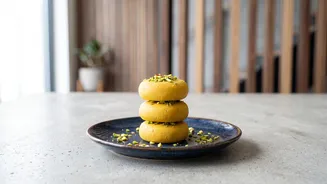
The vibrant colors and rich aromas of Indian sweets, or mithai, are synonymous with festive joy. But as demand skyrockets during celebrations, so do concerns about food safety. Here’s what you need to know to celebrate safely.
The Sweet Center of Celebration
In Indian culture, festivals
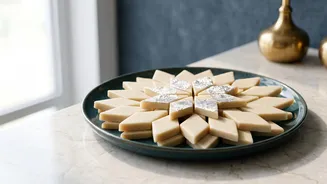
like Diwali and Navratri are incomplete without an assortment of sweets. These edible jewels, from glistening laddus to decadent barfis, are more than just dessert; they are symbols of hospitality, good fortune, and shared happiness. Families exchange elaborate boxes of mithai with friends and neighbors, and no festive meal is complete without them. This deep cultural significance drives an enormous spike in demand, putting immense pressure on sweet makers to produce vast quantities at speed.
Demand, Greed, and Dangerous Shortcuts
To meet the overwhelming seasonal demand and maximize profits, some manufacturers resort to dangerous and illegal practices. This problem, known as adulteration, is a recurring issue that Indian food safety authorities actively combat each year. The core of the problem lies in bulking up expensive ingredients with cheap, and often non-edible, substitutes. The most frequently targeted ingredient is khoya (also called mawa), a foundational element made by slowly thickening milk. During the festive rush, authentic khoya is often replaced with a mixture of starch, flour, and sometimes even blotting paper or chemicals to mimic its texture.
A Cocktail of Contaminants
The list of potential adulterants is alarming. Milk, the base for many sweets, might be diluted with water or contaminated with detergent, shampoo, or urea to create a synthetic version. Ghee (clarified butter) can be mixed with cheaper hydrogenated oils, while the beautiful silver leaf (vark) that garnishes many sweets is sometimes replaced with toxic aluminum foil. Furthermore, to achieve vibrant, eye-catching colors, some makers use non-permitted, industrial-grade textile dyes like metanil yellow, which can be carcinogenic. These contaminants pose serious health risks, leading to food poisoning, digestive issues, and long-term organ damage.
The View From the U.S.
For consumers in the United States, the risk is different but still present. Commercially imported sweets are regulated by the Food and Drug Administration (FDA), which requires proper labeling in English, including allergen declarations. Packaged and shelf-stable sweets from reputable brands generally clear customs without issue. However, dairy-based products face higher scrutiny because India is not on the USDA's list of dairy-equivalent countries, and items with unclear labels or fresh ingredients are more likely to be flagged or refused. The key is that while the FDA provides a layer of protection, awareness of the issues at the source helps consumers make more informed decisions when purchasing from local or online sellers.
How to Be a Smart Shopper
You don't need to skip the sweets to stay safe. The first rule is to buy from licensed, reputable shops with high turnover, which ensures products are fresh. Examine the sweets before you buy; stale products may have a musty smell or a slightly sour taste. Be wary of sweets with unnaturally bright colors, as they may contain industrial dyes. When buying pre-packaged sweets, check for a best-by date and intact seals. For milk-based mithai, it’s best to consume them within a day or two and keep them refrigerated. If you have the time, making sweets at home is the surest way to control the quality of the ingredients and enjoy the festivities without worry.