

Tsomgo Lake, Sikkim
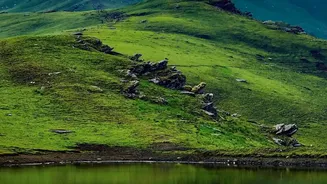
Located at a dizzying altitude of 12,313 feet, Tsomgo Lake is a glacial wonder that changes with the seasons. Just 40 kilometres from Gangtok, this sacred lake is enveloped by snow-capped peaks. In winter, it transforms into a frozen sheet of ice, while
spring sees its banks burst with alpine flowers. The lake’s surface is famed for reflecting different colours, a phenomenon local Buddhist monks once used for prophecies. A small Shiva temple on its banks and colourful yaks add to the mystical charm of this high-altitude marvel.
Loktak Lake, Manipur
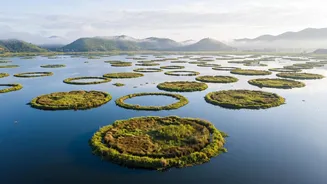
Loktak Lake is an ecological marvel and the largest freshwater lake in Northeast India. What makes it truly unique are the 'phumdis'—heterogeneous masses of vegetation, soil, and organic matter—that float on its surface. These floating islands are so large that they support the Keibul Lamjao National Park, the world's only floating national park. This park is the last natural refuge of the endangered Sangai deer, or 'dancing deer'. The lake is the lifeline for many local communities, who live on the phumdis in traditional huts and practise a unique form of fishing.
Gurudongmar Lake, Sikkim
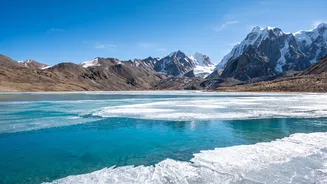
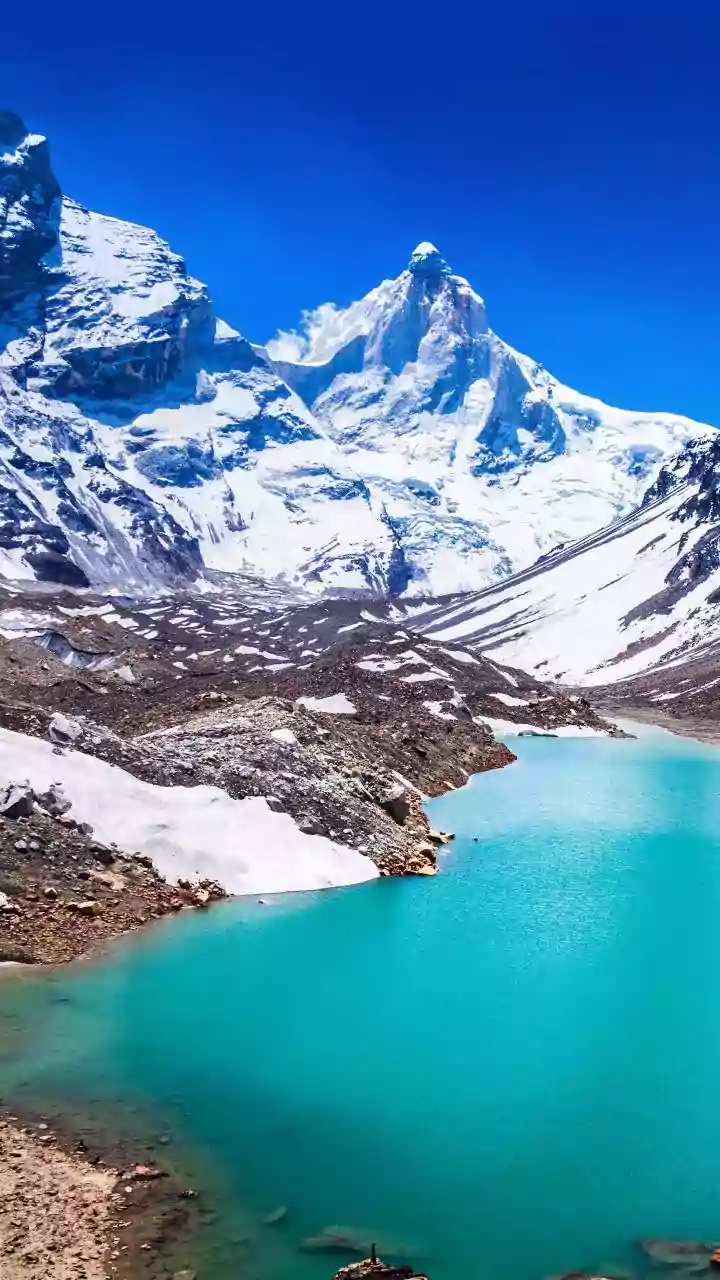
One of the highest lakes in the world, Gurudongmar sits at a breathtaking elevation of 17,800 feet near the India-China border. Considered sacred by both Buddhists and Sikhs, the lake is named after Guru Padmasambhava, who is believed to have visited in the 8th century. A fascinating legend surrounds a part of the lake that never freezes, even in the harshest winters. It is said that the Guru touched that spot to provide a source of drinking water for the locals. The lake's brilliant turquoise water against the stark, cold desert landscape is a sight of profound, serene beauty.
Umiam Lake, Meghalaya
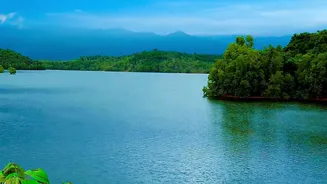
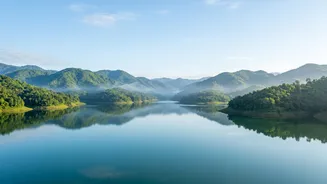
Often the first stunning vista that greets visitors entering Shillong, Umiam Lake is a vast man-made reservoir also known as 'Bara Pani' or big water. Created in the early 1960s by damming the Umiam River, it was part of Northeast India's first hydroelectric project. Surrounded by the lush, rolling Khasi hills, its shimmering blue waters are a hub for water sports like kayaking, boating, and water cycling. The lake's scenic beauty, often compared to the lakes of Scotland, makes it a popular spot for picnics and tranquil retreats away from the city.
Sela Lake, Arunachal Pradesh
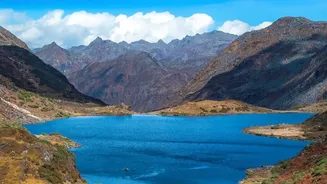
Near the historic Sela Pass at an altitude of 13,700 feet lies the ethereal Sela Lake, also called Paradise Lake. This glacial lake is often partially or completely frozen during winter, surrounded by a landscape of rugged, snow-dusted mountains. Sacred to the local Monpa tribe, it is considered one of 101 holy lakes in the Tawang region, each with its own spiritual story. The reflection of the clear sky and surrounding peaks on its crystal-clear water on a sunny day creates a picture of sublime Himalayan beauty, making the challenging journey to reach it worthwhile.
Shilloi Lake, Nagaland
Nestled in the Phek district, Shilloi is the largest natural lake in Nagaland. Shaped like a giant human footprint from an aerial view, the lake is steeped in local folklore. One legend tells of a baby girl, believed to be the queen of the lake, who was found floating in its centre, protected by spirits. Because of this, it is widely believed that no one can drown in Shilloi Lake. Surrounded by pine forests, it’s a haven for migratory birds and a popular spot for fishing, drawing nature lovers and birdwatchers alike.
Sangestar Tso (Madhuri Lake), Arunachal Pradesh
Popularly known as Madhuri Lake after a song from the Bollywood film 'Koyla' was filmed here, Sangestar Tso is a high-altitude lake near the India-China border. It was formed by a flash flood following an earthquake, which submerged a forest, and the haunting trunks of dead trees still stand in the middle of the lake's clear waters. The lake sits at over 12,000 feet, surrounded by stunning mountain scenery. Its combination of natural beauty and a unique, slightly eerie landscape makes it a memorable stop for travellers exploring the Tawang region.
Tam Dil, Mizoram
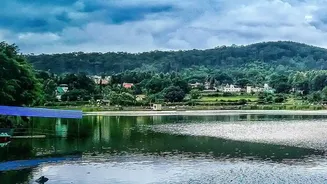
Meaning 'Lake of Mustard' in the Mizo language, Tam Dil is a man-made reservoir nestled in the serene hills near Saitual. According to local folklore, the lake was created when a magical, oversized mustard plant was pulled from the ground, leaving a hole that filled with water. Surrounded by lush forests, the lake has been developed as a hub for pisciculture and is a popular recreational spot for boating and picnics. It is also an important site for biodiversity, with several unique species of frogs and snakes discovered in its vicinity.