




The Electric Shock to the System
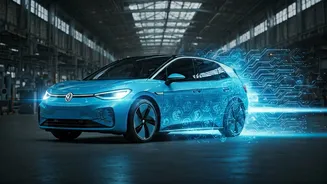
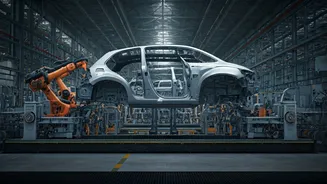
The global auto industry is undergoing its biggest transformation in a century. The shift from internal combustion engines (ICE) to electric vehicles (EVs) is not just a change in technology; it's a monumental financial undertaking. For a titan like Volkswagen,
this means funnelling billions into developing new EV platforms, building battery gigafactories, and creating sophisticated software to compete. These costs are staggering, and they come at a time when the company is also facing fierce competition from agile EV specialists like Tesla and a wave of aggressive, tech-savvy Chinese automakers. This 'perfect storm' of high investment needs and intense competition is forcing VW to make some tough choices. The company has already announced a massive restructuring plan that could involve up to 100,000 job cuts and the closure of several German factories to streamline operations and cut costs.
The Billion-Dollar Question: Who's on the Block?
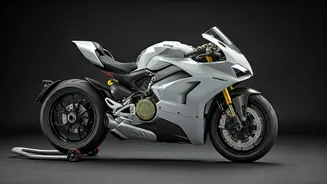
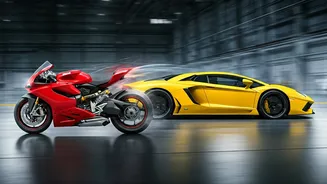
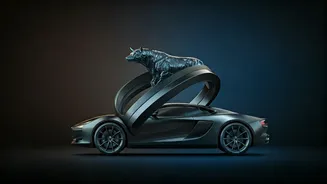
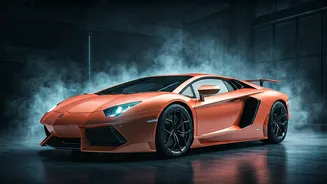
When a company needs to raise cash, it looks at its assets. In VW’s case, its portfolio of brands is a treasure trove. Recent reports, primarily stemming from the Financial Times, suggest that advisers are urging VW to reconsider selling some of its most prized possessions. The two names that surface most frequently are Italian icons Lamborghini and Ducati. Lamborghini, the supercar maker acquired by VW's Audi division in 1998 for about $110 million, is now valued by some analysts at over $22 billion and is highly profitable. Ducati, the legendary motorcycle brand, was also an Audi acquisition in 2012. Selling these brands outright, or spinning them off through an Initial Public Offering (IPO) as was done with Porsche, could generate a massive influx of cash. While VW has not officially confirmed these plans, the fact that these discussions are happening highlights the immense financial pressure the automaker is under.
A War Chest for the Future
If VW were to sell these beloved brands, the proceeds wouldn't just be pocketed. The capital would be a strategic war chest to pour directly into the company’s future: electrification and digitalization. The automotive world is no longer just about horsepower; it's about software, battery range, and autonomous driving capabilities. VW has struggled with its software development, and catching up requires immense investment. Furthermore, to compete on cost with Chinese rivals, VW is developing new, more affordable EV platforms specifically for markets like China, aiming to slash costs by as much as 40% by 2026. The funds from any potential sale would be critical to accelerating these efforts, helping VW to not just survive the EV transition but to lead it. The company recently sold a majority stake in its marine engine business, Everllence, but the proceeds could be quickly swallowed by the sheer scale of the group's restructuring needs.
The High-Stakes Gamble
Selling profitable, high-margin luxury brands like Lamborghini and Ducati is a significant gamble. These brands are reliable revenue generators and add a prestigious halo to the entire VW Group. Some analysts are skeptical that VW would part with such consistent performers, arguing that it would be like selling the family silver to pay the bills. The risk is that VW sacrifices guaranteed profits from its luxury wing for a high-stakes bet on a still-uncertain EV future, especially as EV demand has shown signs of slowing in some markets. However, the alternative may be even riskier. Failing to invest heavily enough now could leave VW's core mass-market brands, like Volkswagen itself, Skoda, and SEAT, unable to compete with more nimble and cost-effective rivals in the years to come. The leadership at VW has admitted that its old business model of developing cars in Germany and exporting them globally 'no longer works'. This signals a fundamental need for change, even if it involves painful decisions.