





Understanding Inflammation and Your Joints
Inflammation is your body's natural defence mechanism against injury or infection. While acute inflammation is helpful, chronic inflammation is a different story. This long-term, low-grade inflammation can persist for months or years and is linked to numerous
health issues, including arthritis. In the joints, chronic inflammation can lead to pain, swelling, stiffness, and damage to cartilage—the cushioning tissue at the ends of your bones. Over time, this can significantly impact mobility and quality of life. Many factors contribute to chronic inflammation, but your diet plays a crucial role.
The Protective Power of Antioxidants
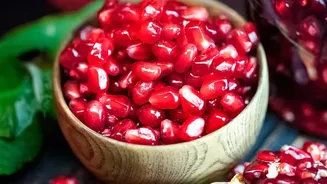
This is where antioxidant-rich foods come in. Antioxidants are compounds that protect your cells from damage caused by harmful molecules called free radicals. An imbalance between free radicals and antioxidants leads to oxidative stress, a process that contributes to chronic inflammation and can damage joint tissues. By neutralizing free radicals, antioxidants help calm this inflammatory response. A diet high in antioxidant-rich foods, often called "superfoods," can be a powerful tool to help your body combat the cellular wear and tear that fuels joint pain.
Turmeric: The Golden Spice
Turmeric, a staple in Indian kitchens, contains a powerful compound called curcumin, which is responsible for its vibrant golden colour. Curcumin is a potent anti-inflammatory and antioxidant. Studies have shown that curcumin can be effective at reducing the pain and inflammation associated with both osteoarthritis and rheumatoid arthritis. In some cases, its effects on reducing joint pain have been compared to certain pain medications. To boost absorption, pair turmeric with black pepper and a source of healthy fat.
Fatty Fish: Omega-3 Heroes
Fatty fish like salmon, mackerel, and sardines are packed with omega-3 fatty acids, particularly EPA and DHA. These healthy fats are renowned for their powerful anti-inflammatory effects. They work by decreasing the body's production of inflammatory chemicals like cytokines and prostaglandins, which can provide relief from joint discomfort. Research shows that regular consumption of omega-3s can lead to reduced joint stiffness, less pain, and improved mobility for people with arthritis.
Berries: Nature's Antioxidant Candy
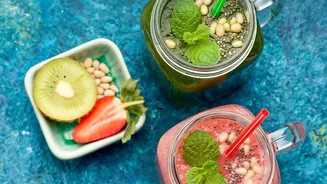
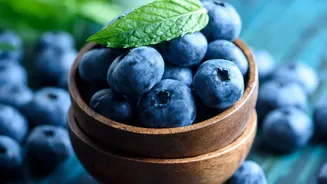
Colourful berries like blueberries, strawberries, and raspberries are not just delicious; they are loaded with antioxidants called anthocyanins. These compounds are responsible for the berries' red and blue hues and have been shown to have significant anti-inflammatory effects. By helping to neutralize oxidative stress, the antioxidants in berries can protect joint tissues from damage and help reduce overall inflammation, making them a sweet and effective addition to a joint-friendly diet.
Leafy Greens and Cruciferous Vegetables
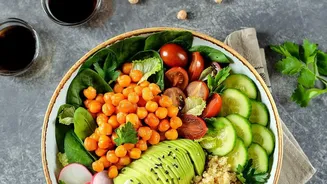
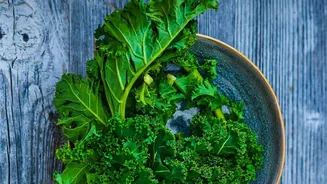
Dark leafy greens such as spinach and kale are nutrient powerhouses. They are rich in antioxidants, including vitamins C and K, which are essential for protecting joints and reducing inflammation. Vitamin C is vital for producing collagen, a key component of cartilage, while other compounds like sulforaphane—found in broccoli and other cruciferous vegetables—help block inflammatory processes and may protect cartilage. Including these greens in your daily diet supports bone and connective tissue strength.
Nuts and Seeds: A Crunchy Defence
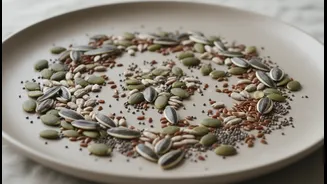
Nuts and seeds like walnuts, flaxseeds, and chia seeds are excellent plant-based sources of anti-inflammatory omega-3 fatty acids. They provide a convenient and crunchy way to boost your intake of healthy fats, fiber, and antioxidants. These nutrients work together to lower inflammatory markers in the body and protect joint health over time. A small handful of nuts or a sprinkle of seeds on your yogurt or salad can contribute to better joint function and less discomfort.