




The 'Grey Ghost' and Unchecked Tourism
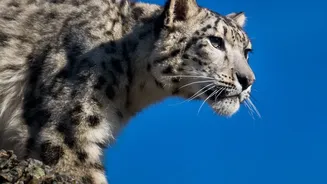
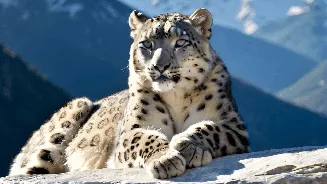
Ladakh is home to the largest population of snow leopards in India, with an estimated 477 of the country's 718 individuals residing in its high-altitude terrain. This has turned the region into a global hotspot for wildlife tourism, particularly during
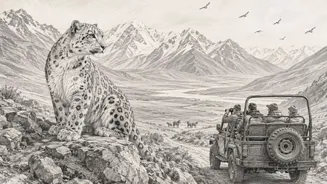
the winter months when sightings of the 'grey ghost of the mountains' are more frequent. However, the rapid and often unregulated growth of tourism has brought significant challenges. An influx of vehicles and tourists has led to problems like illegal off-roading, which disturbs the animals, and increased pollution in a delicate environment. The very passion that brings people to see these magnificent creatures has, at times, threatened their habitat, creating a classic conflict between economic opportunity and ecological preservation. This tension highlighted the need for a structured approach to ensure tourism's benefits did not come at the cost of the region's natural heritage.
A Blueprint for Balance and Responsibility
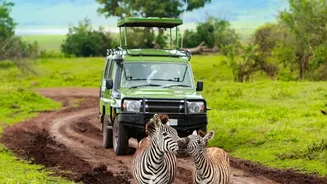
In a significant move to address these issues, Ladakh’s administration has approved India's first-ever high-altitude wildlife safari. This initiative is part of a broader framework developed by the newly formed Snow Leopard and High-Altitude Nature (SHAN) Conservation Society. The core of the new policy is to shift from unregulated tourism to a structured, community-led model. A key component is the introduction of guided jeep safaris using specific routes in areas like Hemis National Park and the Changthang and Karakoram Wildlife Sanctuaries. These safaris will be operated by trained local drivers and guides in specially designed vehicles, similar to the model used in national parks like Ranthambore and Kaziranga. The goal is to prevent habitat disturbance from random off-roading and ensure that tourists have a safer, more informative, and ecologically responsible experience.
Empowering Local Guardians of the Wild
A cornerstone of this new framework is the empowerment of local communities, transforming them from passive bystanders into active partners and economic beneficiaries of conservation. Lieutenant Governor Vinai Kumar Saxena emphasized that conservation can only succeed when local communities are equal partners. This principle is built on the success of earlier community-based initiatives like the Himalayan Homestays program, which helped change local perceptions of snow leopards from pests that preyed on livestock to valuable assets for tourism. The new SHAN society model ensures that communities are direct stakeholders. A portion of tourism revenue is often directed into a village conservation fund, giving locals a direct financial incentive to protect the wildlife and their environment. The framework also includes training 20 local youths as expert birdwatching guides and creating wildlife souvenir shops to further integrate the local economy with conservation-led tourism.
Beyond the Leopard: Holistic Ecosystem Health
While the snow leopard is the star attraction, the new framework is designed to protect Ladakh’s entire ecosystem. The region supports over 38 mammal species and 340 bird species. The approved measures are holistic, including the establishment of ten birdwatching hides at key hotspots, training programs in bird identification, and launching annual wildlife photography fellowships for local youth to promote awareness. Furthermore, the plan tackles the environmental footprint of tourism head-on. It includes installing hundreds of color-coded waste bins across dozens of villages, launching a comprehensive plastic-free tourism campaign, and putting up signs to caution visitors against littering and other harmful activities. Wildlife clubs will also be established in 50 government schools to foster a conservation mindset in the younger generation, ensuring the long-term sustainability of these efforts.