





The Paradox of Popularity
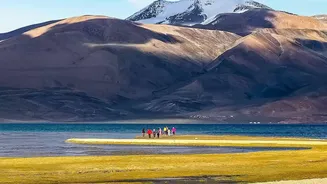
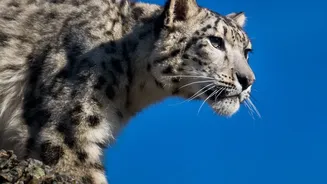
The dream of spotting a snow leopard in its natural habitat has turned Ladakh into a global hotspot for wildlife tourism. However, this boom comes with a significant cost. Unregulated tourism has led to an increase in vehicles venturing off-road, disturbing
the fragile high-altitude ecosystem and causing stress to wildlife. Instances of large crowds gathering for a single animal sighting have become common, disrupting natural behaviours and posing a long-term threat to the very creatures tourists come to see. This uncontrolled footfall creates a paradox: the more people who come to appreciate Ladakh's wildlife, the greater the pressure on its survival.
What are 'Controlled Routes'?
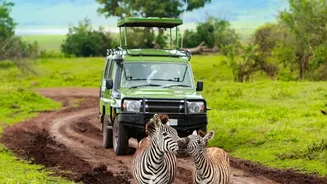
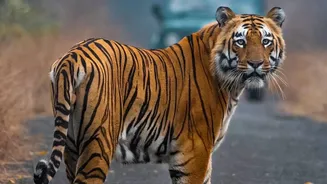
The idea of controlled routes, recently approved by the Ladakh administration, offers a structured solution. Rather than a free-for-all, this system proposes designated jeep safari trails, similar to those in national parks like Kaziranga or Ranthambore. The plan involves using specially designed open-back vehicles operated by trained local drivers and guides. These routes would be carefully mapped out by the Forest Department across wildlife-rich areas like Hemis National Park and the Changthang Wildlife Sanctuary. The goal is to channel tourist movement, prevent illegal off-roading, and minimise disturbance, creating a predictable and safe environment for both wildlife and visitors.
A Win for Wildlife and Tourists
For Ladakh's fauna, the benefits are clear. Controlled routes mean less stress, reduced habitat disturbance, and safer corridors for movement. This is particularly crucial for elusive animals like the snow leopard, of which Ladakh has the largest population in India. By limiting access to sensitive areas, the initiative allows animals to thrive without constant human interference. For tourists, this doesn't mean a lesser experience; it means a better one. A regulated safari increases the chances of meaningful, ethical sightings guided by knowledgeable locals, replacing the chaotic scramble with a more profound and respectful connection to nature.
Empowering Local Communities
A key pillar of this new initiative is its focus on community participation. The plan isn't just about protecting animals; it's about making local communities the primary stakeholders and beneficiaries of conservation. The proposed safaris will be operated by trained local drivers and guides, creating sustainable livelihood opportunities. This model builds on the success of existing community-based programmes like the Himalayan Homestays, which have already helped change local perceptions of predators like the snow leopard from pests to valuable assets for tourism. By linking conservation directly to economic benefits, the administration aims to create a generation of local guardians for Ladakh's ecosystem.
The Road to Implementation
The journey from proposal to reality is now underway. The initiative was approved in early August 2026 at the first meeting of the newly formed SHAN (Snow Leopard and High-Altitude Nature) Conservation Society, chaired by Lieutenant Governor Vinai Kumar Saxena. The Forest Department has been tasked with identifying the final safari routes and finalising operating guidelines before the winter snow leopard sighting season begins. The administration also plans to train 20 local youths as birdwatching guides and establish 10 birdwatching hides at key hotspots. While the concept is strong, successful implementation will require continued collaboration between the government, local communities, and tour operators to ensure the rules are both practical and enforced, safeguarding Ladakh’s wild treasures for the future.