

A Symphony of Opposites
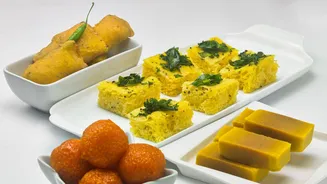
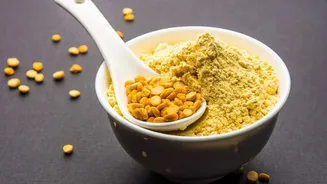
At its heart, the magic of fafda-jalebi lies in its delightful contrast. Fafda is a thin, rectangular, and crispy snack made from gram flour (besan), seasoned with salt, turmeric, and carom seeds (ajwain). It is savoury, light, and wonderfully crunchy.
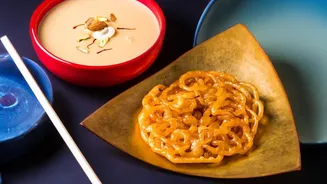
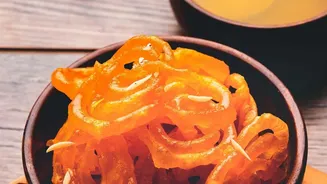
Its perfect partner, jalebi, is a coil of fermented batter, deep-fried and then soaked in a fragrant sugar syrup, often laced with saffron or cardamom. The result is a sweet that is simultaneously crisp and chewy, bursting with syrup. When eaten together, the salty fafda cuts through the intense sweetness of the jalebi, creating a perfectly balanced and incredibly satisfying bite.
The Essential Accompaniments
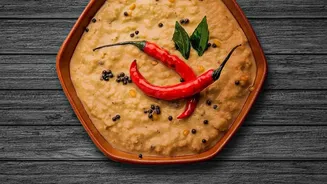
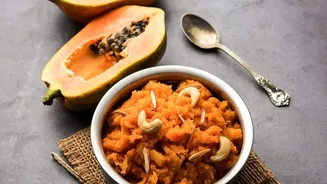
The experience is incomplete without its traditional accompaniments. Fafda is almost always served with a side of 'sambharo', a tangy and spicy salad most commonly made from grated raw papaya, tempered with mustard seeds and green chillies. A dollop of besan chutney and a few fried green chillies are also essential, adding another layer of heat and flavour. These sides provide a fresh, zesty counterpoint to the fried richness of the main components, elevating the simple breakfast into a complex and multi-layered meal.
A Cherished Weekend Ritual
While available year-round, fafda-jalebi holds a special place as a Sunday morning ritual for many Gujarati families. However, its cultural significance peaks during the festival of Dussehra. On this day, which celebrates the victory of good over evil, queues form outside 'farsan' (snack) shops from the early hours of the morning. The tradition is rooted in both mythology and practicality. One belief connects the combination to Lord Rama and Hanuman; jalebi (an ancient sweet called 'Shashkuli') was a favourite of Rama's, while Hanuman favoured snacks made from gram flour. Eating them together celebrates their victory. Additionally, after nine nights of Navratri fasting, Hindu tradition suggests breaking the fast with gram flour, which is considered light on the stomach, making fafda an ideal choice.
The Art of Making Fafda
Making perfect fafda is a true skill. The soft, pliable dough of gram flour must be kneaded to the right consistency. Then, in a motion that requires practice and precision, a small piece of dough is placed on a wooden board. Using the heel of the palm, the maker presses and stretches it into a long, thin strip. This strip is then carefully lifted with a knife and slid into hot oil, where it fries quickly until crisp and golden. This manual technique, passed down through generations of snack makers, is what gives fafda its uniquely delicate and flaky texture that commercial machines struggle to replicate.
More Than Just a Breakfast
From the bustling streets of Ahmedabad to homes across the state and beyond, the combination of fafda and jalebi is more than just food; it is an institution. It represents a cultural identity, a festive spirit, and the joy of shared community experiences. The pairing symbolises balance—the sweet and the savoury, the indulgent and the simple. It's a tradition that brings together families and friends, a flavour that evokes nostalgia, and a culinary ritual that continues to be a beloved and inseparable part of Gujarati life.