





The Rise of the 'Gym-cation'
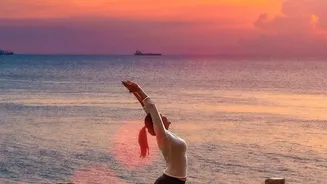
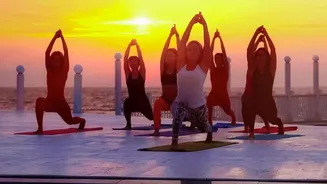
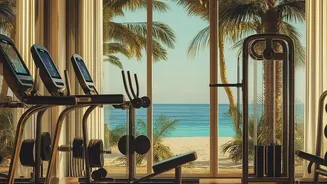
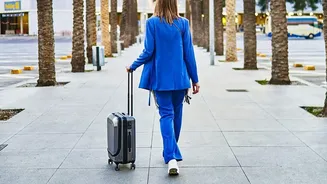
Forget leaving your fitness routine at home. The 'gym-cation' or 'fit-cation' is set to be a major travel trend for 2027. This isn't just about booking a hotel with a dusty treadmill in the basement; it's about planning entire trips around physical activity.
Younger travellers, particularly Gen Z, are driving this shift, viewing holidays as an opportunity to stay active, whether through a morning run in a new city, a local Pilates class, or a dedicated fitness retreat. According to a Skyscanner study, a huge 91% of Gen Z travellers prefer hotels with wellness offerings, and over half of all travellers prioritise hotels with on-site fitness facilities. Mumbai is even emerging as a top global destination for travellers seeking hotel gyms. The motivation goes beyond just physical health; many see it as a way to improve mental wellbeing and explore a new destination more deeply.
Wellness Gets Personal and Purposeful
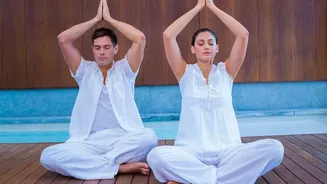
Wellness tourism is projected to become a $1.4 trillion industry by 2027, growing much faster than general tourism. This surge is fuelled by a desire for trips that genuinely rejuvenate mind and body. The new trend is hyper-personalisation. Travellers are moving beyond generic spa packages and seeking out bespoke programmes, from customised nutrition plans and mental health therapies to dedicated sleep retreats. Destinations like Bali and Rishikesh are popular for their yoga, meditation, and holistic healing experiences. The goal is no longer just to relax but to return home feeling fundamentally better and more aligned with personal health goals. This shift reflects a broader societal focus on self-care and preventative wellness as an antidote to modern burnout.
Slow Travel and the 'Analogue' Escape
In a hyper-connected world, the ultimate luxury is presence. A growing movement towards 'slow travel' is a direct response to this. Instead of rushing through multiple cities, travellers are choosing to immerse themselves in a single destination, asking not 'how much can I see?' but 'how deeply can I experience this place?'. This approach supports local economies and reduces the stress that can come from a packed itinerary. Hand-in-hand with this is the rise of 'analogue travel'—a conscious decision to disconnect from screens. People are actively seeking 'off-grid' holidays and digital detoxes to escape routine and be more present in their surroundings. This means more time spent on activities like hiking, reading, or simply enjoying the scenery without distraction.
Growth Getaways and Event-Centric Trips
Travel is increasingly seen as a catalyst for personal growth. These 'growth getaways' are designed to enrich your life long after you've returned home. This can take many forms, from learning a new skill on holiday to travelling for a specific, meaningful event. 'Gig-tripping', or travelling to see a concert or festival, is a major driver of this trend. Likewise, sports tourism is booming, with people planning entire holidays around participating in events like marathons or fitness competitions such as Hyrox. According to one report, over 111,000 athletes have travelled to compete in HYROX races worldwide, up from just 50 in 2018. This shift turns a simple trip into a goal-oriented adventure, combining community, culture, and personal achievement.
AI-Powered Planning and the Search for Trust
While we may be seeking to disconnect on our holidays, technology, particularly artificial intelligence, is set to revolutionise how we plan them. AI is changing the game by offering highly personalised recommendations and helping travellers sift through endless choices to find what truly suits them. However, this doesn't mean the human touch is disappearing. In an era of potential misinformation and geopolitical instability, trust is more important than ever. Travellers are looking for a combination of smart technology and reliable human expertise. According to a 2027 trends report from Hilton, building this 'travel trust equation' will be key, as people seek confidence in their booking decisions more than ever.