




The idea of turning your home into a self-cleaning oasis with a few potted plants is appealing. Many popular houseplants are sold on this promise, but the science behind their air-purifying powers deserves a closer look.
The Origin of the Myth
The belief that houseplants are
powerful air purifiers largely stems from a 1989 NASA Clean Air Study. This research found that, within a small, sealed chamber, certain plants could indeed remove volatile organic compounds (VOCs) like formaldehyde and benzene from the air. This was exciting news, especially for the prospect of maintaining air quality on long-term space missions. However, the conditions of that experiment — airtight and small — are vastly different from the typical home or office, which has constant air exchange from windows, doors, and ventilation systems. More recent analyses have concluded that the air-cleaning effect of plants in a normal room is negligible compared to simple ventilation. You would need a forest-like density of plants, perhaps 10 to 1,000 per square metre, to replicate the cleaning power of a building's standard air exchange.
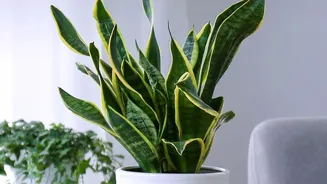
Snake Plant (Dracaena trifasciata)
The Claim: Often topping 'best air purifier' lists, the snake plant is said to filter toxins and uniquely release oxygen at night, making it perfect for bedrooms. The Reality: While the snake plant does perform this special nighttime photosynthesis (called CAM), the amount of oxygen released is tiny and has no noticeable effect on a room's air quality or your sleep. It was one of the plants in the NASA study and did remove chemicals in a sealed box. In a real home, however, you would need an impractical number of them to make a significant dent in pollutants. Its true superpower is its near-indestructible nature; it's a fantastic, low-maintenance plant for beginners, but not a substitute for an air purifier.
Spider Plant (Chlorophytum comosum)
The Claim: The spider plant is celebrated for being a champion at removing formaldehyde from the air. The Reality: Yes, in a sealed lab chamber, the spider plant is effective against formaldehyde. But like the others, its impact in a ventilated living room is minimal. Its real value lies in its resilience and how incredibly easy it is to propagate. The 'spiderettes' it sends out can be easily repotted, allowing you to share the greenery with friends. It's a charming and prolific plant, but opening a window is far more effective for clearing the air.
Peace Lily (Spathiphyllum wallisii)
The Claim: The peace lily is known for its ability to remove a wide range of toxins, including ammonia and benzene, and even reduce airborne mould spores. The Reality: The peace lily's ability to filter toxins has been demonstrated in lab settings. However, the quantity of pollutants it can absorb in a typical home is trivial. While one study noted a reduction in mould spores in a container, relying on it to solve a household mould issue would be a mistake. The more compelling reasons to own a peace lily are its elegant white blooms and its handy ability to droop dramatically when it needs water, making it a great communicator for forgetful plant owners.
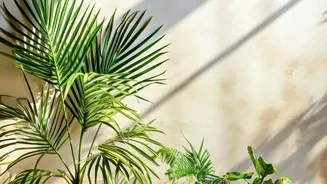
Areca Palm (Dypsis lutescens)
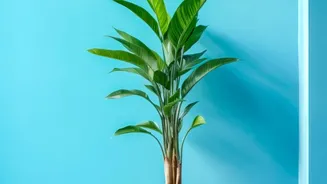
The Claim: As one of the top-rated plants from the NASA study, the areca palm is often promoted as a powerful, all-around air purifier and natural humidifier. The Reality: The areca palm does have a high transpiration rate, meaning it releases a good amount of moisture into the air, which can help combat the dryness caused by air conditioning. This makes it a decent natural humidifier. However, its toxin-removal abilities are subject to the same realworld limitations as the other plants. It brings a wonderful tropical vibe to a room, but it requires bright, indirect light and consistent watering, making it a more demanding choice than others on this list.
English Ivy (Hedera helix)
The Claim: English ivy is often singled out for its supposed ability to filter out specific particulates like airborne mould and even fecal matter. The Reality: These specific claims come from a 2005 study where ivy in a container dramatically reduced these particles. However, experts remain skeptical about its effectiveness in an entire room, and the EPA notes there's no strong evidence that houseplants can significantly remove pollutants in a home. While it can remove VOCs like benzene in a lab, its realworld impact is unclear. Furthermore, English ivy is toxic to pets and can be an invasive species if planted outdoors in some regions.