






The Paradise Paradox
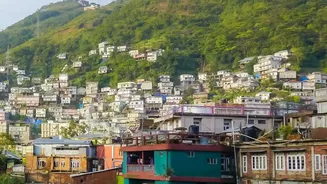
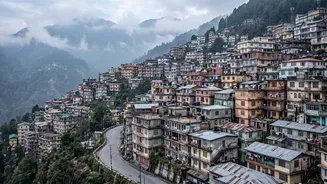
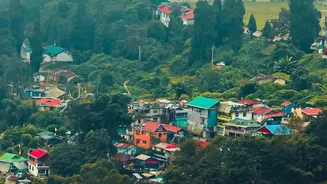
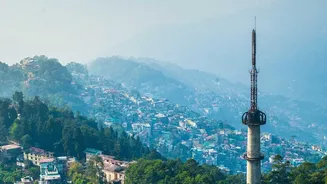
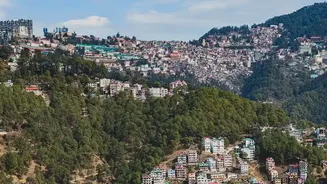
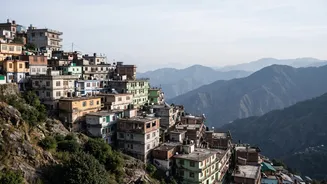
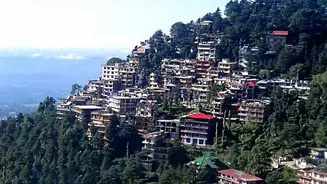
The very popularity of destinations like Shimla, Manali, Mussoorie, and Darjeeling is becoming their undoing. Originally designed as quiet colonial-era retreats for a few thousand people, these towns are now buckling under the pressure of millions of annual
visitors. Shimla, for instance, was built for a population of 25,000 but now grapples with numbers far exceeding this, especially during peak season. The story is similar across the Himalayas, where a sixfold increase in tourist arrivals over two decades has turned idyllic landscapes into gridlocked urban centres. The most visible symptoms are legendary traffic jams that can last for hours and a sea of vehicles clogging narrow, winding roads never built for such volumes.
An Ecosystem Under Strain
Beyond the choked roads, a more severe crisis is unfolding. Overtourism is putting immense pressure on fragile mountain ecosystems. Unchecked construction of hotels and guesthouses, often with little regard for environmental regulations, has led to widespread deforestation and destabilised slopes, increasing the risk of landslides. Water scarcity has become a critical issue, as the surge in tourist demand overwhelms the natural springs and limited groundwater that these towns rely on. This often results in severe shortages for local residents. Waste management is another enormous challenge; managing garbage at high altitudes is difficult, and tourist seasons produce mountains of plastic bottles and other non-biodegradable trash that choke rivers and forests.
The Double-Edged Sword of Livelihood
The dilemma for these hill stations is that tourism is also their economic lifeline. For many local communities, the influx of visitors provides essential income through hotels, restaurants, transport, and shops. However, this dependency creates a difficult balancing act. The benefits are not always evenly distributed, and the social fabric is also changing. Rising prices and a shift from traditional culture to commercialised entertainment can strain local communities. This has led to growing friction between frustrated residents and tourists, with arguments over parking and resources becoming more common. The challenge is to manage tourism in a way that supports livelihoods without destroying the environment and quality of life that attracted people in the first place.
Is There a Way Forward?
Experts and authorities agree that the current model is unsustainable. The core issue is that many hill stations have far exceeded their 'carrying capacity'—the maximum number of people an environment can support without being degraded. Proposed solutions focus on moving from high-volume, low-value tourism to a more sustainable model. This includes enforcing visitor caps based on scientific assessments of carrying capacity and requiring pre-registration for popular destinations. Another key strategy is diversification, which involves developing and promoting lesser-known destinations to spread the tourist load more evenly. Strengthening infrastructure, especially for waste management and water, and promoting eco-friendly practices like community-based homestays and banning single-use plastics are also seen as crucial steps.