









What Are These New Rules?
The Ministry of Power has released a revised draft of the Corporate Average Fuel Economy norms, known as CAFE-III. Proposed to take effect from April 1, 2027, these rules set progressively stricter fuel efficiency and carbon emission targets for all passenger
vehicles sold by a manufacturer in India. Think of it not as a rule for a single car model, but as an average grade for a company's entire yearly sales. The goal is to make the entire fleet of new cars sold in the country more fuel-efficient over time, reducing India's reliance on imported oil and cutting down on pollution. This new draft is currently open for public feedback until August 6, 2026, before the rules are finalized.
How Does Offsetting Actually Work?
The core of the new proposal is a system of credits and debits. Each carmaker has a fleet-wide fuel efficiency target to meet. If a company sells a mix of cars that, on average, is more efficient than the target, it earns compliance credits. Conversely, if its fleet average is below the target—perhaps due to high sales of popular but heavier SUVs—it accumulates debits. The draft rule allows companies to 'offset' these debits in a few ways. They can use credits earned in a previous year or, more significantly, they can trade them. A manufacturer with surplus credits (perhaps from selling lots of EVs and hybrids) can sell them to another manufacturer that is falling short. This creates a market-based system designed to provide flexibility.
A Lifeline for SUVs and a Boost for EVs
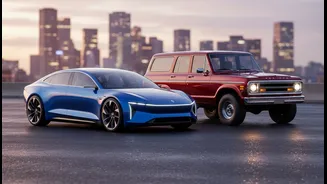
This offsetting mechanism offers automakers significant strategic flexibility. It allows them to continue selling popular, high-margin vehicles like large SUVs, even if they don't meet the strictest efficiency standards on their own. As long as the company can balance these sales by also selling enough highly efficient cars—like hybrids, EVs, or flex-fuel models—they can meet their overall target. The rules provide extra incentives, or 'super credits,' for selling these cleaner vehicles, making them even more valuable for balancing the books. This system avoids forcing a specific technology on manufacturers, instead encouraging a portfolio approach. A company could choose to engineer more efficient petrol engines, push hybrid sales, go all-in on EVs, or buy credits from a competitor to comply.
What Does This Mean for Car Buyers?
The impact on consumers will be multifaceted. In the long run, the CAFE-III norms are designed to push manufacturers to offer more fuel-efficient models, which could lead to lower running costs for car owners. However, there might be upfront costs. The investment in new technologies like hybrids, advanced engines, and lightweight materials could be passed on to the buyer, potentially increasing sticker prices for some models. The policy's flexibility means that consumer choice should remain broad. You will still likely find a range of petrol-powered SUVs, but you may also see a wider and more competitively priced selection of hybrids and EVs as companies seek to earn valuable compliance credits. The draft also gives credit for efficiency-boosting features like tyre-pressure monitoring systems and regenerative braking, which could become more common.
The Road Ahead
This is still a draft, and the government is actively seeking feedback from automakers, industry bodies, and the public before the August 6 deadline. Industry experts have noted that the revised draft appears to be more balanced than earlier proposals, relaxing some of the most stringent targets while still pushing for significant improvements. The phased approach, with targets tightening progressively until 2032, gives manufacturers a clear roadmap to plan their investments. The final version of these rules will play a crucial role in shaping India’s auto market for the next decade, influencing everything from the price of a small hatchback to the availability of large family vehicles and the speed of the country's transition to electric mobility.