





The Celebrity-Fueled Comeback
From Bollywood stars like Mira Rajput Kapoor and Shobhita Dhulipala to international influencers, the praise for raw milk as a skincare saviour is growing louder. It's often promoted as a simple, effective toner or cleanser that can hydrate skin, fade
acne marks, and impart a natural radiance. This taps into a powerful desire for 'clean' beauty and a return to traditional, kitchen-based remedies. The idea is compelling: if an ingredient is natural enough to eat, it must be gentle enough for your face. This back-to-basics approach feels authentic and accessible, a welcome contrast to complex, multi-step routines with expensive, chemical-laden products.
The Science Behind the Glow
There is some science to support the claims, at least in theory. Milk's most celebrated component for skincare is lactic acid, a type of alpha-hydroxy acid (AHA). AHAs are darlings of the beauty world, known for their ability to gently exfoliate the skin by dissolving the bonds between dead cells. This process can reveal a brighter, smoother complexion underneath. In addition, the fats and proteins in milk can act as natural moisturisers, helping to hydrate the skin and support its protective barrier. With vitamins like A and D also present, milk appears to be a nourishing cocktail for the skin.
A Major Warning from Dermatologists
Despite the potential benefits, skincare experts and health authorities issue a strong word of caution. The primary concern is not about the milk itself, but what's in it. Raw, unpasteurised milk can be a breeding ground for harmful bacteria, including Salmonella, E. coli, Listeria, and Campylobacter. Pasteurisation is the process of heating milk to kill these dangerous pathogens. While these germs can cause serious foodborne illness when ingested, applying them directly to your skin is also risky. This is especially true for anyone with acne, eczema, or even tiny, imperceptible breaks in their skin, as it creates a direct entry point for infection. This could lead to inflammation, severe breakouts, or more serious skin infections. Even farms with high hygiene standards cannot guarantee their raw milk is free of contaminants.
Safer Paths to the Same Goal
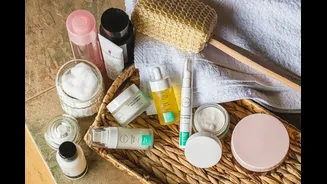
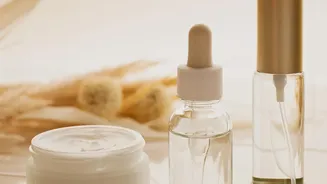
So how can you get the exfoliating and brightening benefits of lactic acid without the bacterial risk? The answer lies in professionally formulated skincare products. Today's market is filled with cleansers, toners, and serums that contain purified lactic acid in controlled, effective concentrations. These products are designed to deliver the benefits of the AHA without the risk of introducing harmful microbes to your skin. They are stable, have a longer shelf life, and are often formulated with other beneficial ingredients to soothe and hydrate the skin, mitigating potential irritation. For those seeking natural alternatives, options like unsweetened almond milk or oat milk in DIY masks can offer some soothing properties without the same level of bacterial risk associated with raw dairy.