




The Allure of Drinkable Beauty
The idea of achieving radiant skin, stronger hair, and tougher nails from a daily drink is undeniably appealing. This 'beauty from within' trend has exploded, filling shelves with powders and potions that promise a convenient shortcut to wellness. Brands
market these elixirs as a synergistic boost to your topical skincare routine, working on a cellular level. The core premise is that by ingesting specific nutrients, you can support your body's natural beauty functions. But with so many options, from antioxidant-rich teas to protein-packed powders, it’s hard to know what’s a scientifically supported supplement versus just a tasty, expensive habit.
Collagen: The Plumping Protein
Collagen is the most abundant protein in our bodies, providing structure and firmness to our skin. As we age, our natural production declines, leading to wrinkles and sagging. Collagen drinks, which typically contain hydrolyzed collagen peptides, aim to replenish this loss. Research suggests there's some merit to this. Multiple studies, including several meta-analyses, have found that regular supplementation can improve skin hydration, elasticity, and reduce the appearance of wrinkles. For these peptides to be effective, they need to be broken down, absorbed, and then used by the body to stimulate its own collagen production. While promising, it's not a miracle cure, and dermatologists note that a healthy lifestyle is crucial to seeing any benefits.
Matcha: The Antioxidant Powerhouse
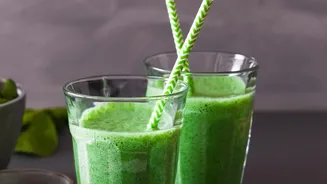
Matcha, a finely ground powder of specially grown green tea leaves, is celebrated for its high concentration of antioxidants. These compounds, particularly catechins like EGCG, help protect the skin from damage caused by free radicals from pollution and UV rays. Its anti-inflammatory properties may also help soothe irritated or acne-prone skin. While drinking matcha can contribute to your overall antioxidant intake, the benefits for skin are part of a larger picture of a healthy diet. Sipping on matcha green tea can improve blood flow and may give your skin a brighter appearance, but it's important to consume it in moderation to avoid caffeine-related side effects.
Nootropics: A Boost for Brain and Beauty?
Nootropics, or 'smart drugs', are compounds intended to enhance cognitive function. Their entry into the beauty world is a newer trend, with the connection being less direct. The theory is that by reducing stress and improving mental well-being, nootropics can indirectly benefit the skin. Some ingredients found in nootropic blends, like certain mushroom extracts, have anti-inflammatory or antioxidant properties that could theoretically support skin health. However, the term 'nootropic' is broad, and the market includes everything from well-studied compounds to proprietary blends with little scientific backing. Claims that they directly brighten or clear skin are often based on very limited evidence, making this the most speculative category of beauty drinks.
A Guide for the Skeptical Sipper
If you decide to explore the world of beauty drinks, a healthy dose of skepticism is your best tool. First, read the full ingredient list. Be wary of products with high amounts of added sugar or artificial sweeteners, which can actually harm skin health by damaging collagen. Look for clinically effective doses—for example, studies often use 2.5 to 10 grams of collagen per day. Also, check for third-party testing to ensure the product's purity and potency. Remember that supplements are not regulated with the same stringency as medications. Ultimately, these drinks are just that: supplements. They cannot replace a balanced diet, consistent sun protection, and a solid skincare routine, which remain the foundation of healthy skin.