






Two Conflicting Realities
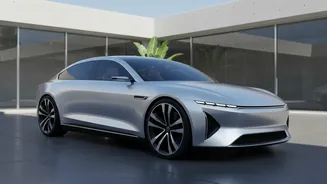
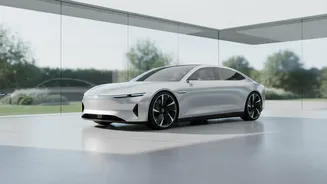
In late June 2026, Lucid Group confirmed it was cutting its US workforce by approximately 18%, affecting around 1,500 employees, from factory workers to the C-suite. The move, part of a broader restructuring, even saw the elimination of the Chief Operating
Officer position. The stated goal was to streamline the company, align production with demand, and trim costs to the tune of about $158 million annually. This was the second major layoff for Lucid in 2026, following a 12% cut earlier in the year. Yet, this painful downsizing comes as Lucid’s primary financial backer, Saudi Arabia’s Public Investment Fund (PIF), reinforces its commitment. While the headline mentions a Prince's purchase, the larger story is the PIF's ongoing support. An affiliate of the PIF, Ayar Third Investment Company, recently completed a purchase of $550 million in convertible stock. This deep-pocketed support seems at odds with the need for such drastic employee cuts.
The Saudi-Lucid Strategic Alliance
To understand these moves, one must look at the deep relationship between Lucid and Saudi Arabia. The PIF is not just a passive investor; it is a majority shareholder with a controlling stake of over 56%. This partnership is a core component of Saudi Arabia's 'Vision 2030' plan to diversify its economy away from oil. The fund has invested billions since 2018 to ensure Lucid's success, including funding the establishment of Lucid's first international car factory in Saudi Arabia. The PIF's goal is not quick returns, but to build a global luxury EV brand and an entirely new manufacturing industry within the Kingdom. This long-term vision means the PIF is willing to weather short-term storms and fund the company through difficult periods.
A Reality Check for the EV Market
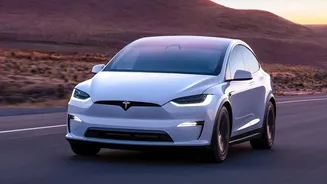
Lucid is not operating in a vacuum. The entire electric vehicle market, particularly the high-end luxury segment, is facing a cooldown. After years of explosive growth, demand has softened due to high interest rates, persistent inflation, and intense price wars started by market leaders like Tesla. Automakers across the board are finding that production has outpaced sales, leading to elevated inventory. Lucid itself acknowledged the need to align production with anticipated demand. In this tougher climate, the focus for all EV startups has shifted from 'growth at all costs' to a more sustainable path towards profitability. For Lucid, this means becoming a leaner, more efficient organization, even with billions in backing.
Two Sides of the Same Strategy
Ultimately, the layoffs and the investments are two sides of the same strategic coin. The workforce reduction and restructuring are painful but necessary steps to cut the company's high cash burn rate and extend its financial runway. The company reported a net loss of $2.7 billion in 2025, highlighting the urgent need for cost discipline. The fresh capital injection from the PIF, meanwhile, is the fuel that allows the company to execute this pivot. It provides the security to make hard choices, streamline operations, and continue investing in crucial future projects, like the upcoming mass-market Lucid Cosmos SUV. The PIF isn’t just giving Lucid a blank cheque; it is funding a strategic overhaul designed to make its massive investment viable in the long run.