





We all have a travel daydream list—those far-flung, unique destinations we explore online. A new report from Agoda confirms this aspirational searching, revealing a fascinating gap between where we want to go and where we actually book.
The 55% 'Hidden Gem' Finding
Digital travel
platform Agoda has unveiled its 2027 Asia Travel Pulse, and one statistic stands out: 55% of Indian travellers plan to visit a lesser-known, 'offbeat' destination in the coming year. This figure is the highest in Asia, significantly above the regional average of 36%. It highlights a powerful trend where Indian tourists are showing a strong and growing desire to venture beyond the usual hotspots, seeking unique experiences in places that aren't on every travel influencer's feed. This finding, based on a survey of over 3,300 travellers, points to a clear distinction between the aspirational, adventurous spirit seen in our travel searches and the more practical decisions that often guide our final bookings.
What 'Offbeat' Really Means
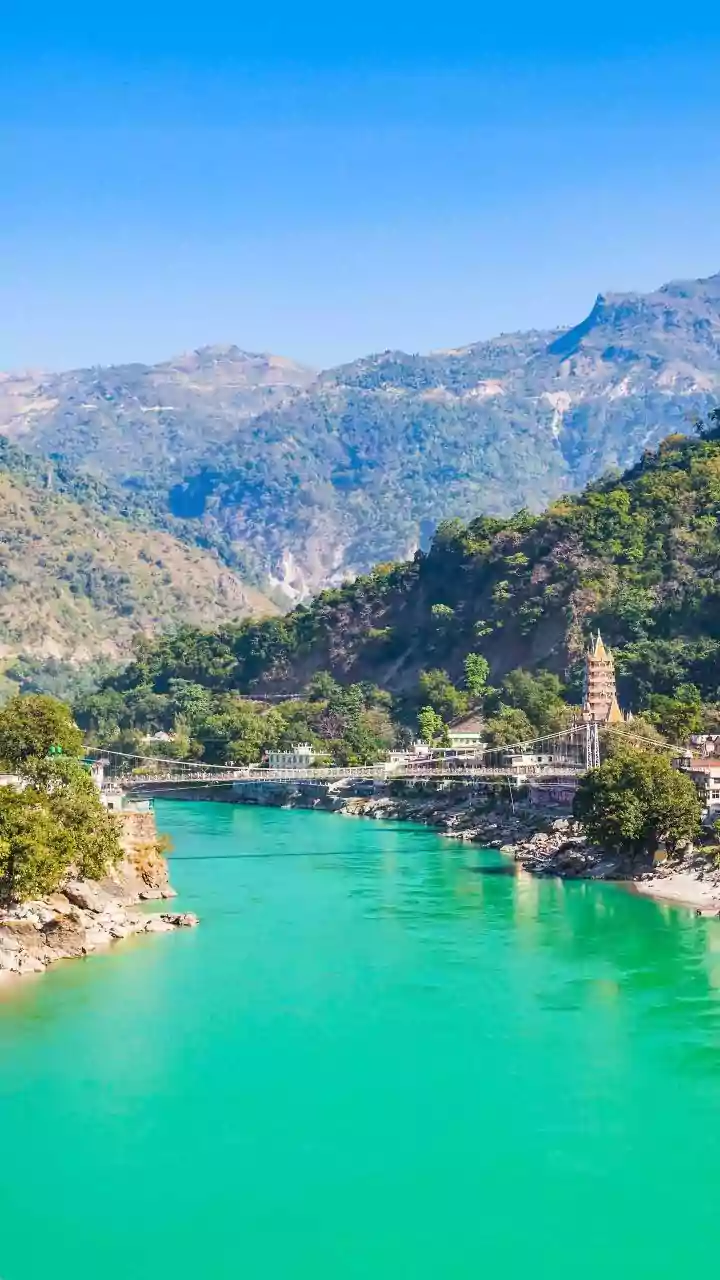
So, what are these 'hidden gems' that travellers are dreaming about? According to Agoda's search data, interest is surging for destinations that offer unique cultural, spiritual, or natural experiences. For instance, searches for Pushkar have seen a 195% increase, while Dharamshala and Leh have also seen search spikes of 154% and 143% respectively. These locations represent a move towards more intentional travel. Internationally, while destinations like Thailand and Malaysia remain popular, there's growing search interest in secondary cities and less-crowded regions within these countries. The 'offbeat' trend is less about avoiding popular countries altogether and more about exploring them beyond the traditional gateway cities and crowded beaches.
The Gap Between Search and Booking
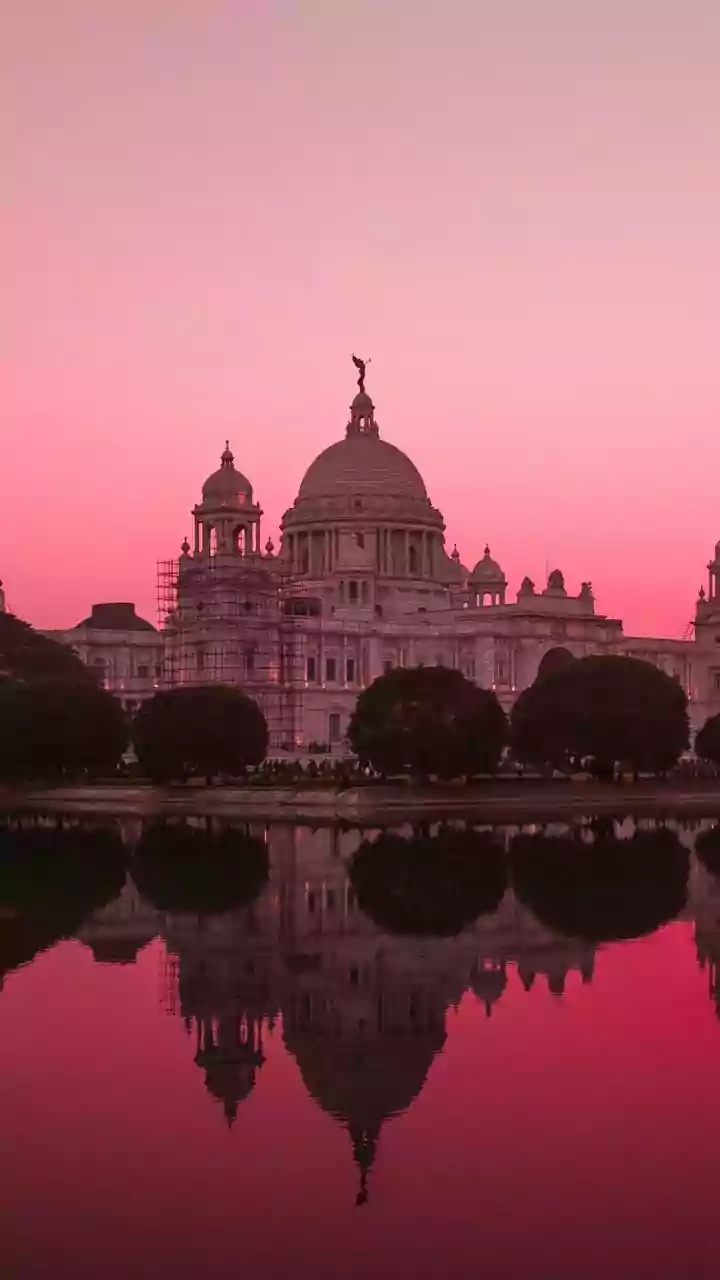
Despite the strong desire for adventure, there remains a significant gap between what we search for and what we ultimately book. While 55% express intent to travel off the beaten path, the most-booked destinations in India remain major metropolitan hubs like New Delhi, Mumbai, Chennai, and Bengaluru, along with perennial leisure favourite Goa. Several practical factors contribute to this discrepancy. Value, convenience, and overall travel costs remain key considerations for most travellers. Well-established tourist destinations often have more reliable transport, a wider range of accommodation options, and more predictable costs. Furthermore, booking flexibility, such as free cancellation and pay-at-hotel options, are high priorities for Indian travellers, features that are more commonly available in established markets.
Why Our Travel Dreams Are Getting Bolder
Even with the practical constraints, the trend toward adventurous searching is undeniable. A key driver is the pursuit of unique experiences. The Agoda report found that 42% of Indian travellers identify outdoor activities and adventure as a primary reason to travel. There is also a remarkably strong inclination towards spiritual journeys, with 14% citing it as a motivation—three and a half times the Asian average. This quest for meaningful experiences is leading people to research destinations that offer more than just a place to relax. The rise of remote work is also enabling longer trips, with 26% of Indians planning to take trips of 8–12 days, allowing more time to explore remote areas.
The Future of Indian Travel
The 55% finding is more than just a statistic; it's a signal to the travel industry. As more travellers seek authenticity, there will be growing opportunities for emerging destinations within India and across Asia. While the big cities will always be popular for their convenience and attractions, the search data shows a clear hunger for what lies beyond. For Indian travellers, the dream of exploring the unexplored is stronger than ever. The challenge now is bridging the gap between that dream and the reality of a booked ticket, as infrastructure improves and lesser–known destinations become more accessible for those ready for an adventure.