




A Tale of Two Mangoes
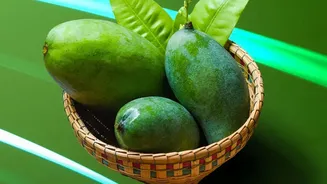
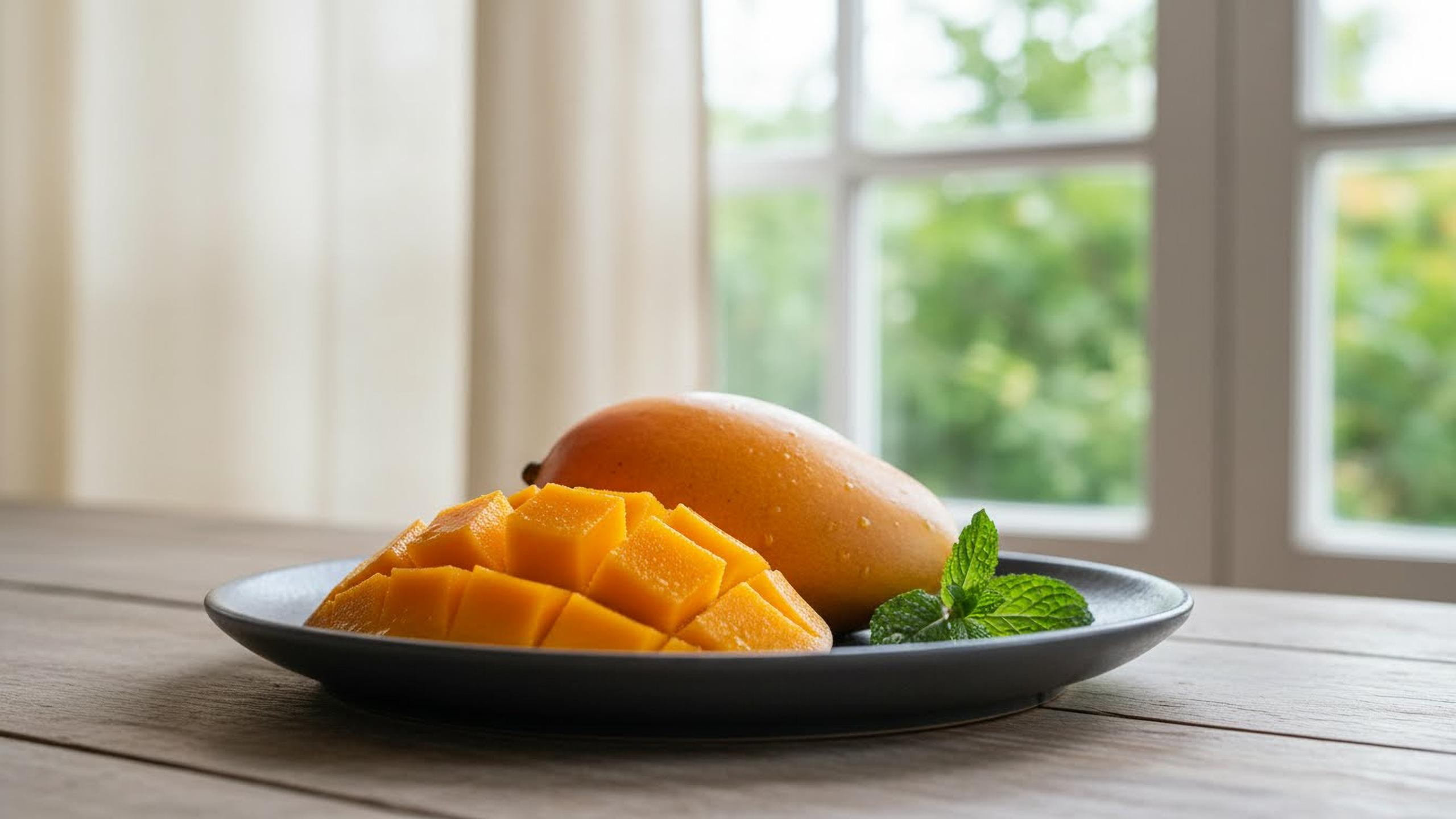
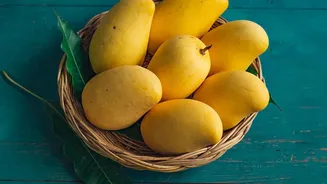
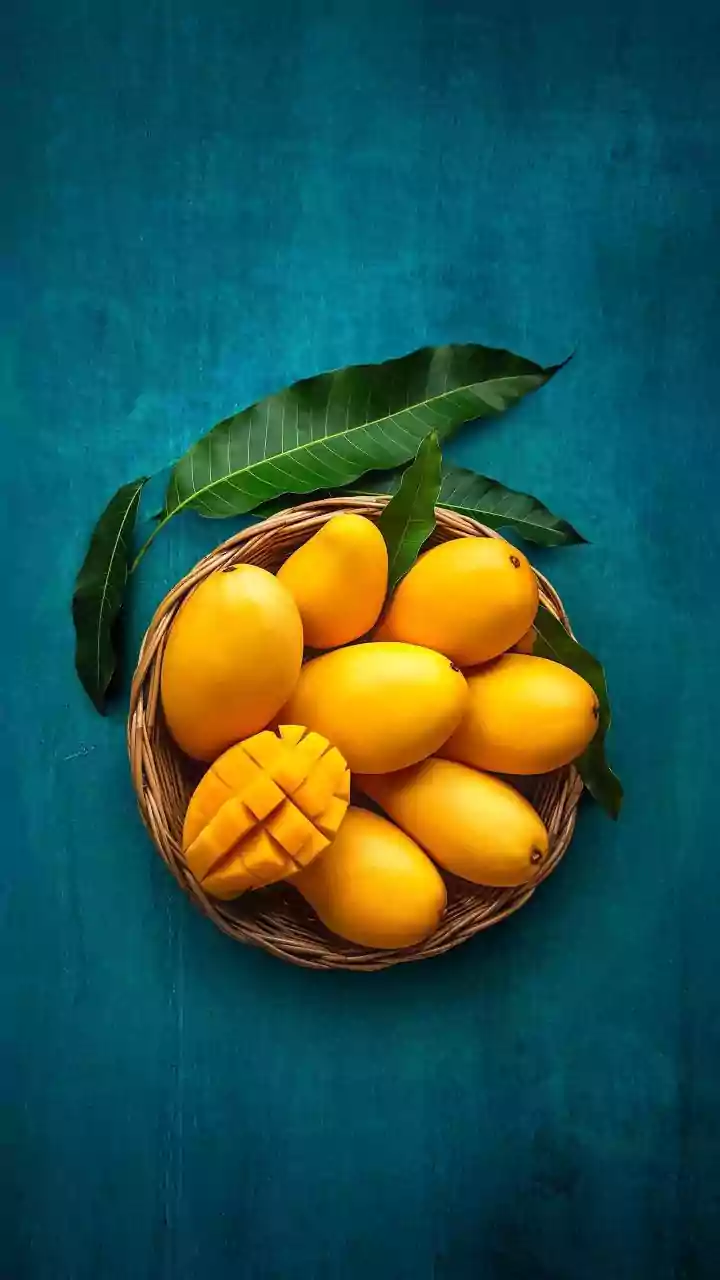
The story of India's agricultural exports often starts with variety. Consider the recent first-ever air shipment of Karnataka's Neelam and Totapuri mangoes to the Maldives in July 2026. These late-season varieties are prized for their unique flavours
— Neelam for its sweet, juicy pulp and Totapuri for its tangy versatility. Selecting the right variety is the crucial first step. Farmers and exporters choose produce not just for taste but for durability and shelf life. The Banganapalle mango, known for its premium quality, was chosen for a sea shipment to Singapore, while the Bhagwa variety of pomegranate is renowned for its export potential due to its rich flavour and colour. But growing a world-class fruit is only half the battle. Without a system to preserve that quality, even the best variety can fail to meet the standards of discerning international markets. This is where the journey gets complicated.
The Race Against the Clock
From the moment a fruit is picked, it begins a natural process of decay. In India, post-harvest losses are staggering, with some estimates suggesting 20-30% of produce is lost before it even reaches a consumer. For highly perishable items like fruits and vegetables, this loss can be even higher, sometimes ranging from 15% to 50%. These losses are not just a matter of spoiled food; they represent a massive economic drain, costing an estimated ₹92,651 crore annually. The culprits are many: mechanical damage from rough handling, heat exposure that accelerates ripening, and natural ethylene gas released by the fruits themselves, which can cause nearby produce to over-ripen. For an exporter, this means the clock is ticking. Every hour spent in transit without proper care diminishes the product's quality, value, and chances of being sold at a premium price.
The Cold Chain Solution
The solution lies in a meticulously managed logistics process known as the 'cold chain'. This isn't just about a single refrigerated truck; it's an unbroken, temperature-controlled journey from farm to consumer. The first international cargo shipment from Navi Mumbai International Airport, carrying fresh guavas to the UAE, relied on a sophisticated cold-chain network to ensure the delicate produce arrived in the same condition it was harvested. The process begins with pre-cooling, where the 'field heat' is removed from the produce immediately after harvest. From there, it moves through temperature-controlled packhouses for sorting and grading, and into refrigerated transport. For the recent trial shipment of pomegranates to the US, the Agricultural and Processed Food Products Export Development Authority (APEDA) collaborated with research institutes to enhance shelf life, a key step before the fruit even began its journey.
Proof in the Final Product
The success of these recent shipments provides clear evidence of this strategy. When the first sea shipment of Banganapalle mangoes arrived in Singapore in June 2026 after a 13-day journey, the importer reported the fruit was in excellent condition, with uniform ripening and sweetness. Similarly, the air shipment of Totapuri and Neelam mangoes to the Maldives showcased how even late-season varieties can find new markets when handled correctly. These successes are not accidental. They are the result of deliberate planning, investment in infrastructure, and collaboration between farmers, exporters, and government bodies like APEDA. By maintaining the cold chain, exporters can switch from expensive air freight to more cost-effective sea freight for longer distances, as demonstrated by the successful sea trials of pomegranates to Australia and the US. This makes Indian produce more competitive and opens up previously inaccessible markets.
A Blueprint for the Future
These shipments are more than just isolated successes; they are a blueprint for the future of Indian agricultural exports. The farmers involved in the Karnataka mango export to the Maldives earned over 50% higher returns compared to selling in local markets. Similarly, the Singapore mango shipment allowed farmers to receive nearly double the domestic price. By focusing on post-harvest management, India can move up the value chain, transforming from a producer of raw agricultural commodities to a reliable supplier of high-quality, value-added food products. This shift not only boosts export revenues but also increases farmer incomes, reduces food waste, and strengthens India's brand on the global stage. As India continues to invest in cold chain infrastructure and advanced logistics, the story of its agricultural exports will be defined not just by what is grown, but by how well it is delivered.