






An Ambition-Fueled Demand
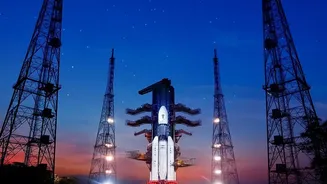
India's space sector is in the midst of an unprecedented expansion. On one hand, the Indian Space Research Organisation (ISRO) is charting an ambitious course with missions like Gaganyaan, a permanent space station, and further planetary exploration.
On the other, a liberalised policy landscape has ignited a private-sector boom, with hundreds of space-tech startups now active. This dual engine of growth has created a supercharged demand for talent. The challenge is no longer just about building rockets, but about building a sustainable, large-scale industry. This requires a workforce far larger and more diverse than what was needed in the past, transforming the next great space race into a race for skilled people.
The Widening Talent Gap
The problem is becoming increasingly visible. ISRO is reportedly facing its most significant manpower crunch in over two decades, with a high number of vacancies across scientific and technical roles. Recent data showed that nearly three out of every ten sanctioned posts in the Department of Space were unfilled. This strain comes at a critical time, with many scientists and engineers being drawn away. The departures are not just a headline number; they represent a drain of invaluable experience from crucial national projects. The government has even taken steps to centralise and review the exit process for personnel on key missions, highlighting the strategic importance of retaining this talent.
More Than Just Rocket Science
The required skillset goes far beyond traditional aerospace engineering. Today's space industry needs a wide array of specialists. Private startups, in particular, are desperately seeking experts in niche fields like propulsion technologies, avionics, robotics, photonics, and sensor development. Furthermore, the explosion of satellite data has created immense demand for software engineers, data scientists, and experts in AI and machine learning to analyse and interpret this information. Many startups report that finding graduates with hands-on, project-ready experience is a major hurdle, forcing them to invest heavily in training new hires from adjacent industries.
A Competitive Ecosystem
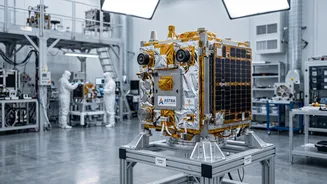
The rise of a vibrant private space sector is a double-edged sword in the talent war. Companies like Skyroot Aerospace, Agnikul Cosmos, and Pixxel are not just building innovative hardware; they are creating attractive career alternatives to the traditional path at ISRO. These startups often offer competitive salaries, equity options, and a fast-paced environment that appeals to young engineers. The space sector also finds itself competing with India's lucrative IT and fintech industries, which often present more attractive compensation packages for top software and data science graduates, pulling talent away before it even considers a career in space.
Building the Future Workforce
Addressing this workforce challenge is now a national priority. The solution involves a multi-pronged approach. Industry leaders and government bodies are calling for stronger partnerships between academia and industry to create more relevant, up-to-date curricula and apprenticeship programs. Initiatives are underway to introduce specialised courses at universities and develop short-term skill-development programs. The Indian National Space Promotion and Authorisation Centre (IN-SPACe) is tasked with nurturing this ecosystem, which includes fostering talent. Prime Minister Narendra Modi has even voiced the ambition to turn India into a global magnet for space careers, attracting the best from around the world.