






Beyond the Big-Ticket Sighting
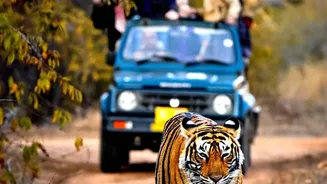
For many, a safari is a checklist. Tiger? Check. Rhino? Check. It’s an approach that, while exciting, can often miss the forest for the trees. The real story of a protected area is not just in its star species, but in the intricate web of life that supports
them. This is the domain of environmental interpretation—the art of revealing the meaning behind the scenery. A ranger or a naturalist guide is the ultimate interpreter. They transform a simple drive through the jungle into a narrative experience. That distant alarm call of a deer is no longer just a sound; it's a warning that a predator is near. A scratch mark on a tree becomes a territorial signpost. Through their eyes, the landscape stops being a passive backdrop and becomes a living, breathing entity full of secrets and stories waiting to be told.
The Forest's Living Encyclopedia
Forest rangers and guides possess a staggering depth of knowledge that no book or documentary can replicate. This knowledge is earned through thousands of hours spent on foot, observing, listening, and understanding the rhythms of the ecosystem. They can identify a bird by a flash of its wing, name a plant by the shape of its leaf, and interpret the subtle signs of animal movement that are invisible to the untrained eye. Their expertise goes beyond just flora and fauna. They are often storytellers of local culture and history, explaining how communities have coexisted with the wild for generations. This process forges an intellectual and emotional connection between the visitor and the place, fostering a genuine appreciation that goes far beyond a photograph. It’s the difference between looking at a painting and having the artist explain the meaning behind every brushstroke.
Fostering a Culture of Conservation
A great guide does more than just inform; they inspire. By explaining the delicate balance of the ecosystem and the threats it faces, they become powerful advocates for conservation. When a visitor understands why a particular habitat is crucial or learns the story of a rescued animal, they are more likely to become invested in its protection. This educational role is a cornerstone of responsible eco-tourism. The revenue from guided tours often directly funds conservation projects, including habitat restoration and anti-poaching initiatives. By choosing a guided experience, visitors are not just passive observers but active participants in the preservation of India's natural heritage. This fosters a sense of responsibility and transforms a holiday into a meaningful contribution to the environment.
Guardians on the Frontline
The role of a forest ranger extends far beyond guiding tourists. They are the guardians of these precious ecosystems, often working under incredibly difficult and dangerous conditions. They patrol vast, remote areas to prevent illegal activities like poaching, timber smuggling, and encroachment. These frontline workers face threats not only from armed poachers and smugglers but also from wildlife encounters and harsh terrain. In fact, India has been cited as one of the most dangerous countries for forest staff, who work with limited resources and support. When you engage with a ranger, you are interacting with someone who risks their life to protect the very wilderness you are there to enjoy. Their work is a silent, often uncelebrated service that ensures these natural treasures survive for future generations to experience.