


The Ash Cloud That Grounded the World
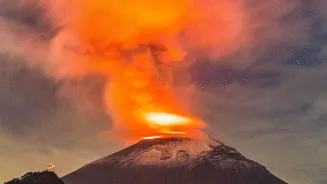
In April 2010, a volcano with a nearly unpronounceable name—Eyjafjallajökull—erupted in Iceland. While the eruption itself wasn't colossal in geological terms, its impact was magnified by two factors: its location and the nature of its ash. The eruption occurred
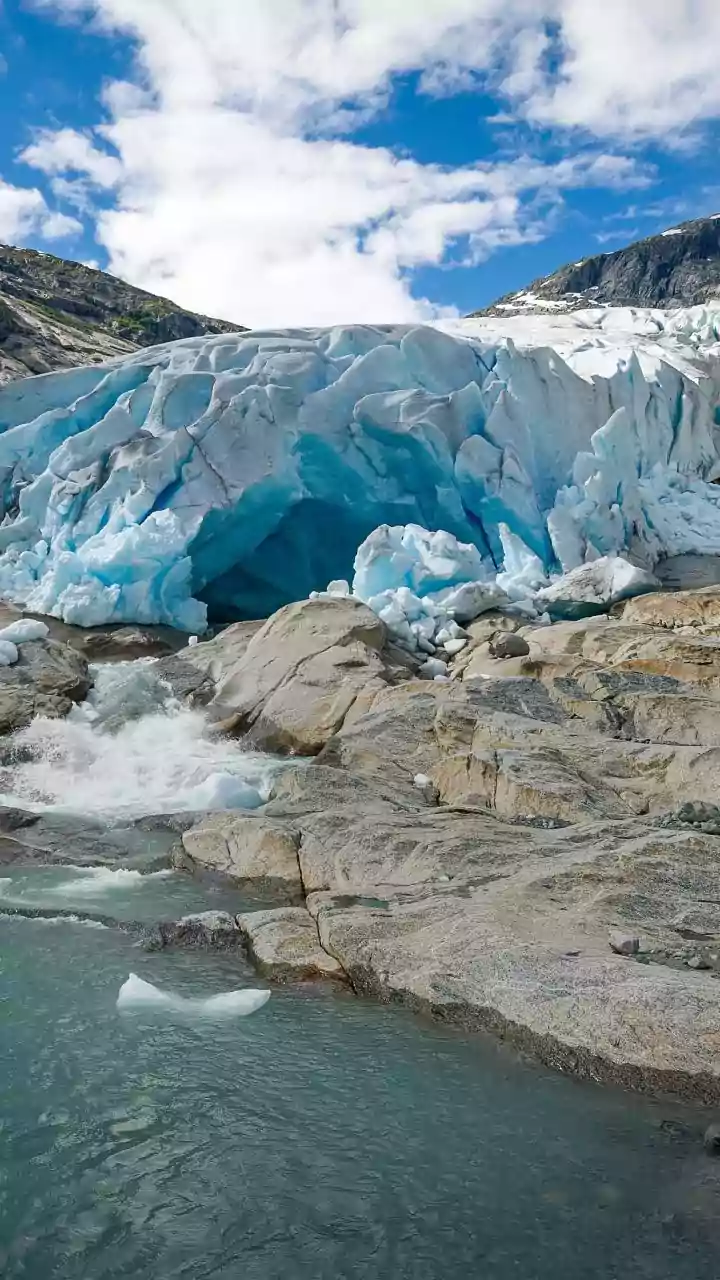
under a glacier, and the interaction between hot magma and cold meltwater created a plume of fine, abrasive volcanic ash. This ash was then carried by an unusually stable jet stream directly into some of the world's busiest airspace over Europe. The result was the largest shutdown of air traffic since World War II. Over an eight-day period, more than 100,000 flights were cancelled, stranding an estimated 10 million passengers. The economic toll was staggering, with the airline industry losing around US$1.7 billion in revenue. The event was a stark lesson in global vulnerability, demonstrating how a remote natural event could halt international travel and cripple supply chains, with total impacts on the global economy estimated at US$5 billion.
A Shockwave Felt Around the Globe
Twelve years later, on January 15, 2022, the planet witnessed the largest explosive eruption of the century. The underwater Hunga Tonga-Hunga Ha'apai volcano unleashed a blast equivalent to the infamous 1883 Krakatoa eruption. It was the biggest atmospheric explosion ever recorded by modern instruments, generating a pressure wave that circled the Earth four times over six days. The immediate effects included a devastating tsunami that struck Tonga and reached shores as far away as Peru and Japan. But its most unique global consequence was the sheer amount of water vapour—an estimated 150 million tons—it blasted into the stratosphere. This unprecedented injection of water, a greenhouse gas, temporarily disrupted atmospheric chemistry, causing localized ozone depletion and even leading to a slight, transient cooling of the stratosphere itself.
Disrupting a Digital Planet
The Tonga eruption also highlighted a modern vulnerability: our dependence on global communications. The force of the eruption severed Tonga's single subsea fibre-optic cable, cutting the nation off from the world. The massive ash plume also interfered with satellite communications, leaving the country digitally isolated during a major crisis. But the effects weren't just local. The atmospheric pressure waves from the eruption were found to have triggered 'plasma bubbles' in the ionosphere, the upper layer of the atmosphere crucial for satellite signals. These disturbances degraded the performance of GPS and other satellite-based communication systems thousands of kilometres away, demonstrating a direct link between a geological event on the Earth's surface and the stability of our orbital infrastructure.
The Subtle Connection to Climate
Large volcanic eruptions are often associated with global cooling. This happens when they inject massive amounts of sulfur dioxide into the stratosphere. The gas converts into sulfate aerosols that reflect sunlight back into space, which can lower global surface temperatures for one to three years. The 1991 eruption of Mount Pinatubo, for instance, cooled the planet by about 0.6°C. However, the 21st-century eruptions have shown this is not a universal rule. While the sulfur from Hunga Tonga-Hunga Ha'apai did have a minor cooling effect, this was complicated by the massive warming potential of the water vapour it also released. Scientists concluded that the eruption was not responsible for the record-high global temperatures in 2023-2024, but it served as a powerful case study in how different volcanic emissions can have competing effects on the global climate system. Eruptions can also influence regional weather, such as by altering monsoon patterns.