



Understanding the Ginger Compress
A ginger compress is a form of heat therapy that uses a towel soaked in hot water infused with fresh ginger. This practice is popular in many traditional medicine systems, including macrobiotics and Ayurveda, for its ability to stimulate circulation and ease
discomfort. The combination of moist heat and the active compounds in ginger, such as gingerols, is believed to help relieve muscle tension, reduce inflammation, and promote a sense of deep relaxation. It’s a simple, low-cost way to target specific areas of the body, like sore shoulders, stiff joints, or a tense lower back.
What You Will Need
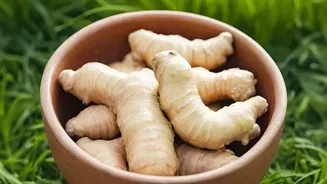
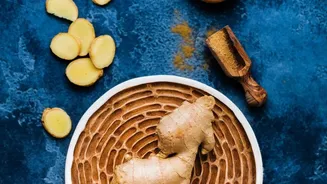
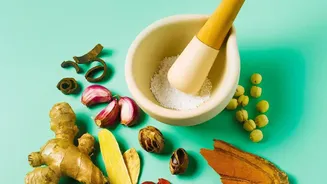
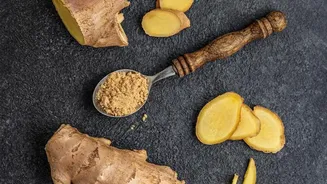
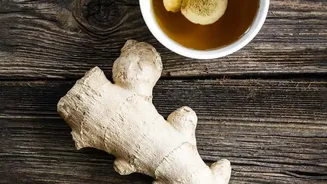
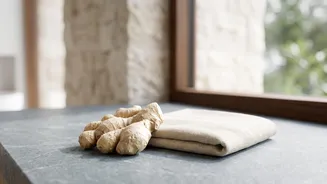
Creating a ginger compress at home requires only a few simple items. Before you begin, gather the following: A large piece of fresh ginger root (about a handful or a large knob). It is important to use fresh ginger, not dried powder, for the best results. A pot with about two litres of water. A grater or sharp knife. A small cotton bag, cheesecloth, or a clean sock to hold the ginger. * Two small cotton towels and one larger, dry bath towel.
Step-by-Step Preparation
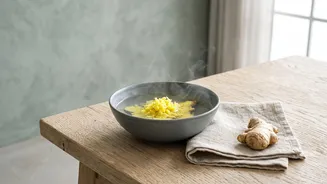
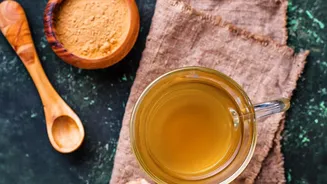
First, wash and coarsely grate the fresh ginger. You don't need to peel it. Place the grated ginger inside your cheesecloth or cotton bag and tie it securely. Bring the water to a boil in your pot, then reduce the heat to a low simmer. Submerge the ginger pouch into the hot water and let it steep for about 5 to 10 minutes. The water should become fragrant and slightly coloured. Keep the pot on a very low heat to maintain the temperature throughout the process.
Application and The Ideal Duration
The key to an effective ginger compress is maintaining a consistent, comfortable heat. Dip one of the smaller towels into the hot ginger water. Using rubber gloves or tongs to protect your hands, carefully wring out the excess water until the towel is damp but not dripping. Before placing it on your body, test the temperature on a less sensitive area, like your forearm, to ensure it is not scalding hot. Apply the warm towel to the affected area. Cover it immediately with a dry towel and then the larger bath towel to insulate and trap the heat. Most sources suggest leaving the compress on for a total of 15 to 30 minutes. However, this is not a single application. You should swap out the towel every 5 to 8 minutes, or whenever it begins to cool, with a freshly soaked one from the pot. Repeating this process 3 to 4 times within one session keeps the area consistently warm and allows for better penetration. The skin should appear pink and feel warm when you are done.
Potential Benefits and Uses
Ginger compresses are most commonly used to relieve both chronic and acute pain. The warming action helps to increase local blood flow, which can flush out metabolic waste from sore muscles and deliver fresh oxygen and nutrients to the tissues. Many people find relief from conditions like arthritis pain, menstrual cramps, backaches, and general muscle stiffness. The therapy is thought to work by targeting inflammation pathways and stimulating sensory receptors in the skin, which may help interrupt pain signals being sent to the brain. It’s a soothing ritual that can also promote overall relaxation and well-being.
Important Safety Precautions
While generally safe, there are important precautions to take. The most critical is to avoid burns by carefully testing the towel’s temperature before each application. Do not use a ginger compress on infants, young children, or during pregnancy without professional advice. It should not be applied over open wounds, the spine, the site of previous spinal injections, or on individuals with a high fever. If you experience any skin irritation or an allergic reaction, discontinue use immediately. Some sources recommend using the compress no more than once a day or a few times a week. Always listen to your body and stop if you feel any significant discomfort.