





We all have that travel dream board, filled with exotic, far-flung locales. But how often do those dreams translate into actual tickets? A recent Agoda report puts a number on that gap, revealing a fascinating truth about our travel habits.
The 55% Finding Explained
Digital travel
platform Agoda recently released its '2027 Asia Travel Pulse' report, and one statistic stood out for Indian travellers. The survey, conducted across 11 Asian markets, found that a remarkable 55% of Indian travellers are likely to choose a lesser-known, 'offbeat' destination in the coming year. This figure is significantly higher than the Asian average of just 36%, positioning Indians as the most adventurous travellers in the region for 2027. This finding points to a strong and growing desire to escape crowded tourist hotspots in favour of more unique and unexplored places.
The Search for Adventure and Soul
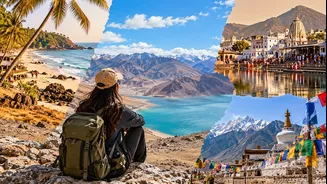
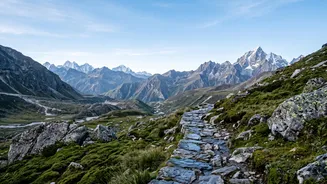
So, where are Indian travellers dreaming of going? The data highlights two major motivations: adventure and spirituality. According to Agoda, 42% of Indian travellers cite outdoor activities as a key reason for their trips, one of the highest rates in Asia. This is reflected in search data, which shows surging interest in mountain destinations like Leh, Kasol, and McLeod Ganj. At the same time, spiritual journeys are a powerful driver, with 14% of Indians travelling for religious or spiritual purposes—more than triple the regional average of 4%. This has led to huge search increases for destinations like Pushkar (up 195%) and Prayagraj (up 233%).
The Reality: Where Searches and Bookings Diverge
While the appetite for the unconventional is strong, the headline doesn't tell the whole story. The 55% figure represents likelihood and interest—the 'dreaming' phase of travel planning. The journey from a search query to a confirmed booking is where aspiration often meets practical friction. The psychology of travel planning shows that the act of researching and imagining a trip provides its own happiness boost, independent of the actual booking. However, when it comes time to commit, factors like budget, safety, convenience, and time constraints tend to pull travellers back towards more familiar, accessible, and predictable destinations.
Why the Gap Between Dream and Destination?
Several factors explain why a search for a remote mountain monastery might end in a booking for a popular beach resort. Cost is a primary driver; Agoda's report notes that lower travel costs would be the biggest encouragement for travellers to choose a hidden gem. The comfort of established tourist infrastructure, the ease of finding reliable reviews, and the influence of family and friends also play significant roles. For many, the mental load of planning a trip to a truly offbeat location—with its uncertainties around transport, accommodation, and safety—can feel overwhelming, leading them to opt for a path more travelled. While a majority of travellers now use AI to help plan, most still want the final say and prefer to book themselves, adding to the planning burden.
Bridging the Aspiration Gap
Despite the gap between searches and bookings, the strong intent to explore offbeat locations is a powerful trend that is reshaping Indian travel. Travellers are becoming more intentional, seeking unique experiences over generic ones. The report also shows a move towards longer stays, with 26% of Indians planning trips of 8–12 days, suggesting a desire to properly immerse themselves in a destination rather than just seeing the sights. This indicates that while practical hurdles remain, the Indian traveller's mindset is fundamentally shifting. As lesser–known destinations become more accessible and information becomes more reliable, we can expect to see more of those adventurous searches turn into confirmed, unforgettable trips.