








The Tale of Two Walks
Imagine two scenarios. In the first, you take a 30-minute walk through bustling city streets. You’re navigating traffic, avoiding pedestrians, and surrounded by the noise of sirens and construction. Your senses are on high alert. Now, picture the same
30-minute walk, covering the exact same distance, but this time through a leafy park. You hear birdsong, feel a breeze through the trees, and see shifting patterns of sunlight on the path. The physical effort is identical, but the mental and emotional experience is worlds apart. This isn't just a feeling; it’s a scientifically observed phenomenon known as “green exercise.” Researchers have consistently found that physical activity in natural environments provides greater mental health benefits than the same exercise performed indoors or in urban settings.
Your Brain on Nature: Less Stress, More Calm
One of the most significant benefits of green exercise is its powerful effect on stress. Studies show that spending time in nature can significantly lower levels of cortisol, the body's primary stress hormone. In one study, a 90-minute walk in a natural setting decreased activity in the part of the brain associated with rumination—the repetitive negative thoughts that often fuel anxiety and depression. Participants who took the same walk in an urban environment did not experience this benefit. This suggests that nature provides a unique buffer against mental distress, helping to calm the mind and reduce feelings of tension and anger. Even short bursts of time in a green space, as little as five to twenty minutes, can lead to measurable improvements in mood and a drop in stress hormones.
The Effortless Effort Effect
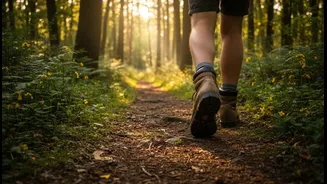
Have you ever noticed that a hike on a trail can feel less strenuous than a similar-length workout on a treadmill? This is another key finding in green exercise research. People often report a lower “perceived exertion” when exercising outdoors. The engaging, dynamic environment of a natural setting acts as a positive distraction. The mind is gently occupied by the sights and sounds, which can make the physical effort feel easier and more enjoyable. This has a powerful knock-on effect: when an activity feels better, we are more motivated to do it again. Exercising in nature has been linked to greater enjoyment and a higher likelihood of sticking with a fitness routine long-term.
Restoring Your Focus
Modern life, with its constant pings, notifications, and demands, puts a heavy tax on our “directed attention”—the kind of focus we use for work, driving, and problem-solving. According to Attention Restoration Theory (ART), natural environments allow this fatigued mental resource to recharge. Unlike the hard-edged stimuli of a city, nature engages us through “soft fascination.” Watching leaves rustle or clouds drift doesn’t demand intense focus but gently holds our attention, allowing our minds to wander and recover. This is why a walk in the park can leave you feeling not just calmer but also mentally sharper, with improved concentration and memory.
How to Weave Green Exercise into Your Life
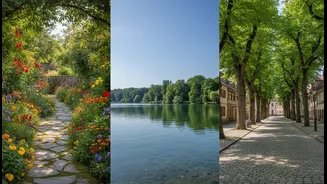
You don't need to plan an elaborate wilderness trek to reap these rewards. The benefits of green exercise are accessible to everyone, even in an urban landscape. Start by making small, intentional swaps. Instead of walking on a treadmill, find a local park. If you're meeting a friend for a coffee, suggest a walk-and-talk through a tree-lined neighbourhood instead. Even a small patch of green, like a community garden or a waterside path, can make a difference. The key is to consciously choose nature when you can. Pay attention to your senses—the smell of the plants, the sound of the wind, the feeling of the sun—to deepen the restorative experience.