

A Beloved Vrat Staple
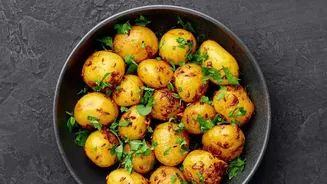
During the month of Sawan, many devotees observe fasts, particularly on Mondays (Somwar). The diet shifts to 'vrat ka khana', food permissible for fasting, which excludes grains, lentils, onions, and garlic. In this culinary landscape, the humble potato
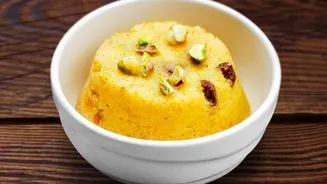
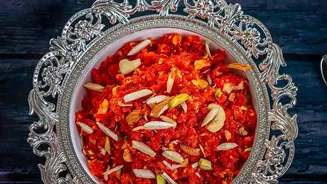
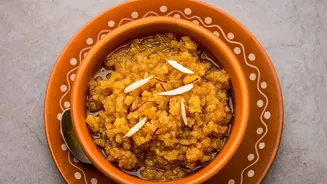
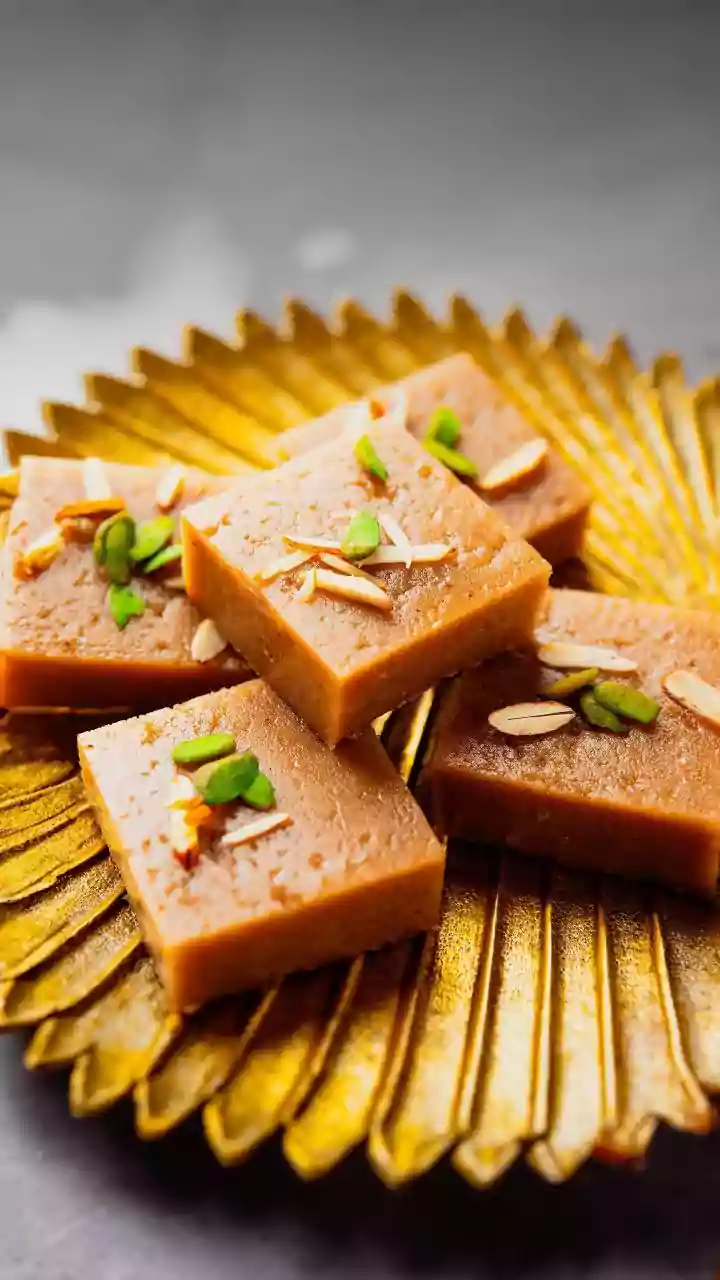
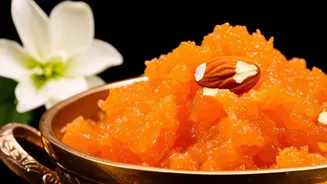
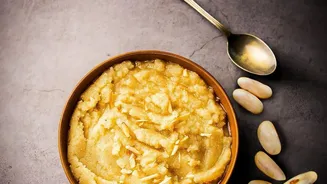
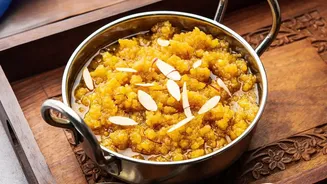
becomes a hero. It is versatile, filling, and provides sustained energy. While savoury potato dishes are common, the star dessert is undoubtedly Aloo Halwa. This sweet pudding, popular across North India, is a comforting and indulgent treat made from simple ingredients: potatoes, ghee, sugar, and milk, often flavoured with cardamom and nuts. It's the perfect way to conclude a day of fasting on a sweet, satisfying note.
The Common Pitfall: Sticky and Raw
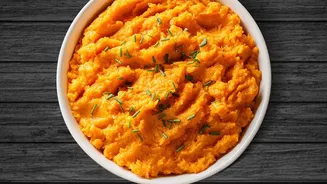
Many who attempt aloo halwa at home end up with a disappointing result. Instead of a rich, glossy, and fragrant dessert, they get a sticky, lumpy, or gluey mixture that still has a faint, raw potato taste. This happens for one primary reason: the potatoes were not cooked correctly before the sugar was added. It's a common mistake to simply boil and mash the potatoes before mixing them with sugar. This method traps moisture and doesn't develop any depth of flavour, leading to a subpar halwa. The sugar and milk will cook, but the potato itself remains under-realised, resulting in a starchy, rather than decadent, dessert.
Why Roasting is Non-Negotiable
The headline gives away the secret: you must roast the potatoes well. But why is this so critical? The process is about transforming the potato, not just cooking it. When you sauté the boiled, grated or mashed potato in ghee over a medium to low flame, several key things happen. First, the excess moisture from boiling evaporates. Second, the constant stirring in ghee roasts the potato starch, cooking off the raw flavour and replacing it with a nutty, almost caramelised aroma. This step is time-consuming and requires patience—it can take 10-15 minutes of continuous stirring. You'll know it's ready when the potato changes colour to a light golden brown and starts to release the ghee it initially absorbed. Only after achieving this stage should you think about adding sugar or milk.
The Perfect Sawan Aloo Halwa Recipe
This recipe puts the crucial roasting step front and center. Be patient during this stage; it makes all the difference. Ingredients: 500g potatoes (about 4-5 medium), boiled and peeled. ½ cup sugar (adjust to taste). 4-5 tbsp ghee (clarified butter). ½ cup milk, warm. ½ tsp cardamom powder. A pinch of saffron soaked in 2 tbsp of warm milk (optional). * 2 tbsp chopped nuts (almonds, cashews, pistachios), plus more for garnish.
Step-by-Step Method
1. Prepare the Potatoes: Once the boiled potatoes are cool enough to handle, peel and grate them. Grating is preferred over mashing as it ensures a smooth, lump-free texture. 2. Roast the Potatoes: Heat the ghee in a heavy-bottomed pan or kadai on medium heat. Add the grated potatoes. Now begins the most important part. Stir continuously, roasting the potatoes until they turn a light golden brown and you can smell a nutty aroma. The mixture will initially be sticky, but as you roast it, it will become looser and start releasing ghee from the sides. This can take 12-15 minutes. Do not rush this. 3. Add Sweeteners and Liquids: Once the potatoes are well-roasted, add the sugar. Stir until the sugar dissolves completely. The mixture will become slightly liquid again. Cook for a few more minutes, then pour in the warm milk and the saffron-infused milk (if using). 4. Cook to Perfection: Continue stirring on a medium flame as the halwa thickens. It will start to come together as a single mass and pull away from the sides of the pan. 5. Finishing Touches: Add the cardamom powder and the chopped nuts, reserving some for garnish. Mix well and cook for another minute. The final sign of a perfect halwa is when it becomes glossy and no longer sticks to the pan. 6. Serve: Serve the aloo halwa warm, garnished with the remaining chopped nuts.