

The Sweet Appeal of Simplicity
A full dinner party involves meticulous planning, from appetisers to the main course and beyond. A dessert-only event strips away much of that pressure. The focus shifts from a perfectly timed, multi-course meal to a more casual, mingling-friendly atmosphere.
Guests can arrive after dinner, typically around 8 p.m., making it easier to schedule. The cost is also significantly lower without the need for expensive main course ingredients. More importantly, it allows for more creativity and fun. You can experiment with a theme, encourage guests to bring their own favourite sweets potluck-style, or simply enjoy a relaxed evening centered around indulgence and conversation.
Choose a Unifying Theme
A theme gives your party structure and makes it feel more intentional. It also helps guide your menu choices. You could opt for a classic "Chocolate and Red Wine" night, featuring brownies, truffles, and chocolate-dipped strawberries. Other popular ideas include a seasonal fruit showcase with tarts and crumbles, an "Around the World" theme with treats from different cultures, or a fun ice cream or brownie bar with a wide array of toppings. You could even make it a friendly competition, where guests vote on their favourite cookie from several local bakeries in a blind taste test. The theme sets the tone, whether it’s sophisticated and elegant or playful and relaxed.
Curate a Balanced Menu
Variety is the key to a successful dessert tasting. Aim for a balanced spread of flavours and textures. Include something rich and chocolatey, something light and fruity, something creamy, and something with a bit of crunch. Small, bite-sized portions are best, as they allow guests to sample everything without feeling overwhelmed. Plan for about four to six small servings per guest if dessert is the only food being served. Don't feel pressured to bake everything from scratch. A mix of one or two homemade specialities alongside high-quality store-bought cookies, pastries, or fresh fruit can be just as impressive and far less work.
Masterful Drink Pairings
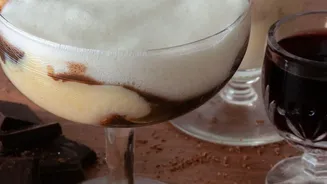
The right beverage can elevate your desserts from simple treats to a gourmet experience. The general rule is to ensure your drink is as sweet as, or slightly sweeter than, the dessert itself. For chocolate-heavy desserts like fudgy brownies or molten lava cakes, consider a rich port wine or a coffee-based cocktail like an Irish Coffee. Lighter, fruit-based desserts like lemon bars or fresh sorbets pair beautifully with crisp sparkling wines like Champagne or Prosecco. Creamy desserts such as cheesecake or crème brûlée are wonderful with sweet dessert wines like a Riesling or Moscato. Don’t forget non-alcoholic options; a selection of high-quality coffees, teas, and sparkling water ensures everyone has a perfect pairing.
Focus on Presentation and Flow
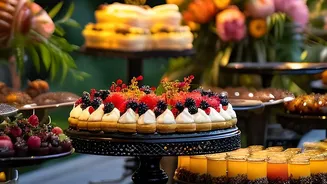
How you display the desserts is almost as important as the treats themselves. Arrange them on a buffet table using platters and cake stands of varying heights to create visual interest. Use simple, clear labels for each dessert, noting key ingredients, especially common allergens like nuts. Provide small plates, forks, and plenty of napkins so guests can easily sample the offerings. Since the format encourages mingling, ensure there is plenty of space for guests to move around the dessert table and chat. The goal is a casual, comfortable flow, not a formal, seated affair. It’s all about creating an environment where connection is the main event, and dessert is the delicious catalyst.