







Shift Your Mindset from Reactive to Proactive
For many of us, dealing with leftovers is a reactive chore. We cook a meal, pack up the excess, and then face the challenge of using it before it spoils. The real game-changer is shifting this thinking. Instead of asking, "What will I do with this extra
food?", start asking, "How much food do we actually need for this meal?". This simple change in perspective is the foundation of a less wasteful kitchen. It turns cooking from a guessing game into a deliberate act of providing just what is needed, saving you time, money, and the guilt of throwing away food. When food is wasted, so are the resources like water and energy used to produce it. Reducing food waste not only has financial benefits but also helps lessen greenhouse gas emissions from landfills.
Embrace the Power of a Plan
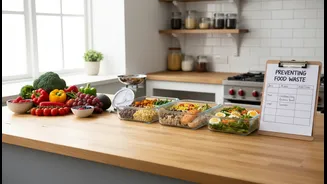
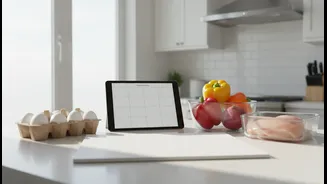
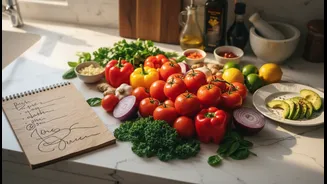
A little planning goes a long way. Before you even think about heading to the grocery store, take a moment to plan your meals for the week. Start by taking inventory of what you already have in your pantry, fridge, and freezer. Build your meal plan around ingredients that need to be used up first. When you have a clear plan, you can create a highly specific shopping list. Instead of buying a full bunch of coriander when a recipe only needs a garnish, you can plan another meal that uses the rest of it. This prevents the slow decay of unused produce in your crisper drawer and ensures every item you buy has a purpose.
Master the Art of Portion Control
One of the most direct ways to prevent leftovers is to cook the right amount of food. This can feel tricky, but there are simple techniques to help. If you’re cooking rice or pasta, measure it out per person before cooking. When preparing a meal, aim to serve smaller portions initially; it's always easy to go back for seconds if someone is still hungry. Using smaller plates and bowls can also psychologically help, as they make a reasonable portion look more satisfying. Over time, you’ll get a better feel for how much your household actually consumes, allowing you to adjust recipes and cook quantities with confidence.
Shop Smarter, Not Just Bigger
Grocery stores are designed to make you buy more, with promotions and bulk deals at every turn. While buying in bulk can be economical, it only saves money if you actually use all the food before it spoils. Be realistic about your consumption habits. If you live alone, a giant bag of spinach might not be the best choice, even if it’s on sale. Whenever possible, buy loose produce so you can get the exact quantity you need. Being a mindful shopper means resisting the impulse to overbuy and sticking to your well-thought-out list. This discipline in the store is a crucial step in preventing waste at home.
When Leftovers (Still) Happen
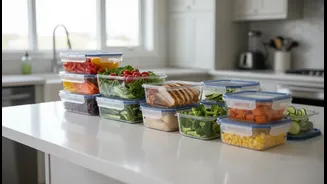
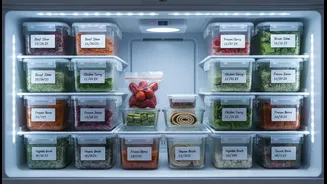
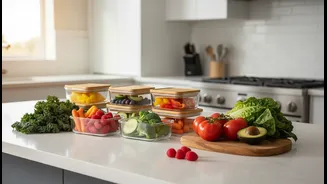
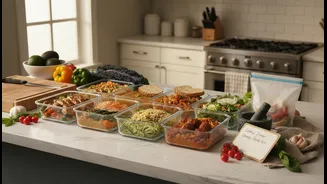
Even with the best planning, leftovers are sometimes inevitable. The key is to make them visible and easy to use. Store leftovers in clear, labeled containers at the front of your fridge, not hidden in the back. Consider having a dedicated “eat this first” shelf. Another great strategy is to schedule a “leftover night” once a week, where you get creative and combine whatever needs to be used up. Small amounts of leftover vegetables can be thrown into a stir-fry, soup, or omelette. If you know you won't get to it within a few days, the freezer is your best friend. Freezing leftovers effectively presses the pause button, giving you a ready-made meal for a busy future night.