





The Traditional Mango Calendar
For decades, the rhythm of India's mango exports has been predictable. The season kicks off in March with early arrivals from the western and southern states. It hits its peak from April to June, when iconic varieties like the Alphonso (Hapus) from Maharashtra
and the Banganapalli from Andhra Pradesh dominate global shipments. As the monsoon arrives in the west, the focus shifts to Gujarat's Kesar mango. By late July, however, this traditional export window begins to close, leaving a gap in the market. This short, intense period created a high-pressure environment where logistical precision was paramount and the selling opportunity was strictly limited by nature's clock.
Meet the Late-Season Game Changers
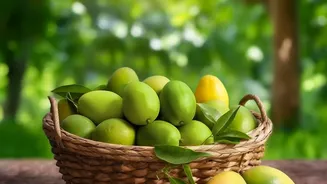
Now, a new cast of characters is extending the season well into August. Varieties that ripen later, primarily from northern India and parts of the south, are stepping into the spotlight. Among the most prominent are Neelam, Totapuri, and Chausa. Neelam, known for its rich aroma and sweet pulp, and Totapuri, valued for its tangy taste and versatility in food processing, are harvested from late June through July. These varieties from states like Karnataka and Tamil Nadu are proving ideal for filling the late-summer gap. Similarly, the exceptionally sweet Chausa from North India becomes available in July and August, offering a premium option long after the Alphonso season has concluded.
Unlocking New Opportunities and Markets
This extended availability is creating significant new commercial opportunities. The Agricultural and Processed Food Products Export Development Authority (APEDA) has been actively promoting these late-season varieties to expand India's export basket. A recent, first-ever air shipment of Neelam and Totapuri mangoes from Karnataka to the Maldives in late July highlights this strategic push. This move not only caters to existing demand in international markets beyond the peak season but also opens up new possibilities for market penetration. By supplying high-quality fruit for a longer duration, India can strengthen its position as a reliable, year-round supplier, competing more effectively with other mango-producing nations whose seasons might overlap with this new window.
A Major Boost for Farmers
The benefits of this extended season are felt most profoundly at the farm level. Previously, farmers growing late-ripening varieties had limited access to lucrative export markets and were often subject to lower prices in domestic channels. Now, by connecting Farmer Producer Companies (FPCs) directly with exporters, the system is becoming more efficient and profitable. For the recent shipment to the Maldives, farmers associated with the Prakruthimaya Farmers Producer Company in Karnataka’s Kolar district realised financial returns more than 50 percent higher than they would have in traditional domestic wholesale markets. This model of direct procurement and organised aggregation empowers local growers, reduces reliance on intermediaries, and provides a sustainable income boost.
The Future of Mango Exports
The successful promotion of late-season mangoes is more than just a temporary win; it represents a structural shift in India's agricultural export strategy. APEDA has stated its commitment to working with state governments and farmer organisations to further strengthen infrastructure and promote Indian fruits globally. The initiative also highlights growing inclusivity, with the pioneering shipment to the Maldives being handled by a newly registered woman-led export venture. As global demand for Indian mangoes continues to surge, the ability to offer a wider portfolio of varieties across an extended timeline will be crucial. This strategy ensures that the 'King of Fruits' can reign over international markets for more than just a few months a year.