





Manage Your Visual Expectations
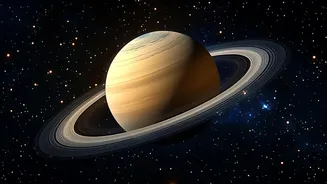
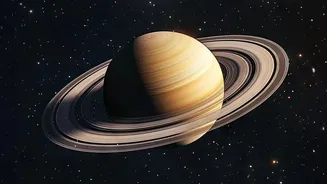
The first thing to understand is that the universe doesn't always look like it does in pictures from the Hubble Space Telescope. Those images are often the result of long exposures and colour enhancements. Through a telescope eyepiece, distant galaxies
may appear as faint, fuzzy patches, and planets might look like small, bright discs. The magic isn't in seeing a hyper-detailed photograph; it's in seeing the real light from an object that is thousands or millions of light-years away. Appreciating this distinction will transform your experience from one of potential disappointment to one of profound connection with the cosmos.
Dress for a Different Kind of Cold
Even on a pleasant evening, standing or sitting still for a couple of hours will make you feel much colder than you expect. Night-time temperatures, especially in desert or high-altitude locations popular for stargazing, can drop dramatically. The key is to dress in layers. Think thermal underwear, a fleece or insulated mid-layer, and a windproof outer jacket. Don't forget a warm hat, gloves, and thick socks with comfortable, closed-toe shoes. Being warm and comfortable is crucial; you can't appreciate the stars if you're shivering.
Protect Your Night Vision at All Costs
It can take your eyes 20 to 40 minutes to fully adapt to the dark, allowing you to see the faintest stars and nebulae. A single flash of white light from a phone screen or a standard flashlight can instantly ruin that adaptation for you and everyone around you, resetting the clock. This is the cardinal rule of stargazing etiquette. Use a headlamp or flashlight with a red-light mode, as red light is less disruptive to night vision. Keep your phone tucked away unless it has a special red-screen astronomy mode, and even then, use it sparingly.
Learn a Few Celestial Landmarks
You don't need to be an expert, but arriving with a little basic knowledge will enrich your tour immensely. Before you go, use a simple star map or a phone app to learn how to find a few major constellations for the current season, like Orion in the winter or the Summer Triangle. Knowing how to spot the North Star (Polaris) is another great starting point. This gives you a frame of reference, making it easier to follow along as your guide points out more complex objects. Your guide's explanations will have much more context if you can already navigate a small part of the sky on your own.
Check the Moon Phase
A big, bright full moon is beautiful, but it acts like a giant source of light pollution, washing out the dimmer stars, the Milky Way, and faint deep-sky objects. The best time for a tour focused on galaxies and nebulae is during the new moon phase, when the sky is at its darkest. If your tour happens to be during a fuller moon, don't worry—it’s a fantastic opportunity to see incredible detail on the lunar surface, like its craters and seas. Just be aware of what to expect based on the lunar calendar.
Ask Thoughtful Questions
Your guide is a passionate expert eager to share their knowledge. While 'What's that?' is a fine starting point, try to ask more specific questions. For example: 'How far away is that star cluster, and how old is it?' or 'What makes that nebula glow?' or 'Can you show us how to 'star hop' from that constellation to another?'. These kinds of questions lead to more engaging stories and deeper explanations, benefiting not just you but the entire group. The tour is an educational experience, so make the most of it.
Respect the Equipment and the Guide
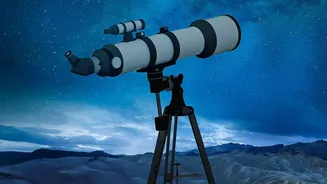
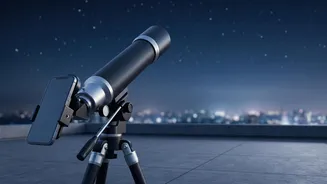
Telescopes are delicate and expensive instruments that have been carefully aligned by your guide. Never touch the telescope or its eyepiece unless you are explicitly invited to do so. Leaning on it can knock it out of alignment, and touching the glass can leave smudges that ruin the view for everyone. Listen carefully to the guide's instructions on how to approach the eyepiece. Also, keep your voice down to allow others to enjoy the quiet awe of the night sky. A little reverence goes a long way in a shared experience like this.