



The Soul of the Machine
For decades, the heart of a Ferrari has been its internal combustion engine (ICE). It’s more than just a motor; it’s a symphony of mechanical precision that creates an emotional driving experience unmatched by electric powertrains. Ferrari CEO Benedetto
Vigna has publicly stated that combustion engines are an “essential part of the company’s heritage” and that the brand will not force its clients into a single technological solution. This stance puts Ferrari in a unique position, defending its legacy against a tide of tightening emissions regulations, most notably the European Union's plan to phase out new CO2-emitting cars by 2035. While the company is indeed developing its first fully electric model, it is simultaneously investing heavily in a strategy that could allow its famous engines to roar for years to come.
A Fuel for the Future?
The key to Ferrari's strategy lies in alternative, carbon-neutral fuels—specifically biofuels and synthetic e-fuels. These are liquid fuels designed to work in conventional petrol engines but are produced in a way that is theoretically carbon-neutral. E-fuels, for example, are created by synthesizing captured CO2 from the atmosphere with hydrogen produced using renewable energy. When burned, they release carbon, but it's the same carbon that was initially removed from the air, creating a closed loop. Ferrari has confirmed successful tests with these fuels, with Vigna noting that the “engine performs very well. Nothing changes.” This is a crucial point, as it suggests the classic Ferrari performance and sound can be preserved while meeting future environmental standards.
Navigating the Electric Shift
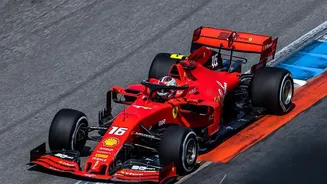
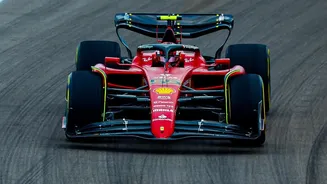
Ferrari’s exploration of e-fuels is not happening in a vacuum. It is a direct response to a potential loophole in the EU's 2035 regulations, which may permit the sale of new ICE vehicles if they run exclusively on carbon-neutral fuels. This exemption, championed by several countries and auto manufacturers, offers a lifeline for high-performance brands like Ferrari and Porsche. The technology is also getting a major push from motorsports. Formula 1, a crucial development ground for Ferrari, is set to mandate 100% sustainable fuels by 2026. Ferrari is working with partners to develop these fuels for the track, with the long-held tradition that racing technology eventually migrates to road cars. However, e-fuels face significant hurdles, including high production costs and questions about scalability, with some critics arguing they will remain a costly niche solution.
A Three-Pronged Approach
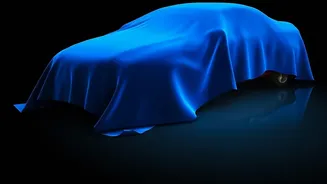
Rather than betting on a single winner, Ferrari is pursuing a diversified powertrain strategy. The company's roadmap for 2030 outlines a balanced lineup: 40% will be pure internal combustion (potentially powered by e-fuels), 40% will be hybrids, and 20% will be fully electric. This marks a slight revision from earlier plans, increasing the share of combustion engines and reflecting a flexible response to market demands. The brand has already found success with hybrids like the SF90 Stradale and 296 GTB. Meanwhile, its first EV, reportedly named 'Luce', has already sold out its initial production run despite some criticism, proving there is demand for an electric Prancing Horse. By investing in all three streams—combustion, hybrid, and electric—Ferrari is building a resilient strategy that honors its past while adapting to the future, aiming for overall carbon neutrality as a company by 2030.