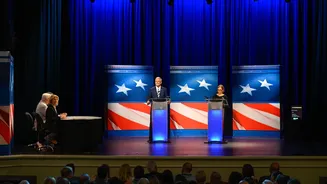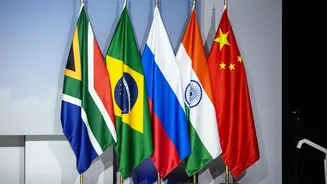





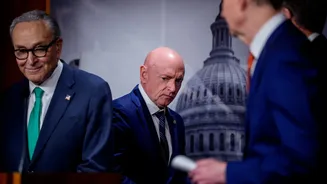
The dust has settled on the US midterm elections, shifting the political landscape in Washington. For New Delhi, the focus now turns to what this new reality means for the crucial India-US economic relationship and its most pressing questions.
A New Political Map in Washington
The 2026
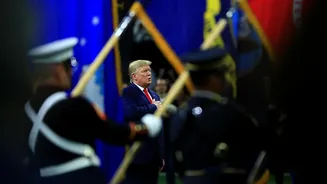
US midterm elections have delivered a significant rebuke to President Donald Trump, with the Democratic Party reportedly winning control of both the House and the Senate. This shift creates a new dynamic for US trade policy. While the President retains significant executive power on trade, a Democrat-controlled Congress means more oversight and potential roadblocks for unilaterally imposed tariffs. Indian officials have expressed cautious optimism, viewing the result as a development that could ease some trade pressure and provide New Delhi with more breathing room in negotiations. However, experts also warn of new uncertainties in an already complex relationship, noting that a politically bruised President might be incentivised to seek a quick foreign policy 'win', potentially increasing pressure on India to finalize a trade deal.
The Persistent Question of Tariffs
For Indian exporters, the core issue remains tariffs. Despite the election outcome, analysts believe the fundamental protectionist stance in Washington is unlikely to vanish. Economic nationalism now has bipartisan favour, with both parties keen on protecting domestic manufacturing. President Trump still holds several unilateral tools, including tariffs under Section 301 and Section 232 investigations, which do not require Congressional approval. Furthermore, the Lindsey O. Graham Sanctioning Russia and Iran Act of 2026, which received bipartisan support, gives the President the authority to impose levies of up to 100% on major buyers of Russian oil, a group that includes India. While an executive waiver is currently in place, its permanence is not guaranteed. Therefore, while the threat of sudden, sweeping tariffs may have receded, the risk of targeted duties remains a significant concern for India.
A Trade Deal in the Balance
Negotiations for an India-US trade deal have been ongoing, with officials on both sides suggesting an agreement is close. The midterm results could act as an accelerator. Some experts argue that President Trump, seeking a victory, might push harder to close a deal, potentially offering concessions. Conversely, this pressure could also manifest as tougher negotiating terms, as Washington may push for greater access to Indian markets for its agricultural and industrial goods. The Democratic sweep gives Indian negotiators more leverage, reducing the pressure to accept an unfavourable pact. India's primary goal remains securing a competitive advantage over other exporting nations through lower tariffs, and New Delhi is expected to hold firm until those terms are met.
The Future of Strategic Partnerships
Beyond tariffs, the economic relationship is anchored in broader strategic initiatives like the Quad and the Indo-Pacific Economic Framework for Prosperity (IPEF). IPEF, which includes India, aims to advance resilience, sustainability, and fair economic growth among its 14 partner nations. While a new Congress might scrutinise such agreements more closely, the underlying strategic consensus on countering China's influence and building resilient supply chains is largely bipartisan. The 'friendshoring' trend—where US companies diversify supply chains away from China and toward friendly nations like India—is expected to continue. New Delhi will be watching closely to see how the new administration's priorities affect the momentum of these initiatives, which are critical for longterm economic alignment.