

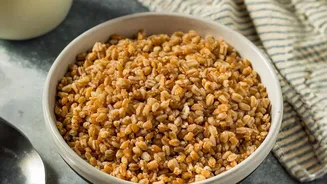
Teff: The Tiny Grain with a Mighty Punch
Teff is the smallest grain in the world, but it packs a serious nutritional punch. Indigenous to Ethiopia, this grain is a staple used to make injera, a spongy, slightly sour flatbread. With a mild, nutty flavour, teff is incredibly versatile. It's rich
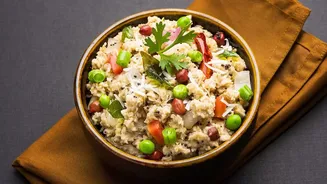
in protein, fibre, iron, and calcium, making it a fantastic addition to any diet. Because it's gluten-free, it's also a great choice for those with gluten sensitivities. The grain's high fibre content can help with blood sugar control, and it provides a complete set of essential amino acids, which is rare for plant-based foods. How to use it: You can cook whole teff grains and use them as a base for salads or a side dish, much like you would use quinoa or rice. For a simple start, try making a breakfast porridge by simmering one part teff with four parts water or milk for about 15-20 minutes until it thickens. For those familiar with Indian cooking, teff flour can be used to make a gluten-free dosa; its fermentation process is similar to that of traditional dosa batter. Its earthy taste pairs well with both sweet and savoury toppings.
Sorghum: The Chewy and Versatile Staple
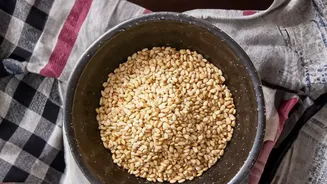
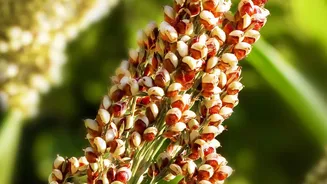
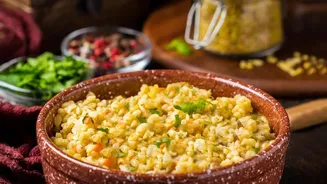
Sorghum, known as jowar in many parts of India, has a deep-rooted history in Ethiopian cuisine as well. This hardy, drought-resistant grain has a wonderfully chewy texture and a neutral, slightly sweet flavour that makes it adaptable to countless recipes. Like teff, sorghum is gluten-free and can be used as a whole grain or ground into flour. It is a great source of plant-based protein and fibre, and it can be used to make everything from hearty grain bowls to baked goods like bread and muffins. How to use it: Whole grain sorghum can be cooked on the stovetop. Simply combine one cup of sorghum with three cups of water, bring it to a boil, then simmer for about 45-55 minutes until tender and chewy. Use the cooked grains as a base for a Mediterranean-style salad with fresh vegetables and herbs, or add them to soups and stews in place of barley for a satisfying texture. Sorghum flour is an excellent thickening agent for sauces and curries. You can also try making a simple sorghum pilaf by sautéing mushrooms, onions, and garlic, then tossing them with cooked sorghum for a quick and wholesome meal.
Barley: The Nutty and Comforting Classic
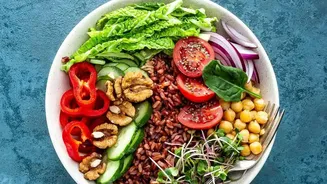
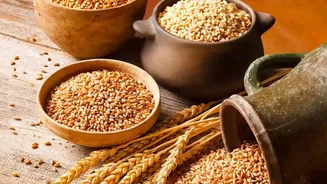
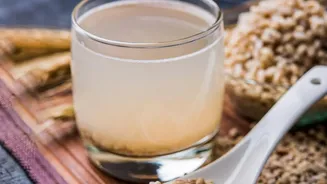
While familiar in many parts of the world, barley holds a special place in Ethiopian food culture, especially in the highlands. It's used to make a variety of traditional foods, from breads and porridges to a local beer called tella. Ethiopian barley often has a rich, earthy, and nutty flavour, particularly when roasted. This roasted barley, known as 'kollo', is a popular, crunchy snack. Barley is celebrated not just for its comforting taste but also for its health benefits, including being a good source of fibre. How to use it: Barley is a fantastic addition to soups and stews, lending a creamy texture and nutty taste. It has a slightly chewy consistency similar to brown rice. For a simple dish, cook barley and use it as a base for a grain bowl, or mix it into a vegetable stir-fry. It pairs well with both meats and vegetables. In an Indian context, you can easily substitute barley for rice in a vegetable pulao or use it to make a comforting 'khichdi'. Its mild flavour absorbs spices beautifully, making it an excellent canvas for experimenting with different masalas. Hulled barley is considered more nutritious than the more common pearled variety as it retains its bran and germ.