




A Torrent of Rock and Ice
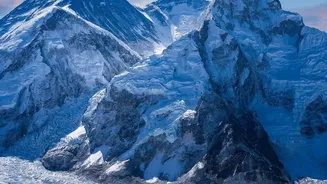
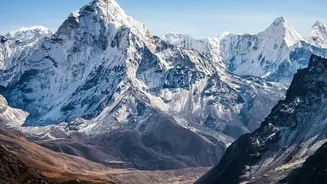
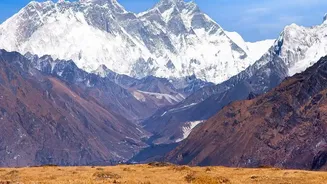
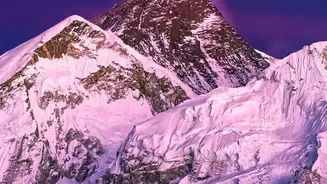
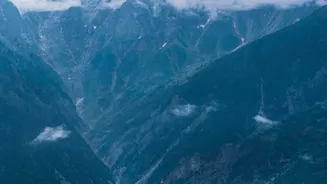
In late August 2026, a massive section of rock and ice broke away from a mountain slope on the Nepal-China border. This was not a typical landslide. An estimated 110 million cubic metres of material collapsed, triggering a catastrophic flood of water,
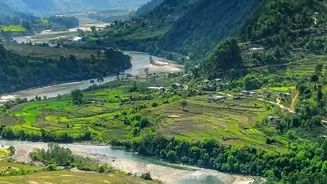
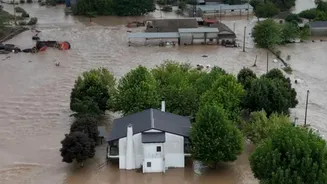
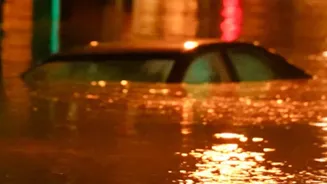
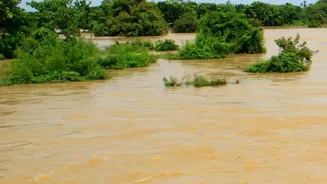
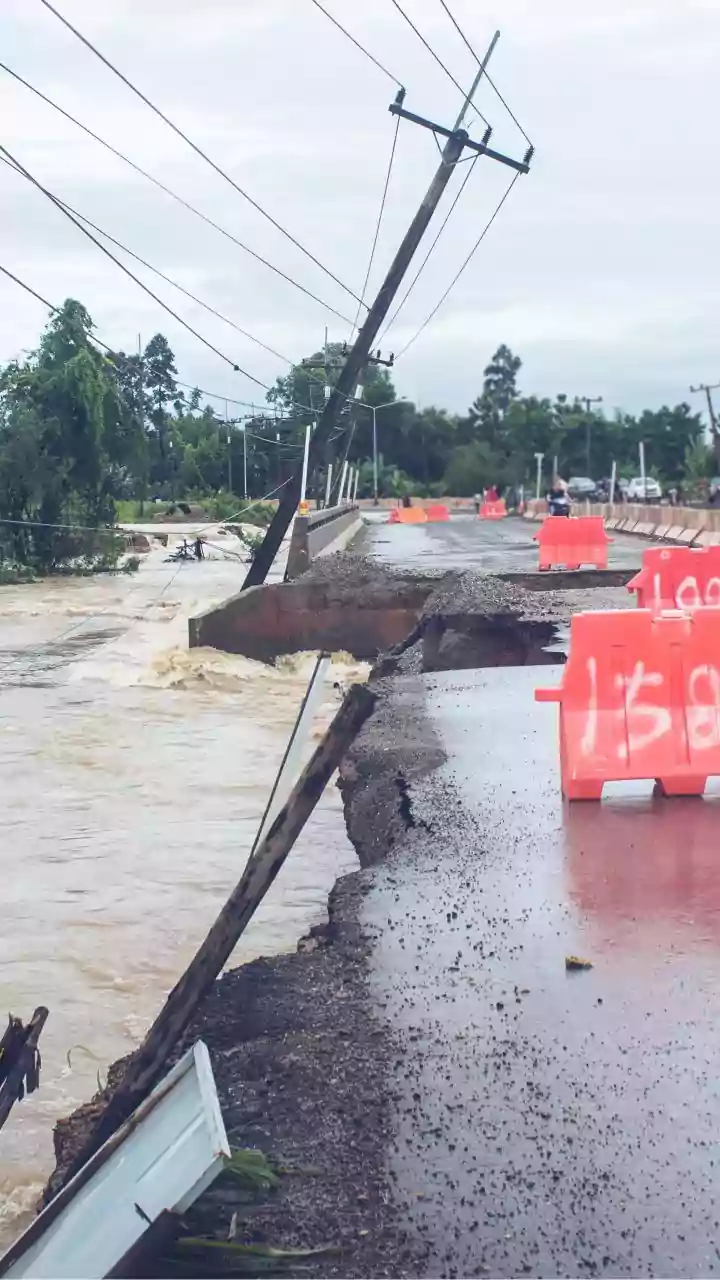
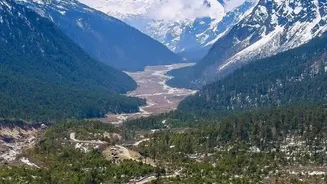
ice, and debris that surged through river valleys at immense speed. The torrent swept through communities along the Trishuli and Bhotekoshi river corridors, destroying homes, bridges, and critical infrastructure like hydropower plants, and leading to a tragic loss of life with over a thousand killed and thousands more missing. The initial event was so powerful it registered as a significant seismic event, but the danger didn't end there, as debris blocked rivers, creating new temporary lakes that posed a secondary threat of bursting.
The Unseen Culprit: Thawing Permafrost
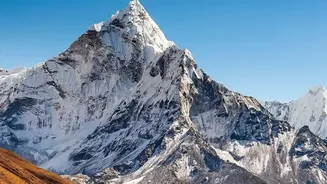
While melting glaciers are a well-known effect of climate change, a less visible but equally dangerous factor is the thawing of permafrost. Permafrost is ground—soil, rock, and sediment—that remains frozen for at least two consecutive years. In the high Himalayas, this frozen ground acts like a glue, binding together fractured rock and stabilizing steep slopes. However, the region is warming at roughly twice the global average. Recent analysis shows that unusually warm conditions, including the warmest July and August on record locally, preceded the disaster. This prolonged heat causes the freezing line to move higher up the mountains, thawing the permafrost and weakening the structural integrity of the rock walls, making catastrophic collapses more likely.
Glaciers in Retreat, Risks on the Rise
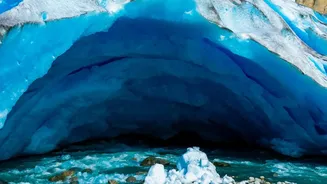
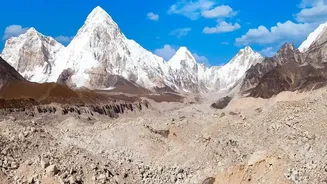
The rapid retreat of Himalayan glaciers is another critical piece of the puzzle. As glaciers shrink, they stop providing support to the adjacent rock walls, further destabilizing them. Think of it as removing a buttress from an old wall. The meltwater itself can also seep into rock fractures, increasing water pressure and weakening the rock from within. While this specific disaster was triggered by a rock and ice avalanche rather than a traditional Glacial Lake Outburst Flood (GLOF), the underlying mechanics are related. The warming that melts glaciers also creates the conditions for GLOFs, where meltwater forms vast lakes behind unstable dams of rock and ice, posing a constant threat to downstream communities across the region.
A Warning for the Entire Region
This catastrophe is not an isolated Nepalese problem; it is a grave warning for the entire Hindu Kush Himalayan region, including India. The same forces at play—warming temperatures, retreating glaciers, and thawing permafrost—are active across the mountain range. States like Uttarakhand and Himachal Pradesh have faced similar, albeit smaller-scale, disasters in recent years. The rivers that sustain billions of people in South Asia originate in these mountains, and their stability is now in question. Disasters are becoming cascading events, where one failure triggers a chain reaction of landslides, river blockages, and floods that do not respect international borders, highlighting the urgent need for cross-border collaboration on monitoring and early-warning systems.