

The Strategic Push for E20 Fuel
At the heart of this discussion is India's Ethanol Blended Petrol (EBP) Programme. The current standard, E20, is petrol blended with 20% ethanol. The government has aggressively pursued this policy for several key reasons. Primarily, it helps reduce the country's
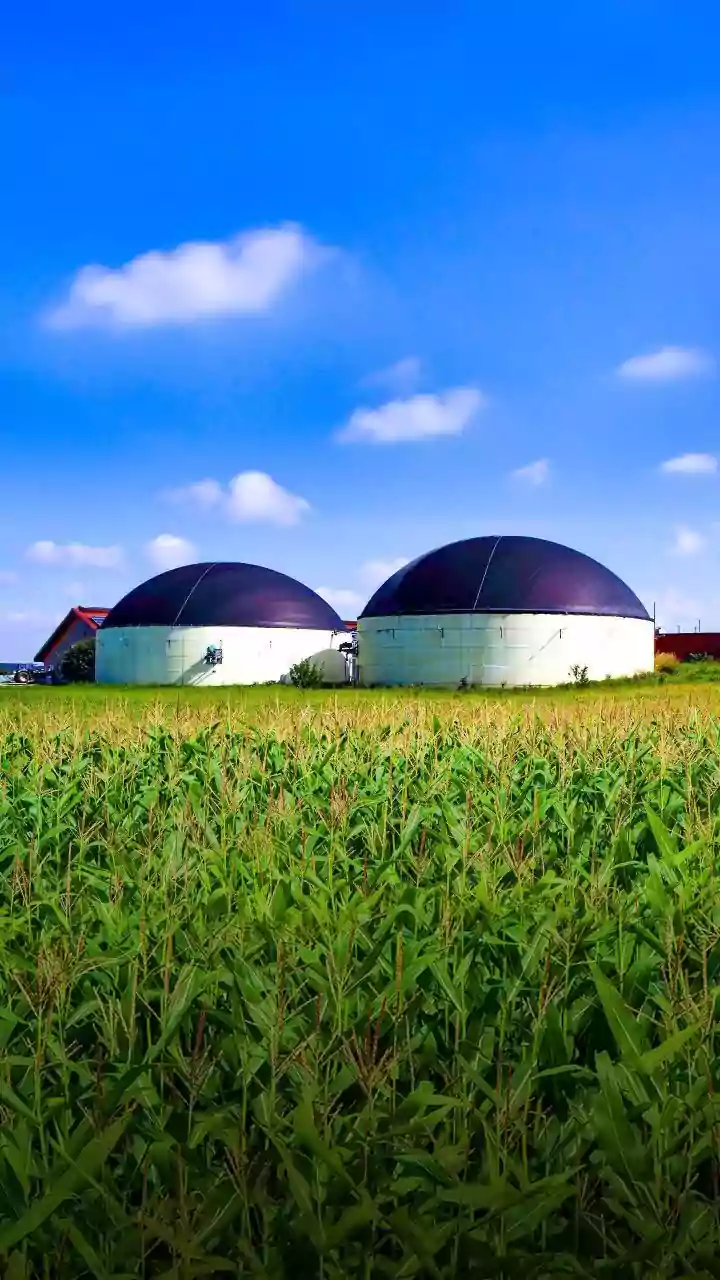
heavy reliance on imported crude oil, which currently meets nearly 88% of its needs. This saves valuable foreign exchange—over ₹1.90 lakh crore since 2014—and provides a buffer against volatile global oil prices. Secondly, it offers a significant environmental benefit by lowering carbon emissions. Finally, the programme creates a stable, domestic market for ethanol, produced from feedstocks like sugarcane and maize, thereby boosting the income of farmers and strengthening the rural economy. India successfully achieved its 20% blending target in 2025-26, a full five years ahead of its original 2030 schedule.
Where Did Rollback Rumours Come From?
The conversation around a potential rollback stems from genuine consumer concerns and public debate. Many vehicle owners, particularly those with older models (pre-2023), have reported issues like decreased mileage and expressed fears about long-term engine health. Acknowledging these concerns, India's Chief Economic Adviser, V. Anantha Nageswaran, co-authored an opinion piece in August 2026 suggesting that making E10 available alongside E20 could calm public anxiety. This was the first time a high-ranking official publicly floated the idea of offering a choice. Following this, reports emerged of preliminary discussions between the government and oil marketing companies (OMCs) about the feasibility of reintroducing E10, perhaps through premium fuel variants to avoid a massive infrastructure overhaul. However, these were just exploratory talks, and no policy change was decided.
The Government's Unwavering Stance
Despite the swirling rumours, the government's official position remains firm. In July 2026, Petroleum Minister Hardeep Singh Puri emphatically ruled out any rollback, stating that a return to lower blends was "out of the question." He argued that the push is always towards superior, cleaner technology, not regressing to older standards. The ministry has repeatedly stated that E20 fuel is scientifically validated and safe, with extensive testing done in collaboration with the automobile industry. Officials argue that maintaining multiple fuel grades like E10 and E20 nationwide would create significant logistical complexities and increase costs for OMCs. More recently, after the BPCL chairman's comments on the feasibility of E10 were misconstrued, the petroleum ministry and the company itself quickly clarified that there are no plans to replace or reverse the E20 mandate.
What Does This Mean for Your Vehicle?
For owners of newer vehicles, there is little cause for concern. All vehicles manufactured in India since April 2023 are designed to be fully E20 compliant. For older vehicles, the situation is more nuanced. While auto manufacturers state that older cars can run on E20, they acknowledge a potential drop in fuel efficiency of 3-5%. However, both the government and industry bodies like the Federation of Automobile Dealers Associations (FADA) have asserted that there is no widespread, verified evidence of E20 causing engine damage or abnormal wear and tear. Minister Hardeep Singh Puri has pointed out that millions of vehicles have been running on E15+ and E20 fuels for years without systemic issues. If you own an older vehicle and have concerns, the best course of action is to consult your car's manual or the manufacturer's official website.
The Road Ahead: E20 and Beyond
The government’s path forward is clear: the E20 blend is here to stay and forms the foundation of its future energy strategy. The policy is seen as a crucial step towards 'Atmanirbhar Bharat' (self-reliant India) in the energy sector. While discussions about providing E10 as a niche option for older vehicles might continue behind the scenes, the national mandate remains E20. The government is even looking ahead, with plans for higher blends like E25 and E30, though officials have clarified these will only be pursued after further extensive scientific study and stakeholder consultation. The current focus is on solidifying the E20 ecosystem, ensuring fuel quality, and educating consumers. For now, vehicle owners can expect E20 to be the standard petrol available at pumps across the country.