





Beyond the Basic Plank
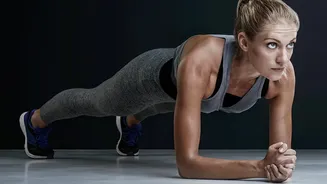
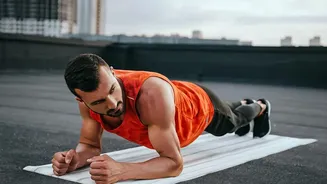
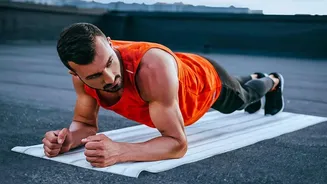
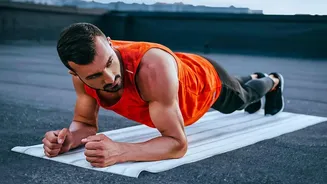
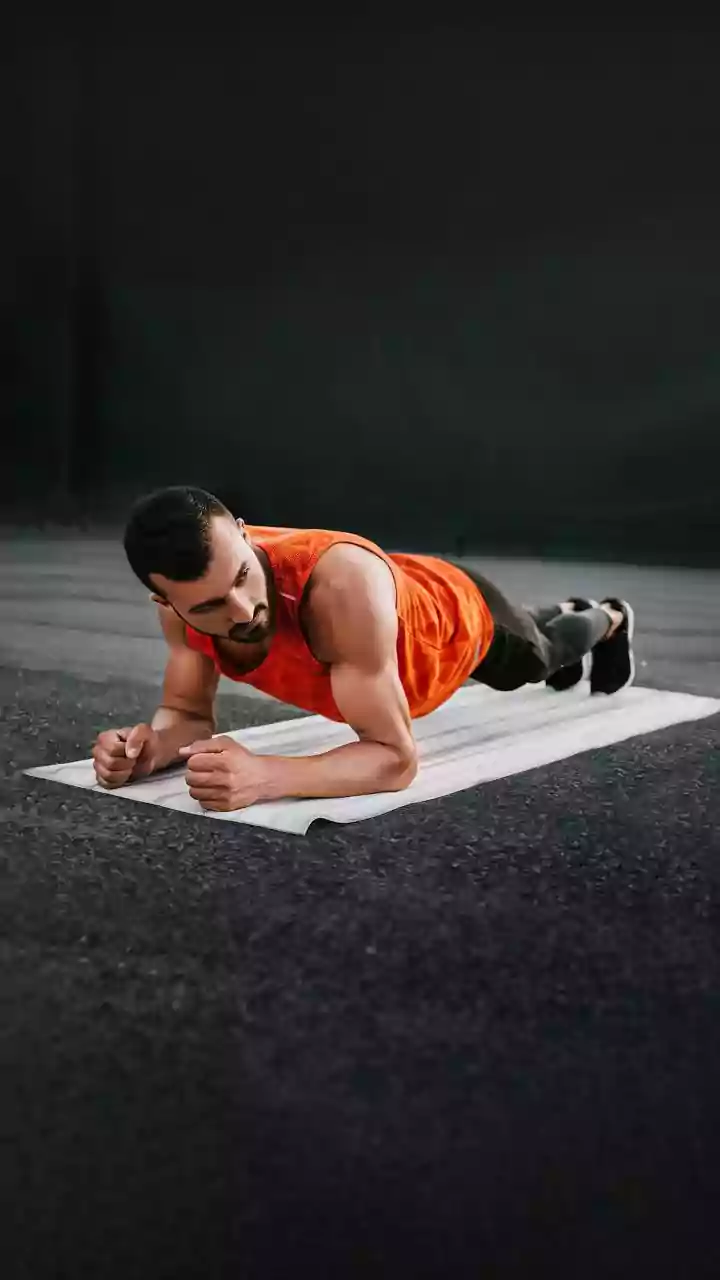
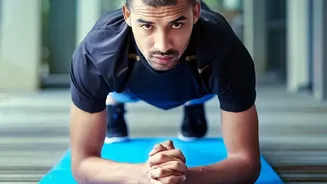
For years, the standard plank has been the go-to exercise for anyone looking to build a stronger core. By holding your body in a straight line, you engage multiple muscles to resist gravity, primarily challenging what’s known as anti-extension—your core’s
ability to prevent your lower back from arching. While this is incredibly valuable, it mostly happens in one direction. Most traditional gym exercises, from squats and lunges to bicep curls, operate in this forward-and-backward dimension, known as the sagittal plane. However, our bodies don't live in a single dimension. We twist, turn, and bend from side to side all day long. Relying solely on one type of plank leaves significant gaps in our core’s functional strength.
Understanding the Three Planes of Motion
To grasp why multi-planar movements are crucial, it helps to think of the body moving through three imaginary sheets of glass. The first is the sagittal plane, which divides the body into left and right halves; this is for forward and backward movements like walking or squatting. The second is the frontal plane, which divides the body into front and back halves; this governs side-to-side movements like a side shuffle or a jumping jack. The third is the transverse plane, which divides the body into top and bottom halves; this is where all rotational or twisting movements occur, like swinging a golf club or looking over your shoulder. Life requires us to move through all three planes constantly, often at the same time. Therefore, a complete training program should prepare our bodies for this three-dimensional reality.
Your Core's Real Job: 360-Degree Stability
The core is more than just the six-pack muscles (rectus abdominis). It’s a complex network of muscles—including the obliques, transverse abdominis, and lower back extensors—that wrap around your entire midsection. Its primary job is to stabilize your spine and transfer force efficiently throughout your body during all kinds of movements. Training in only the sagittal plane means you’re neglecting the core's ability to resist lateral bending (frontal plane) and twisting forces (transverse plane). This can lead to muscular imbalances and increase the risk of injury, especially in the lower back, hips, and knees. Experts argue that by challenging the core from various angles, you build a more resilient and functional pillar of support.
Multi-Planar Plank Variations to Try
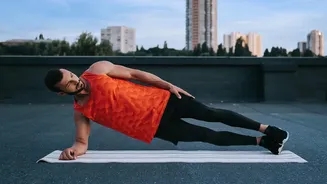
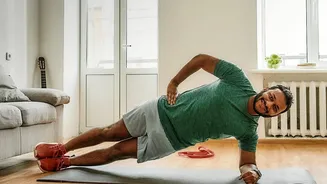
Incorporating multi-planar planks is simple. The goal is to add side-to-side and rotational challenges to the standard plank. Here are a few examples to get you started: Frontal Plane (Side-to-Side Stability): Start with a Side Plank. Balance on your forearm with your body in a straight line from head to feet. To make it dynamic, add hip dips by lowering and lifting your hips. This directly challenges your ability to resist bending sideways. Transverse Plane (Rotational Stability): From a standard high plank position (on your hands), try Plank with Shoulder Taps. Keeping your hips as still as possible, lift one hand to tap the opposite shoulder. Another great option is the Plank Pull-Through, where you place a dumbbell or kettlebell beside you and drag it from one side of your body to the other. These movements force your core to fight against rotation. Sagittal Plane (Forward-Backward Stability): You can even enhance the standard plank in its native plane. A Rocking Plank, where you slowly shift your weight forward and backward from your toes, or a Plank with Leg Lifts, increases the anti-extension challenge.
The Benefits of a Truly Strong Core
By moving beyond the static hold and embracing multi-planar variations, you unlock a host of benefits. This approach builds a core that is not just strong, but smart and adaptable. It improves balance, coordination, and the transfer of power in athletic activities like running and swimming. More importantly, it prepares your body for the unpredictable demands of daily life, from carrying groceries to playing with your kids. A well-rounded core training program that includes movements in all three planes is one of the most effective strategies for reducing the risk of injury, improving posture, and building a foundation for lifelong movement health.