


A Nutritional Profile You Can’t Ignore
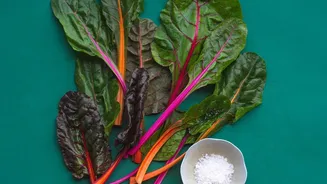
Often overlooked in favour of the earthy root, beet greens are one of the most nutrient-dense parts of the plant. They are packed with essential vitamins and minerals that are crucial for overall health. They are an excellent source of Vitamin K, vital
for bone health, and Vitamin A, which supports good vision and a strong immune system. A single 100-gram serving can provide over 300% of the recommended daily intake of Vitamin K. The leaves are also rich in Vitamin C, a powerful antioxidant that helps boost immunity. When it comes to minerals, beet greens deliver impressive amounts of potassium, magnesium, iron, and manganese, which are essential for everything from regulating blood pressure to forming red blood cells. In fact, some analyses show that beet greens contain more iron than spinach, making them a fantastic food for combating iron deficiency.
The Sustainable Choice for Modern Kitchens
In 2026, the focus on sustainable and zero-waste cooking is more than just a trend; it's becoming a way of life in many Indian households. Using beet greens is a perfect example of root-to-stem cooking, a practice that our grandmothers championed long before it became fashionable. By cooking with the leaves, you are not only getting more nutritional value from your purchase but also reducing food waste in your kitchen. This aligns perfectly with a growing consciousness among consumers who are looking for ways to make their kitchens more eco-friendly without sacrificing flavour or health. Choosing to use the entire vegetable is a simple, effective step towards a more sustainable lifestyle.
How to Select and Prepare Beet Greens
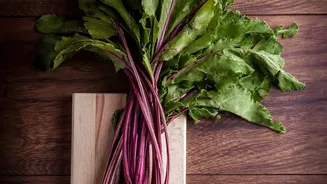
When buying beetroot, look for bunches with vibrant, fresh-looking greens attached. Avoid any that are yellowed, wilted, or slimy. Once you bring them home, it’s best to separate the leaves from the beetroots. If left attached, the leaves will continue to pull moisture and nutrients from the root. To store, wash the greens thoroughly to remove any dirt or grit. A good method is to submerge them in a bowl of cold water for a few minutes to let any sand settle at the bottom. Pat them dry, wrap them loosely in a paper towel or a cloth bag, and store them in the crisper drawer of your refrigerator. They should be used within a few days for maximum freshness.
Easy Ways to Cook with Beet Greens
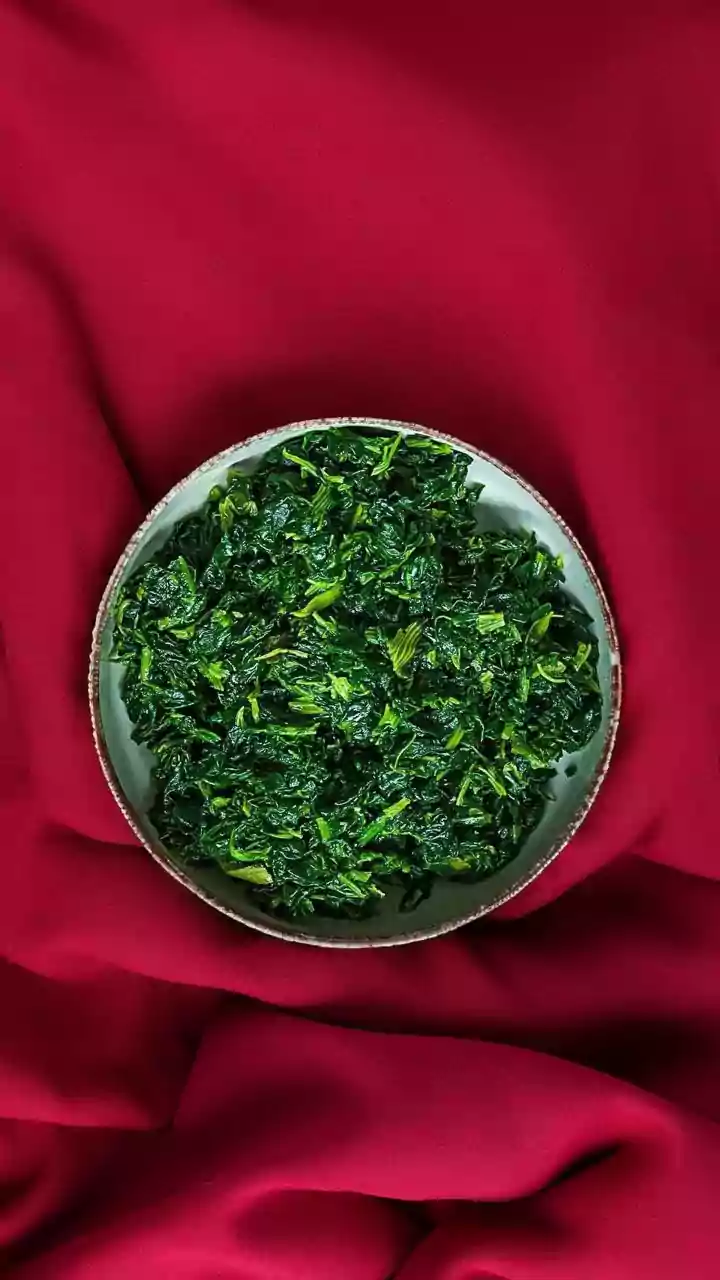
Cooking with beet greens is incredibly simple, as they can be used in much the same way as other leafy greens like palak (spinach) or methi (fenugreek). Their flavour is mild and earthy with a slight sweetness, similar to Swiss chard. The simplest way to prepare them is to make a straightforward sabzi or stir-fry. A South Indian-style 'thoran' or 'poriyal' is a popular and delicious option. This typically involves stir-frying the chopped leaves with mustard seeds, cumin seeds, dried red chillies, and freshly grated coconut. You can also add chopped onions, garlic, and a pinch of turmeric for extra flavour. The dish cooks quickly, as the leaves wilt in just a few minutes, making it a perfect side for rotis or rice.
Beyond the Basic Sabzi
The versatility of beet greens extends far beyond a simple stir-fry. You can finely chop and add them to your dal for a nutrient boost, much like you would with palak dal. Just add the chopped leaves and tender stems to the pressure cooker along with your lentils. They can also be incorporated into paratha or thepla dough for a healthy and colourful flatbread. For a quick and nutritious addition to any meal, simply sauté the greens with some garlic and a squeeze of lemon juice. You can even add them to potato dishes, like an Aloo Beet Greens Sabzi, to create a more balanced and flavourful meal. Another option is to blend them into a South Indian 'mor kootu', a flavourful yogurt-based curry.