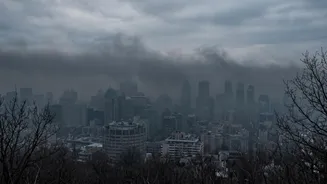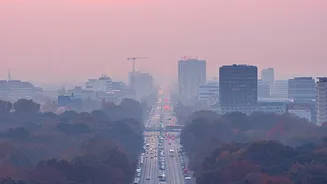








As a thick blanket of smog settles over Delhi this November, many healthy and active adults might dismiss a scratchy throat or itchy eyes. But these are more than minor annoyances; they're signs your body is under attack.
What's Hiding in the Haze?
Every November, Delhi’s air quality
plummets to hazardous levels, and this year is no different. The Air Quality Index (AQI) has consistently remained in the 'Severe' category, a level that health experts warn can affect even healthy people. The air is a toxic cocktail of pollutants, but the primary culprit is PM2.5. These are incredibly fine particulate matter, less than 2.5 micrometres in diameter, or about 30 times smaller than a human hair. They come from vehicle exhaust, industrial emissions, construction dust, and stubble burning in neighbouring states. Because they are so small and light, they stay suspended in the air for long periods and can be inhaled deep into the lungs, bypassing the body's natural filters.
The Body's Invisible Battle
When you breathe in polluted air, your body immediately mounts a defence. The nose and upper airways are lined with tiny hairs and mucus designed to trap larger particles. But PM2.5 particles are too small for this system to catch effectively. They travel all the way down into the alveoli, the tiny air sacs in your lungs where oxygen enters the bloodstream. Once there, the body identifies them as foreign invaders, triggering an inflammatory response. This is your immune system trying to protect you, but when it’s constantly activated day after day, the inflammation itself becomes a problem. This persistent, low-grade inflammation is the root cause of the irritation that even healthy individuals experience.
Why 'Healthy' Isn't an Invisibility Cloak
A strong immune system and healthy lungs are certainly advantages, but they don't provide immunity from air pollution. Think of it like a constant physical stressor. Your body has to work overtime to fight off the inflammation, repair cellular damage, and clear out the pollutants. This diverts energy and resources from other essential functions. For a healthy person, the initial effects are subtle: a persistent cough, a runny nose, or a feeling of fatigue you can't quite shake. These symptoms are a sign that your body's defences are being strained. Over time, this constant battle can weaken the respiratory system's lining, making you more susceptible to infections like bronchitis and pneumonia. The pollutants can also slip from the lungs into the bloodstream, circulating throughout the body and causing systemic inflammation that can affect the heart and brain.
Early Warning Signs to Watch For
It’s easy to blame a dry throat on dehydration or itchy eyes on screen time, but during a pollution health alert, these symptoms shouldn't be ignored. Healthy adults should be mindful of persistent irritation in the eyes, nose, and throat. A dry, hacking cough that doesn't go away is another classic sign. You might also experience unusual shortness of breath, especially during physical activities like climbing stairs or jogging, that previously felt easy. Headaches and a general sense of fatigue or fogginess can also be linked to poor air quality, as your body works harder and your brain gets slightly less oxygen.
Simple Steps for Self-Defence
While you can't control the outdoor air, you can take practical steps to reduce your exposure and support your body. The most effective measure is to wear a wellfitted N95 or FFP2 mask whenever you are outdoors, as these are designed to filter out PM2.5 particles. Try to limit strenuous outdoor exercise, especially during morning and evening hours when pollution levels often peak. At home, using an air purifier with a HEPA filter in your bedroom can create a cleanair sanctuary for sleeping. Stay hydrated to help your body flush out toxins and keep your airways moist. Eating a diet rich in antioxidants—found in fruits, vegetables, and nuts—can also help your body combat the inflammatory effects of pollution.