







Understanding the Fear
For many pets, especially cats, the carrier only appears for one reason: a trip to the veterinarian. They quickly learn to associate the sight of the carrier with the stress of being confined, a noisy car ride, and an unfamiliar place with strange smells
and sounds. This creates a powerful negative association, turning the carrier into a signal for alarm. When the carrier is hidden away in a closet or garage and only brought out for these tense moments, your pet’s fear response is perfectly logical. The goal is to rewrite this story, transforming the carrier from a predictor of stress into a normal, and even pleasant, part of their daily environment.
Make the Carrier Part of the Furniture
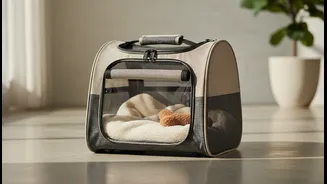
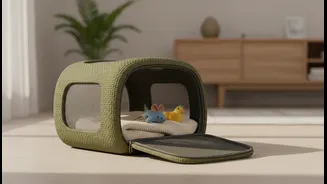
The single most effective step you can take is to leave the carrier out in your home all the time. Place it in a room where your pet already enjoys spending time, not hidden away in a corner. Leave the door open, or if possible, remove the top half so it becomes an open-air bed. This desensitizes your pet to its presence. Over time, the carrier stops being a scary object that only appears before a trip and becomes just another piece of furniture, as neutral as a bookshelf or a side table.
Create a Cozy Sanctuary
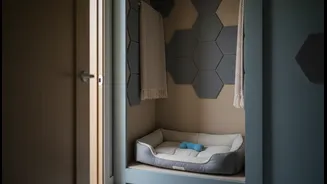
Now, make that carrier inviting. Line it with soft, familiar bedding, like a favorite blanket or an old t-shirt that smells like you. Place favorite toys, treats, or a pinch of catnip inside to encourage them to explore it on their own terms. The goal is for your pet to start voluntarily interacting with the carrier, sniffing it, and perhaps even napping in it. Using synthetic pheromone sprays, like Feliway for cats, inside the carrier about 15-20 minutes before you want them to enter can also help create a sense of calm and security.
The Power of Positive Reinforcement
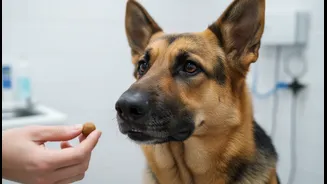
The next stage is to actively build positive associations using rewards. Start feeding your pet their meals near the carrier, then gradually move the food bowl just inside the door, and eventually, all the way to the back. This teaches them that good things happen in and around the carrier. Whenever you see your pet go near or inside the carrier, reward them with a high-value treat and quiet praise. Keep training sessions short and positive, always allowing your pet to leave if they want to. This choice empowers them and builds trust.
Practice Makes Perfect
Once your pet is comfortable eating and resting in the carrier, you can begin practicing for travel. Start by closing the door for just a second, then immediately opening it and giving a treat. Gradually increase the duration the door is closed, always at a pace your pet is comfortable with. Next, lift the carrier for a moment and set it back down, again followed by a reward. Work your way up to carrying them to another room and then back. Finally, take short car rides that don’t end at the vet; a quick trip around the block that ends with a treat back at home can do wonders to break the negative association with car travel.