






Why Small Objects Pose a Big Threat
It’s easy to underestimate a small plant saucer, a decorative tray, or a child's toy. In calm weather, they are harmless. But during the intense winds of a monsoon storm, which can exceed 60 mph, these items can be lifted and hurled with surprising force.
The principles of aerodynamics that lift an airplane can, on a smaller scale, act on a flat object like a tray, turning it into a dangerous flying disc. These wind-borne objects can shatter a neighbour's window, dent a parked car, or cause serious injury to anyone caught outside. The threat isn't just from light items; even heavier objects like potted plants and grills can be tipped over or pushed by powerful gusts. Taking a few minutes to secure them is a critical step in monsoon preparedness.
Your Balcony and Terrace Checklist
Before the next storm warning, take a thorough walk around your outdoor spaces. Look for anything that is not heavy enough to resist strong winds or isn't bolted down. Create a mental checklist of potential projectiles. This includes empty plant pots, saucers, and planters. Also, check for small, decorative items, ashtrays, and lightweight outdoor furniture like plastic chairs and small tables. Don't forget gardening tools, watering cans, children's toys, and even doormats. Barbecue grills, especially their lids, and tarps or other covers can easily catch the wind. By identifying these risks ahead of time, you can act before the weather turns.
Simple and Effective Securing Methods
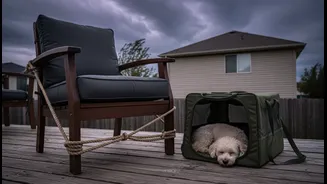
Securing your outdoor belongings doesn't require expensive equipment. The simplest and most effective method is to bring smaller items indoors. Anything that can be easily moved, like decorative lanterns, small pots, and tools, should be stored in a room or secure shed until the storm passes. For larger items that must remain outside, you have a few options. Grouping several plant pots together makes them collectively heavier and more stable. You can also weigh items down by filling large planters with soil or rocks. Tying down furniture, grills, and other large objects with durable ropes or bungee cords is another effective strategy. Ensure they are anchored to a fixed, sturdy part of the building, like a railing, and not just to each other. For balconies, consider installing transparent blinds or screens, which can block direct rain and reduce wind flow.
Beyond the Balcony: Other Hidden Dangers
The risk of flying debris extends beyond personal balconies. In a community setting, it's important to be aware of other potential hazards. Loose roofing materials, advertising banners, and construction debris can become major threats in high winds. While you may not have direct control over these, being aware of them is important. Ensure that your own property is clear of any loose debris, including stacks of firewood or leftover building materials. Also, make sure garbage and recycling bins are secured, as they can easily be blown into streets, causing traffic hazards or becoming projectiles themselves. During periods of high wind, it is safest to stay indoors and away from windows to protect yourself from both your own unsecured items and those from surrounding areas.
Make It a Seasonal Habit
The best time to secure your outdoor spaces is before the monsoon season truly begins, and certainly before a specific storm warning is issued by authorities like the India Meteorological Department (IMD). Make it a seasonal ritual to perform a safety sweep of your balconies, terraces, and gardens. Trim any dead or weak tree branches that could break off in the wind. Ensure your drains and gutters are clear to prevent waterlogging, which can add to the chaos during a storm. By integrating these safety checks into your routine, you help create a safer environment not just for your own home, but for your entire neighbourhood. A few moments of prevention can spare you and others from costly damage and potential injury.