




A Modern Twist on an Ancient Art
Gilding, the art of applying a thin layer of metal like gold, silver, or copper to a surface, has a history stretching back thousands of years, famously used to convey wealth and power in everything from Egyptian tombs to French palaces. But its contemporary
revival is less about showcasing extravagance and more about strategic elegance. Designers are increasingly turning to this ancient technique as a sophisticated tool for manipulating light. Instead of covering entire rooms in gold, they are using it with surgical precision to highlight architectural features, create subtle focal points, and bounce light into darker corners, proving that a little shimmer can go a long way.
The Science of Sheen
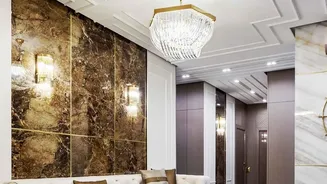
At its core, the appeal of gilding in modern design is about physics as much as aesthetics. Metallic surfaces are highly reflective, and unlike a flat coat of paint, they catch and scatter light, whether it’s the soft morning sun or the warm glow of a lamp in the evening. This reflective quality adds instant depth and movement to a room, making spaces feel brighter, more open, and more dynamic. A gilded ceiling, for example, can create a luminous, expansive feel, while a metallic finish inside a bookshelf or niche adds a surprising pocket of warmth and light. The effect is a subtle radiance that enlivens a room without the need for busy patterns or excessive decor.
Subtlety is the New Luxury
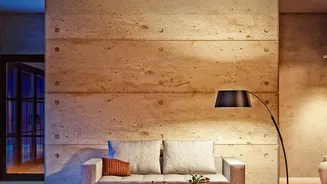
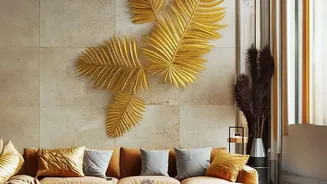
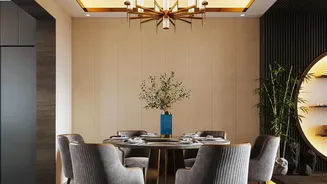
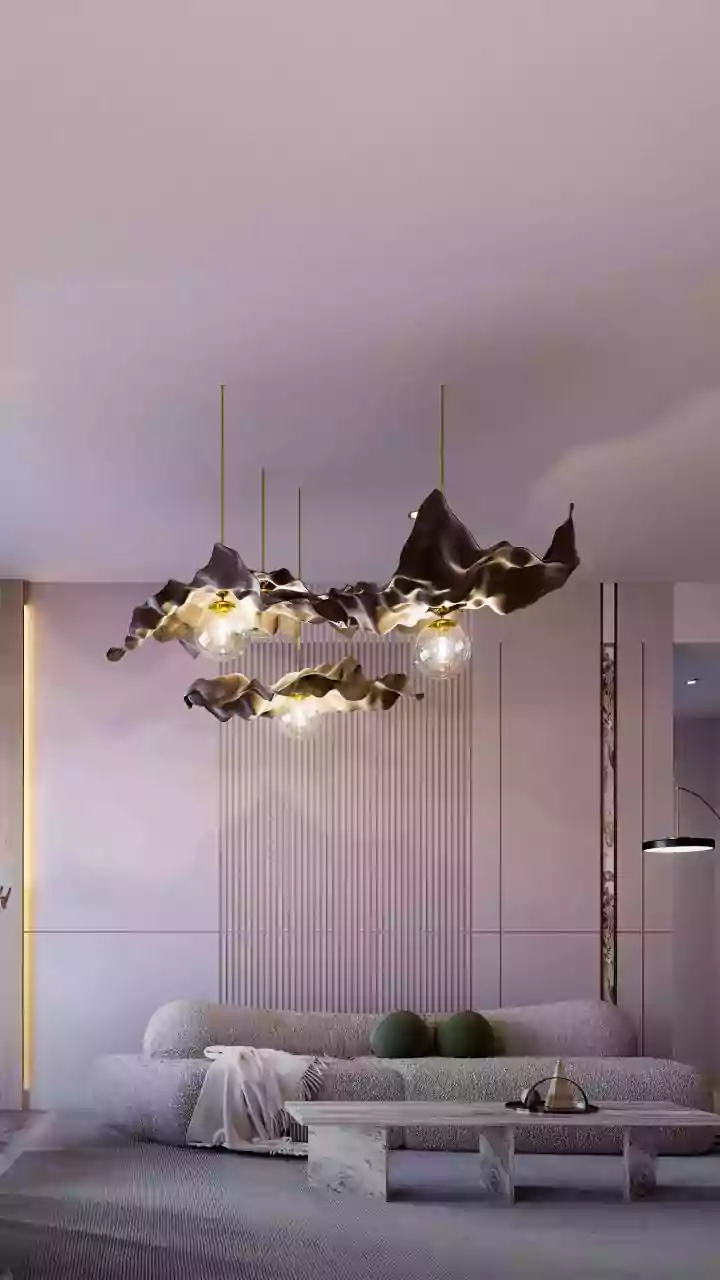
The key to this modern approach is restraint. Rather than grand, ornate applications, designers are finding power in subtlety. This might mean gilding the slender legs of a console table, the inside of a pendant light, or the edge of a door frame. These small, deliberate touches draw the eye and add a layer of sophistication. An accent wall with a metallic finish can become a room's centerpiece, changing its character as the light shifts throughout the day. This method allows the beauty of the material to shine without it becoming gaudy. It’s a move away from ornamentation for its own sake and toward a more thoughtful integration of luxurious materials. By balancing metallics with neutral colors and natural textures like wood and stone, the result feels intentional and chic, not overwhelming.
Beyond Traditional Gold
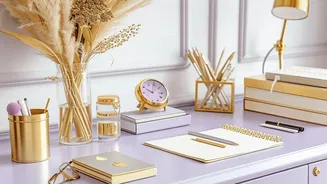
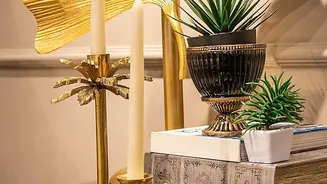
While gold leaf is the classic choice, evoking warmth and timeless style, the trend extends to a whole spectrum of metallic finishes. Silver or aluminum leaf can bring a cool, contemporary brightness to a space, making it feel sleek and expansive. Copper and bronze offer warmer, earthier tones that can add a rustic or industrial charm. Even metallic paints, which infuse reflective minerals into the formula, provide an accessible way to experiment with this effect. Each metal has a different personality and interacts with light uniquely, allowing for a tailored approach to setting a room's mood. This versatility is a major reason why designers find these finishes so useful—there is a metallic option for nearly any design aesthetic, from minimalist to bohemian.