
The Symphony of the Deep
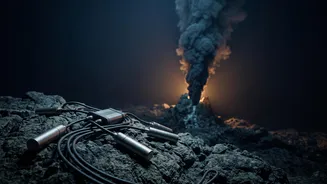
Just as a microphone picks up sound in the air, a hydrophone detects acoustic signals, or sound waves, in the ocean. For decades, scientists have deployed these underwater ears to listen to everything from whale songs to submarine activity. When it comes
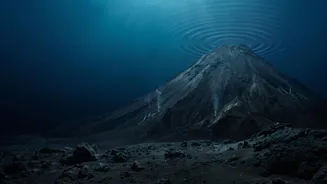
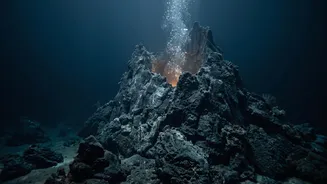
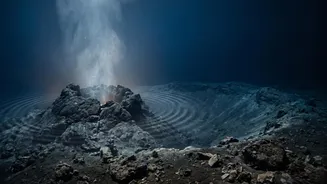
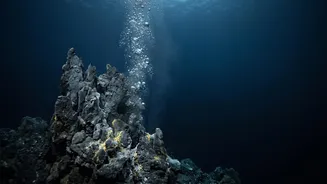
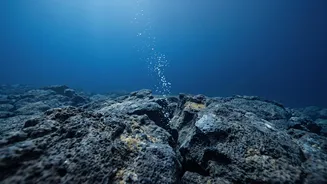
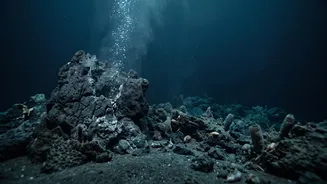
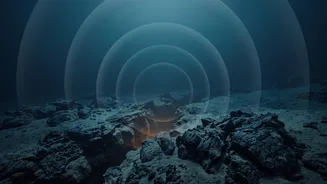
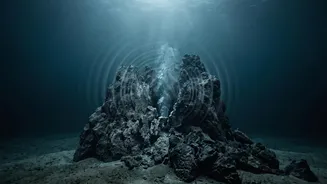
to volcanoes, the sounds are dramatic. An active submarine volcano is a noisy place, producing everything from sharp cracks and low rumbles to violent explosions as hot lava interacts with cold seawater. Seismic energy from earthquakes connected to the eruption also converts into underwater acoustic energy, creating powerful, low-frequency signals called T-waves that can travel thousands of kilometres. An isolated underwater volcano can act like a giant bell, radiating the sounds of its inner turmoil across the entire ocean.
From Noise to Notification
The critical question for scientists is how to turn this cacophony into a reliable warning. The answer lies in listening for change. Before an eruption, magma moving beneath the surface forces the surrounding rock to crack, which can alter the speed of sound waves passing through the ground. By monitoring how the speed of these sounds changes over time, researchers can get clues about magma accumulating near the surface—a potential precursor to an eruption. The most recent and compelling evidence comes from analysing the catastrophic 2022 Hunga Tonga-Hunga Ha'apai eruption. New research published in early September 2026 has provided a vital breakthrough in understanding these sounds.
A Case Study: The Tonga Eruption
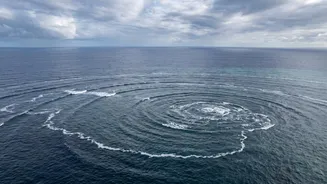
The 2022 Hunga Tonga eruption was one of the most powerful volcanic events in modern history, sending atmospheric waves around the globe and triggering devastating tsunamis. Initially, scientists struggled to pinpoint the exact cause of the most destructive waves. However, by re-analysing hydro-acoustic signals, they made a startling discovery. The loudest underwater signal was not from the initial explosion, but from the subsequent collapse of the volcano's caldera about 90 minutes after the eruption began. This massive collapse generated an enormous T-wave that was detected thousands of kilometres away. Researchers were able to precisely time this acoustic signal to 6:28 PM local time. By cross-referencing this with data from a destroyed communications tower on the island of Tongatapu, which failed at 6:45 PM, they confirmed the 17-minute travel time for the resulting tsunami.
A Race Against the Wave
This discovery is a potential game-changer for early warning systems. Sound travels through seawater at about 1.5 kilometres per second, which is significantly faster than a tsunami wave. This time difference creates a crucial window for detection. If monitoring networks could automatically recognise the unique acoustic signature of a caldera collapse, an alert could be issued before the tsunami makes landfall. This would not replace existing earthquake-based tsunami warning systems but would add a powerful new tool for the more complex and unpredictable tsunamis generated by volcanoes. Volcanic tsunamis can be caused by explosions, landslides, and caldera collapses, making them much harder to forecast than those from earthquakes alone.
Challenges on the Horizon
Despite the promise, significant hurdles remain. The ocean is a noisy environment, and distinguishing volcanic signals from shipping traffic, marine life, and other ambient sounds is a major challenge. Furthermore, monitoring the hundreds of active submarine volcanoes in the Pacific's "Ring of Fire" would require a vast, expensive, and well-maintained network of hydrophones. Many existing deep-sea hydrophone arrays were originally installed for military purposes, and their access can be restricted. However, new autonomous hydrophones are becoming cheaper and easier to deploy, offering a path toward more comprehensive global coverage.